


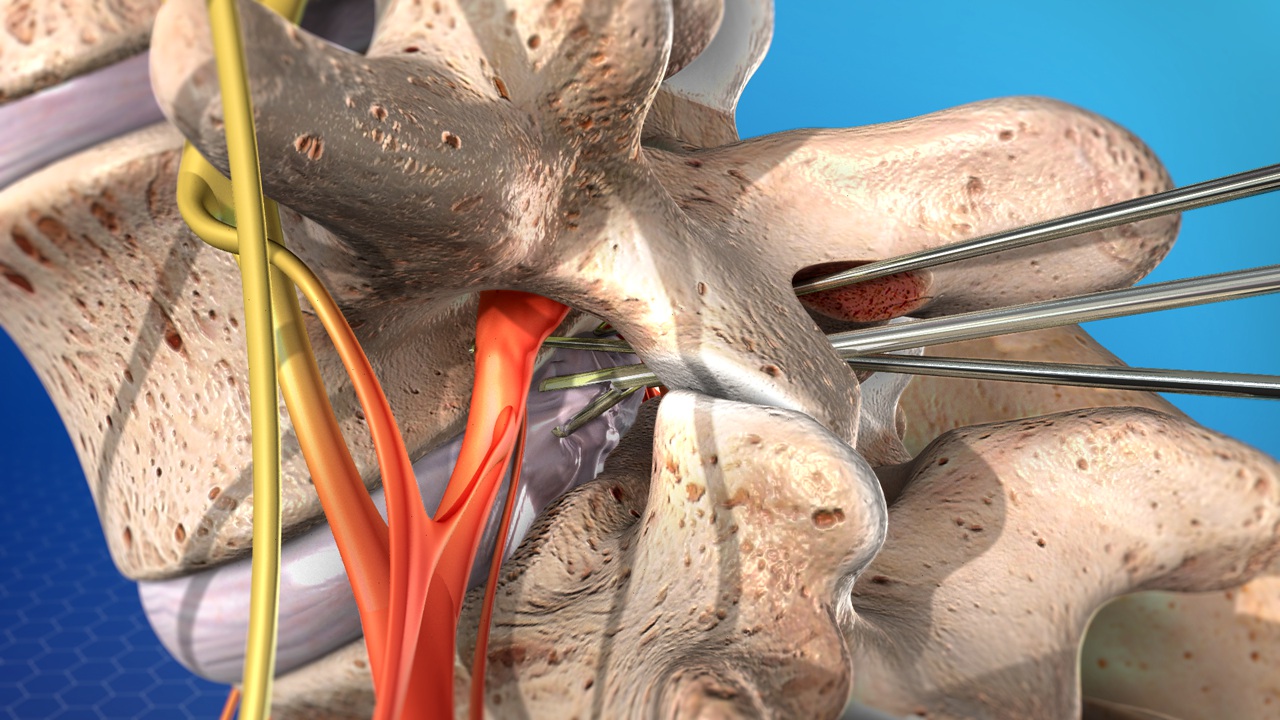
When surgical intervention is required for lumbar and cervical hernia treatment, microsurgery is currently the most reliable and…
Detailed Information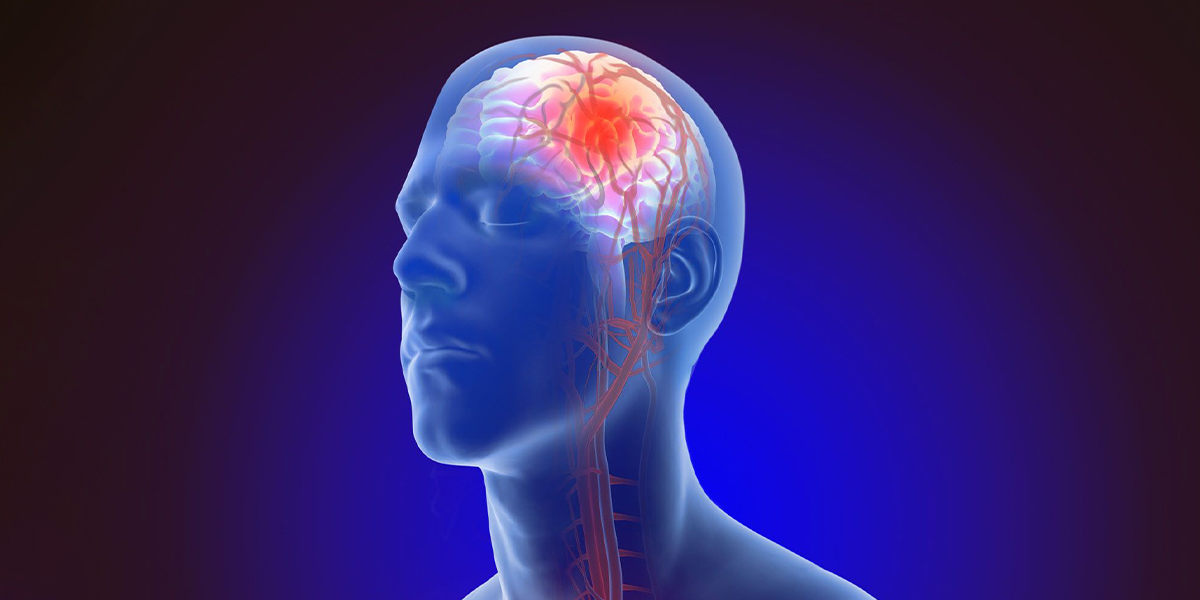
Vascular (blood vessel) structures or fluid-filled sacs in brain tissue can now be detected at much earlier stages…
Detailed Information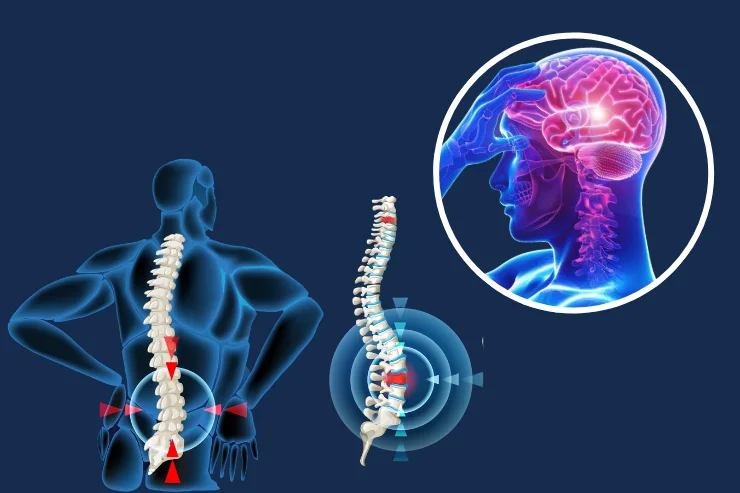
Head and spinal injuries are critical injuries that directly affect the central nervous system and can leave permanent…
Detailed Information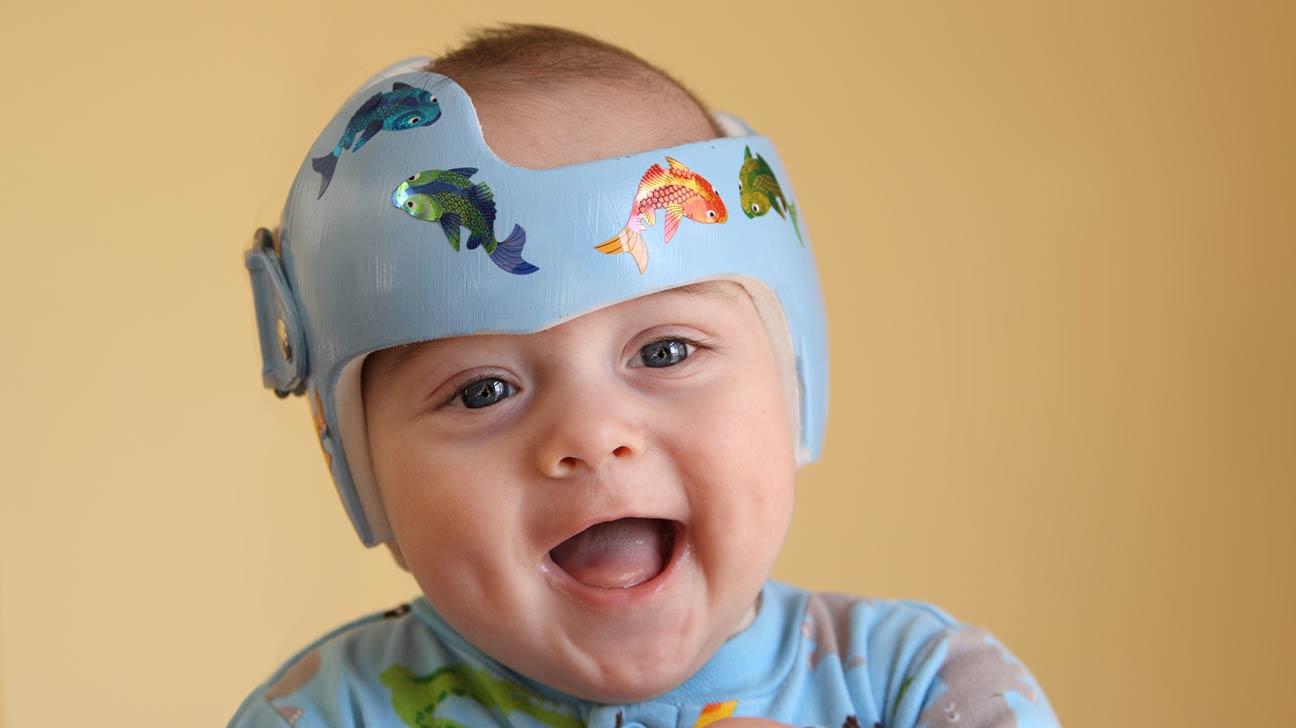
During infancy, the flexibility of the sutures, which are the points where the skull bones meet, allows the…
Detailed Information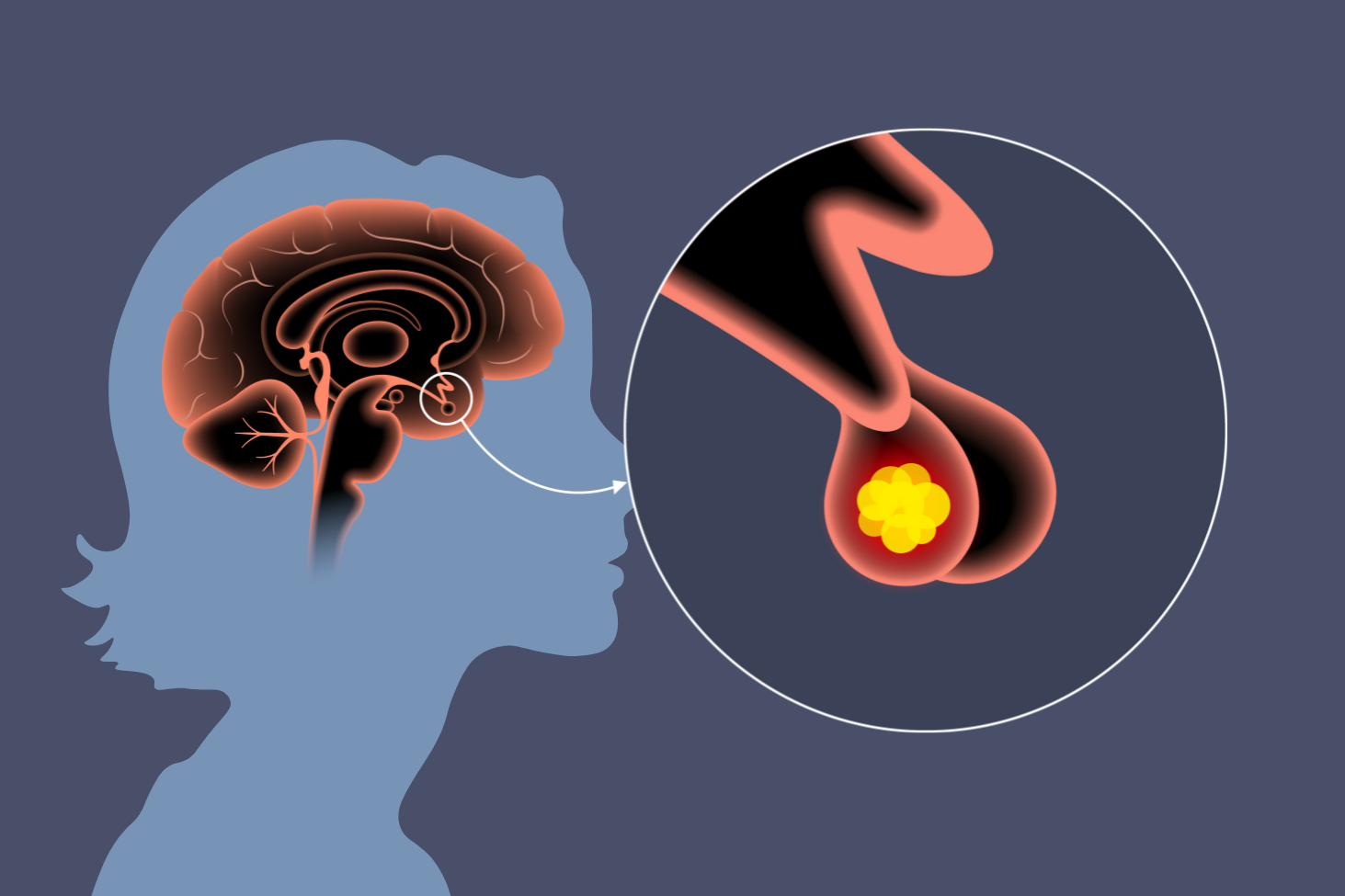
The pituitary gland is an organ located within a bone structure called the “sella turcica” (Turkish saddle) at…
Detailed Information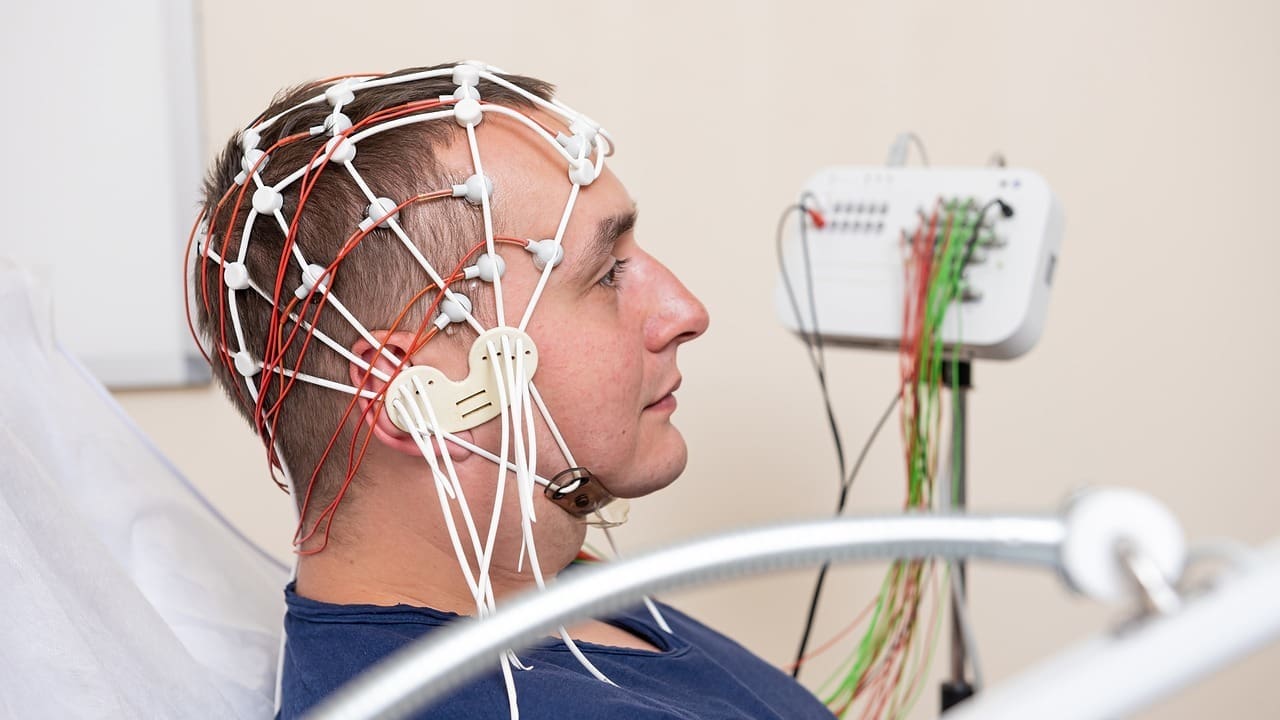
Hydrocephalus is a condition in which cerebrospinal fluid (CSF) accumulates excessively in the brain ventricles due to a…
Detailed Information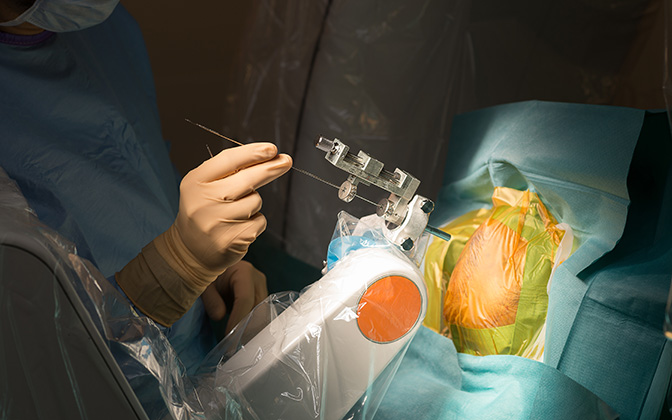
Functional brain surgery is one of the most dynamic fields of neurosurgery, aiming to treat conditions where the…
Detailed Information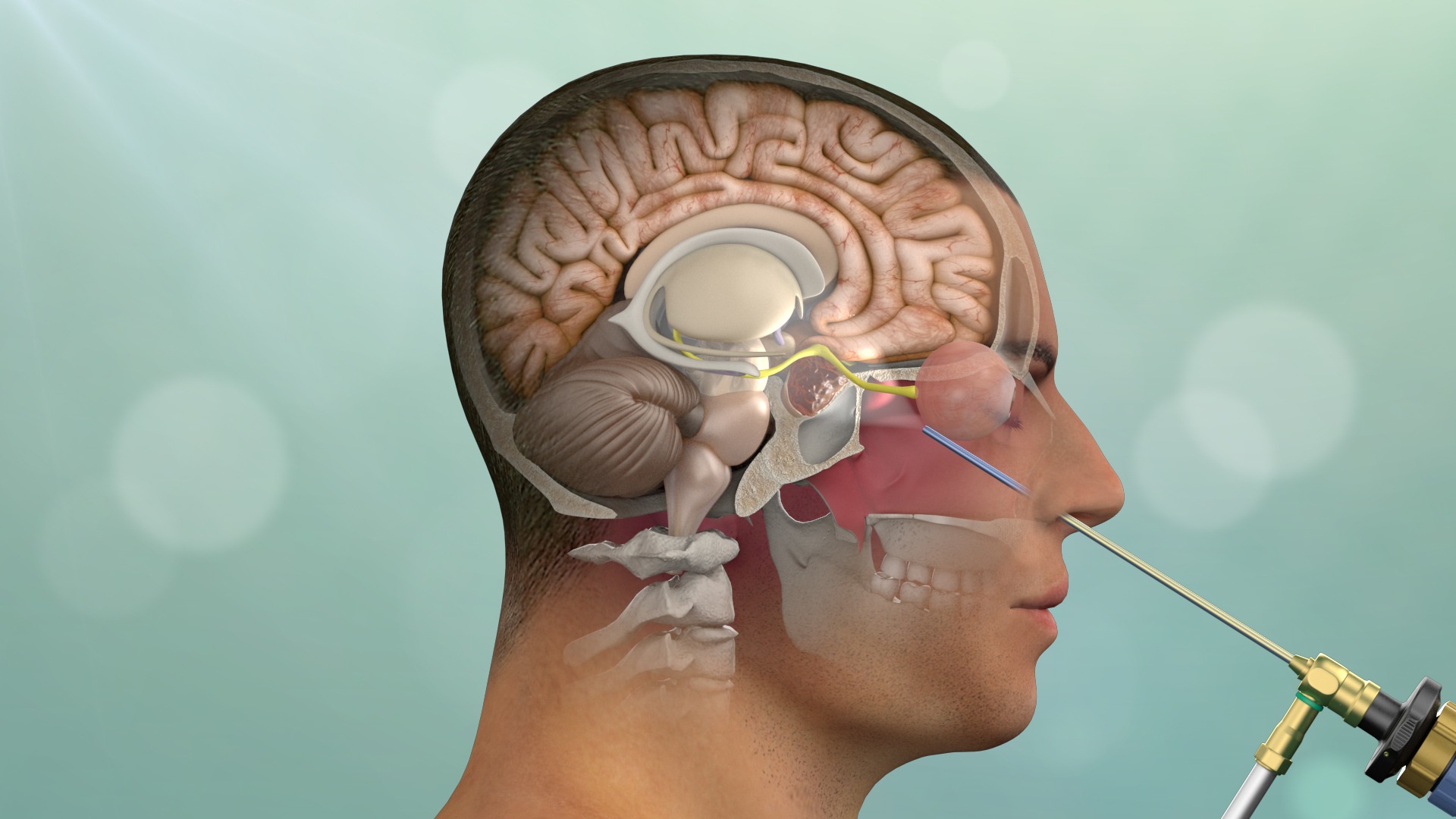
Endoscopic skull base surgery, one of the most advanced disciplines in modern neurosurgery, allows access to complex lesions…
Detailed Information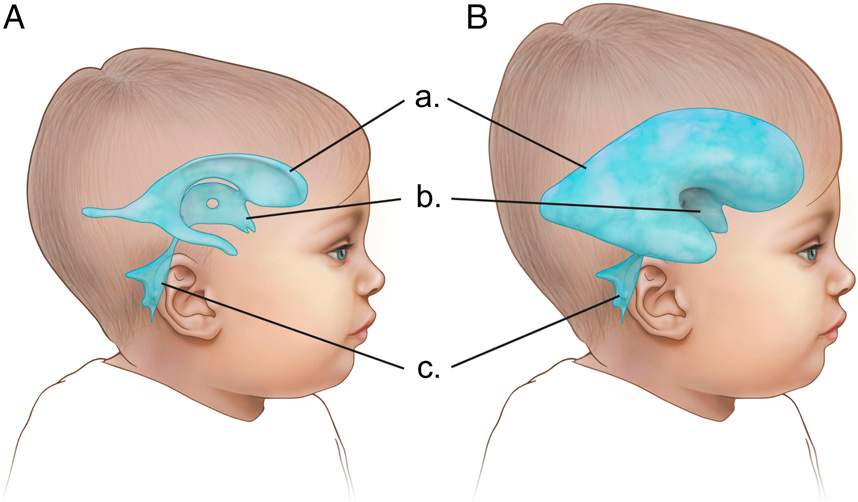
Childhood brain and spinal cord diseases require completely different clinical approaches than those for adults because they affect…
Detailed Information
Deep Brain Stimulation (DBS), one of the most advanced methods in modern medicine for managing movement disorders, is…
Detailed Information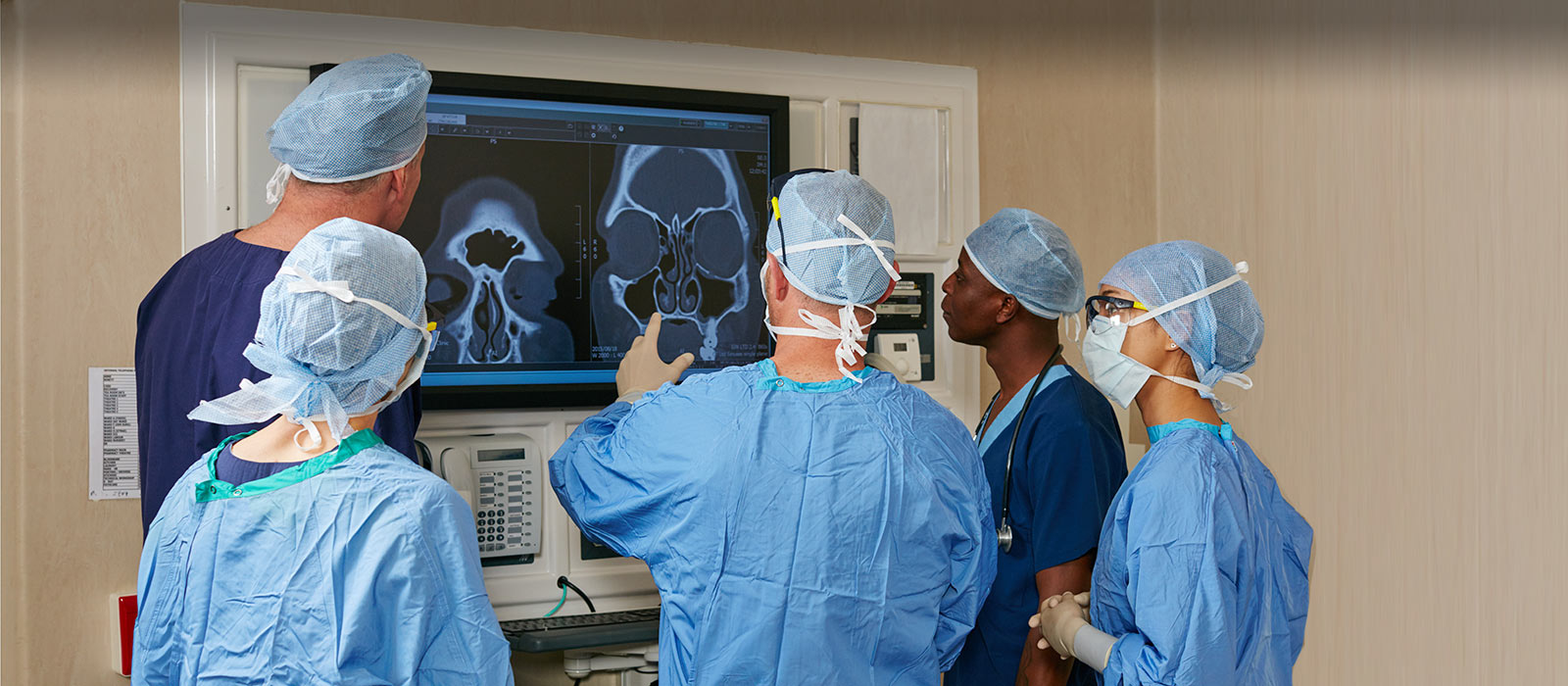
Brain tumors are masses formed as a result of uncontrolled cell proliferation in brain tissue or in the…
Detailed Information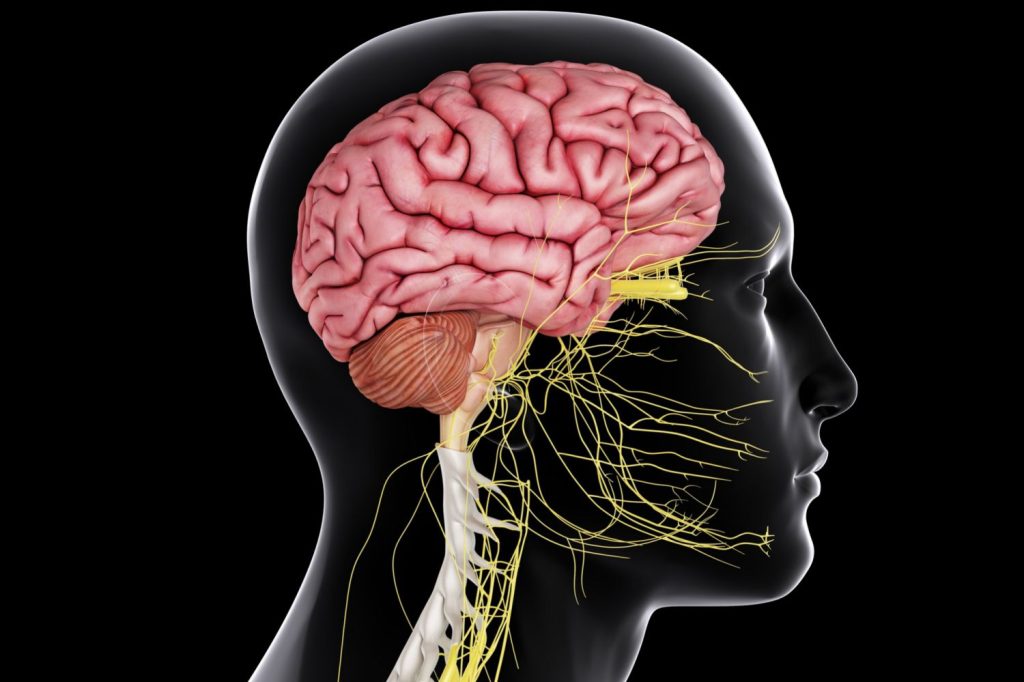
Pediatric brain and spinal cord disorders are a highly sensitive field of medicine that encompasses the entire process…
Detailed Information