


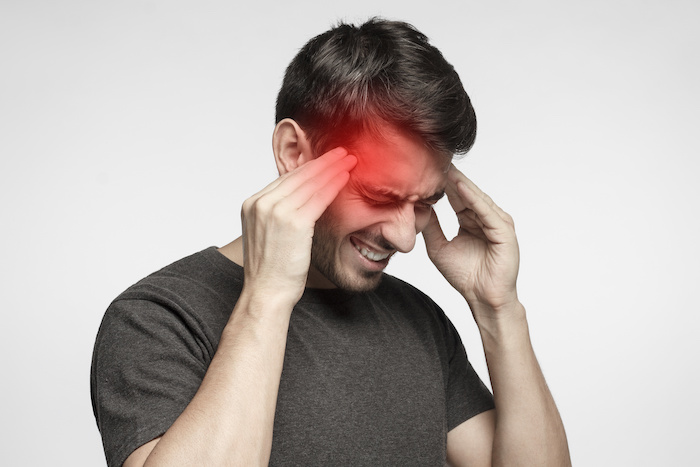
Headaches are one of the most common health complaints worldwide and are often caused by stress, fatigue, or vascular causes.
However, many people experience severe anxiety by associating every severe headache with the possibility of a brain tumor.
Medical data show that brain tumor is the underlying cause of a very small proportion of headaches in society.
In this content, we will discuss when the headache is innocent and in which cases a specialist should be consulted immediately with scientific data.
The Relationship Between Headache and Brain Tumor: Facts and Delusions
Headache alone is rarely the only symptom of a brain tumor.
Tumor-induced pain is usually accompanied by other neurological symptoms due to increased intracranial pressure.
Causes of Headache: Migraine, Tension or Tumor?
More than 90% of the headaches seen in the society are migraine, tension type or cluster headaches, which we call primary headaches.
While tension headache creates a feeling of compression as if there is a band on the head, migraine is usually one-sided and throbbing.
Unlike these types, brain tumor pain is a secondary pain that develops due to the narrowing of the intracranial volume.
What is the Frequency of Headache in Brain Tumor?
Approximately 50% of patients with brain tumors complain of headache.
However, in the majority of these patients, pain is accompanied by other symptoms such as accompanying seizures, loss of vision or balance disorder for months before diagnosis.
The rate of cases who applied only with the complaint of headache and had a brain tumor is quite low.
Distinguishing Characteristics of Brain Tumor-Induced Headache
There are specific “clinical flags” that distinguish tumor-induced pain from classic migraine or tension pain.
Increased Severe Pain and Nausea in the Morning
Brain tumor pains are typically most severe in the early hours of the morning, when awakened.
This is because staying in the horizontal position overnight increases intracranial pressure.
When the person stands up and goes into a vertical position, the pain may tend to be relieved, but this situation repeats every day.
Beware of Headaches That Wake You From Sleep!
If a headache is severe enough to wake you from your deep sleep, it should be taken seriously.
Innocent headaches usually subside when the person falls asleep, while tumor-induced pressure increase may be at a level that disrupts sleep.
Aches and pains aggravated by coughing, sneezing or bending
Any physical activity that increases intracranial pressure (coughing, sneezing, pushing, or leaning forward) can trigger tumor pain.
Feeling throbbing or increased pressure in the head during these maneuvers requires a neurological evaluation.
Expert Note:
“Don’t say ‘the pain I’m used to’ for pain that doesn’t go away despite painkillers, lasts for weeks and increases in severity with each passing day.
Especially if you are experiencing this type of pain for the first time in your life after the age of 50, be sure to request a neurological imaging. ”
Other Significant Symptoms of a Brain Tumor: When to Suspect
The functional losses accompanying the headache give clinical clues about the location of the tumor in the brain.
Epileptic Seizures and Fainting States
Having an epileptic attack for the first time in an adult with no previous history of seizures is the strongest stimulus in the diagnosis of brain tumor.
Tumor in brain tissue can trigger local or general seizures by disrupting electrical conduction.
Visual Impairments and Blackout
Although there is no problem in the eye examination, double vision, narrowing of the visual field or sudden blackouts may indicate an increase in intracranial pressure.
Papillary edema (swelling of the fundus nerve) is a critical finding in which physicians suspect a brain tumor.
Loss of Strength or Tingling in the Arms and Legs
Weakness on one side of the body (right or left), dropping something while holding it or dragging it while walking may suggest a mass pressing on the motor cortex.
Comparison Table of Headache Type
| Feature | Tension Type / Migraine | Brain Tumor Welded |
| Timing | Towards the end of the day or after the trigger | When you wake up in the morning, the most severe |
| Pain Character | Jamming, throbbing, variable violence | Continuous, incremental and repressive |
| Accompanying Persons | Light sensitivity, odor sensitivity | Gushing vomiting, seizure |
| Physical Activity | May decrease with rest | Increases with coughing and bending |
| Drug Response | PainIf these symptoms, called “Red Flags” in clinical practice, are present, imaging triggers are mandatory.
Sudden Onset and Called “The Worst Pain of My Life”“Lightning” -style pain that peaks within a second may be a sign of an aneurysm or bleeding rather than a brain tumor; this is an emergency. Brain tumor pain, on the other hand, usually increases “insidiously” within weeks and months. Change in Current Pain Type or Failure to Respond to TreatmentYou may have been suffering from migraines for years; however, this requires a new evaluation if the character of your pain has changed, its frequency has increased, or if medications that have always worked well no longer work. Modern Imaging Methods Used in the Diagnosis of Brain TumorModern medicine offers the opportunity to examine the internal structure of the brain with high resolution. The Role of Brain MRI (MRI) and Computed TomographyContrast-enhanced Brain MRI is the gold standard in tumor diagnosis. MRI shows the type of tumor, its location and its relationship with the surrounding tissues in millimeters. CT (Tomography) is mostly used to evaluate bone structures and emergency bleeding. Neurological Examination: What Does the Physician Check?A specialist neurosurgeon or neurologist checks your reflexes, balance, eye movements, and muscle strength, mapping which part of the brain may be problematic. Coping with Headaches and Contacting the Right SpecialistManaging the process with the right methods instead of waiting in fear speeds up the diagnosis. Keep a Pain Diary: Note when the pain begins, how long it lasts, and any accompanying symptoms. Don’t Diagnose Yourself: Not all information on the Internet may reflect your situation; anxiety may exacerbate your pain. Controlled Drug Use: Unconscious use of painkillers can mask the real problem by creating a “drug abuse headache”. This information is for general information purposes; it is recommended that you consult a health care provider for your condition. Frequently Asked QuestionsDoes every severe headache mean that it is a brain tumor?The vast majority of headaches in society are caused by migraines or stress; headache alone is rarely a symptom of a brain tumor, and often tumor-related pain is accompanied by other neurological symptoms, such as seizures, loss of strength, or impaired vision. At what time of day is brain tumor pain more pronounced?Because of the increase in intracranial pressure in the horizontal position at night, brain tumor-induced headaches are typically most severe when awakened in the morning and may tend to be somewhat relieved when the person stands up and moves to the vertical position. What is the effect of painkillers on brain tumor pain?While normal headaches can be controlled with standard painkillers, pains due to brain tumors are usually resistant to drugs and follow a continuous course of increase without decreasing in severity over time. In which cases should an emergency doctor be consulted for headache?If there are symptoms such as sudden onset of severe pain, gushing vomiting, personality change, numbness in the arm or leg and speech disorder, which are defined as the “worst pain of my life”, a specialist should be consulted immediately. Can stress and anxiety mimic brain tumor symptoms?Intense anxiety and fear of tumors (carcinophobia) can psychosomatically mimic tumor symptoms by creating a feeling of pressure and dizziness in the head area; however, clinical findings and specialist examination can make this distinction clearly. Which tests are most reliable in diagnosing a brain tumor?If physical findings are supported after neurological examination, medicated (contrast-enhanced) Brain MRI (MRI), which shows the brain tissue in the most detailed way and can detect the tumor millimetrically, is the gold standard for diagnosis. Scientific BibliographyJournal of the American Medical Association (Jama): “Evaluation of the adult with headache”. The Lancet: “Diagnosis and management of brain tumors”. PubMed / NCBI: “Headache as the only symptom of brain tumor”. Mayo Clinic: “Headache – When to see a doctor”. https://www.mayoclinic.org/symptoms/headache/basics/when-to-see-doctor/sym-20050800 Nature Reviews Neurology: “Patterns of headache in brain tumour patients”.https://www.nature.com/nrneurol/ |