

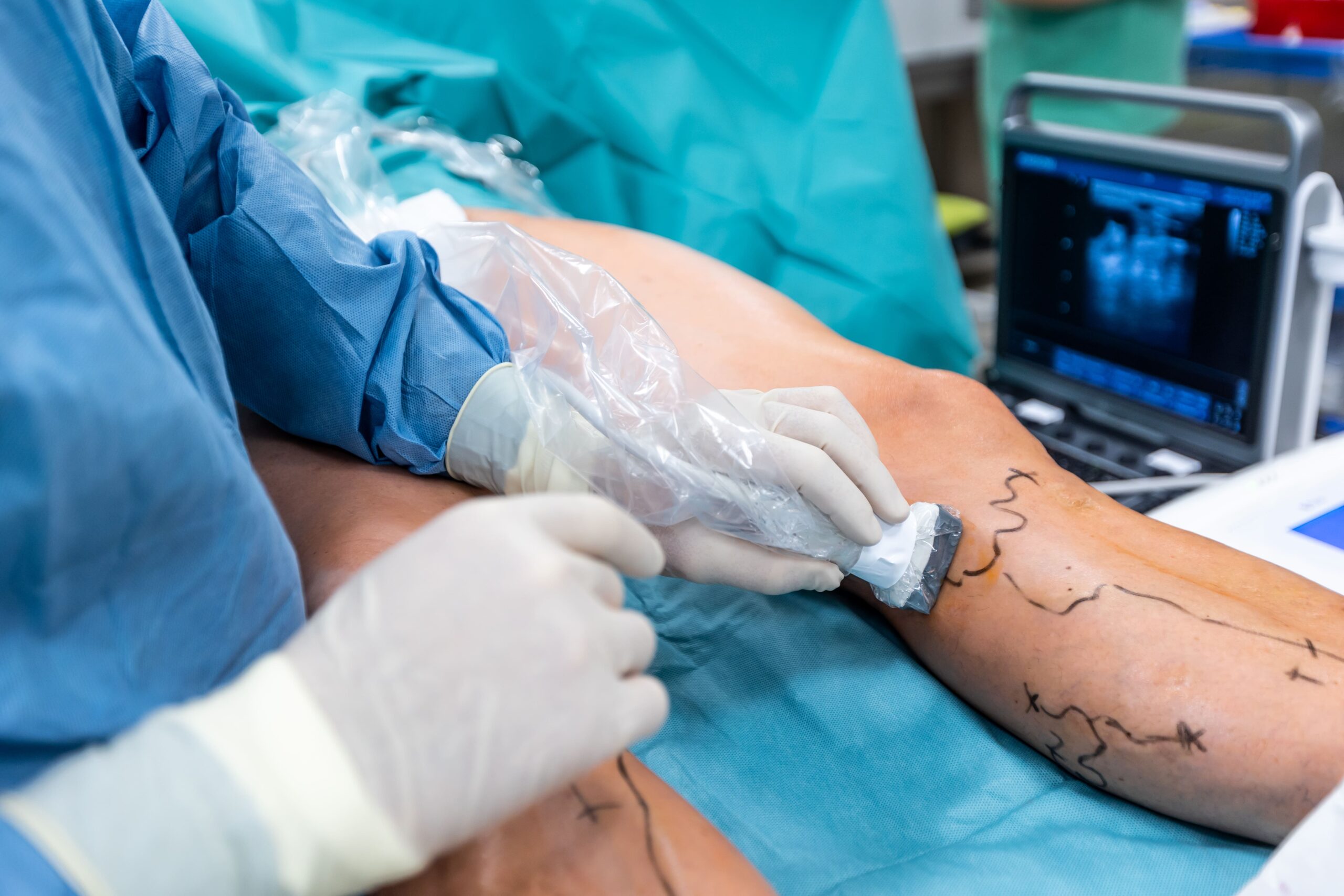
Vascular surgery is a broad discipline that encompasses the arteries, veins, and lymphatic system that originate from the heart and spread throughout the body.
Blockages, dilations, or structural abnormalities in the blood vessels can directly affect the nourishment of organs, posing life-threatening risks.
What is Vascular Surgery?
Vascular surgery involves not only the surgical treatment of blood vessels, but also the medical treatment of chronic vascular diseases and lifestyle management.
Early diagnosis plays a critical role in preventing irreversible conditions such as stroke, limb loss, or internal bleeding.
The Importance and Function of Vascular Health
Blood vessels, which form the body’s transportation network, deliver oxygen and nutrients to tissues. Aging, genetic factors, diabetes, and smoking cause this network to lose its flexibility or become blocked, creating the need for vascular surgery.
Common Vascular Diseases and Their Symptoms
Vascular diseases often progress insidiously, and symptoms vary depending on the location of the lesion.
Aneurysm: This is the weakening and ballooning of the blood vessel wall. Symptoms may include a pulsing sensation in the abdomen or sudden back pain.
Peripheral Artery Disease: This is the narrowing of the leg arteries; cramp-like pains during walking (intermittent claudication) are the most typical sign.
Carotid Artery Disease: This is the narrowing of the carotid arteries, resulting in reduced blood flow to the brain and the risk of temporary/permanent stroke.
Treatment Methods: Open Surgery and Endovascular Approaches
Today, vascular surgery has evolved towards minimally invasive techniques that prioritize patient comfort.
The choice of treatment is determined based on the percentage of narrowing in the artery and the patient’s overall risk profile.
Surgical and Interventional Method Comparison Table
| Treatment Method | Application Method | Recovery Time | General Advantage |
| Endovascular (Minimally Invasive) | Access via the femoral artery using a catheter | 24 – 48 Hours | No incision, low risk |
| Open Surgery (Bypass) | Artificial or natural vessel graft | 4 – 6 weeks | Long-term durability |
| Endarterectomy | Cleaning of plaque inside the artery | 2 – 3 weeks | Direct plaque removal |
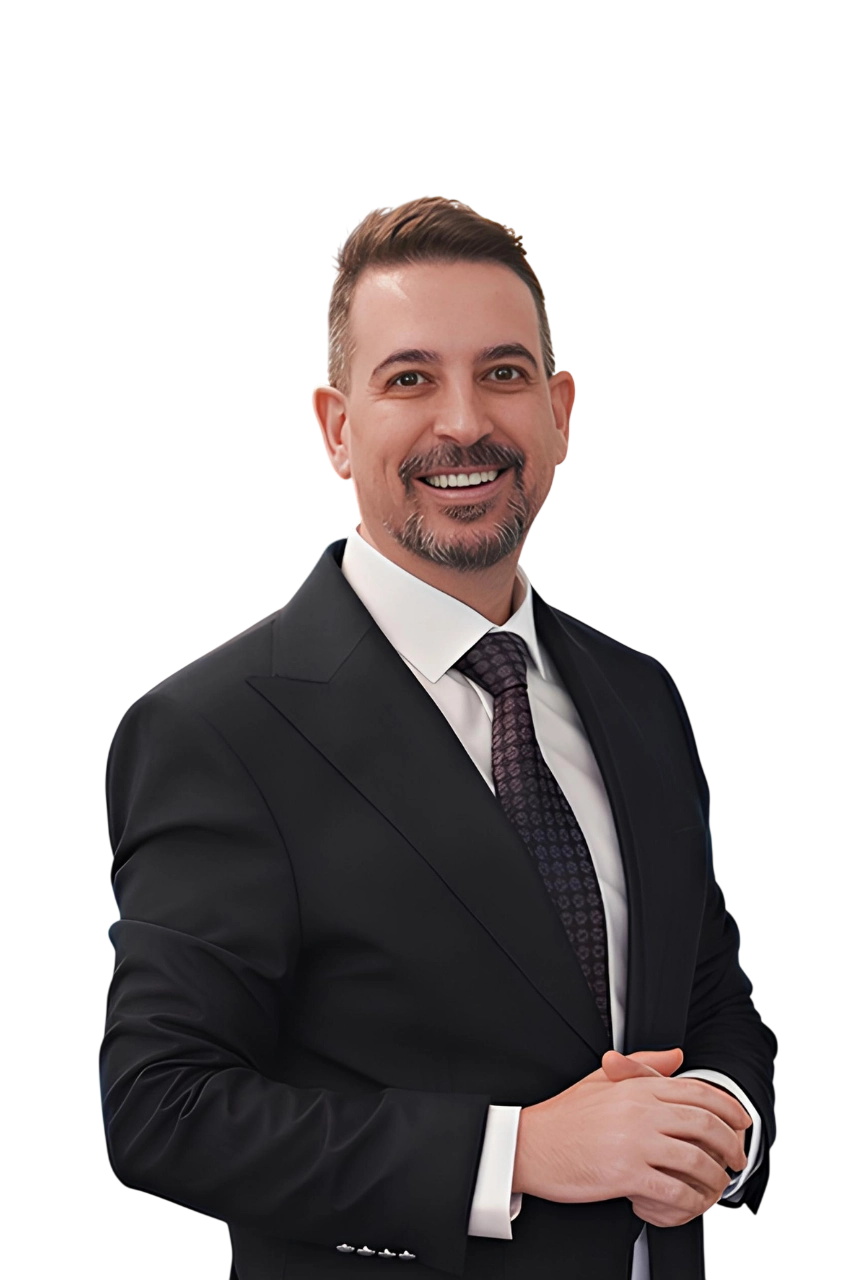
Recommendations from Prof. Dr. Erdinç Özek
“The key to success in vascular surgery is ‘early stage’ intervention. Especially in individuals with diabetes, consulting a specialist vascular surgeon before foot ulcers develop and leg pain is confused with simple cramps can prevent limb loss by 90%. Remember, your vascular health is the clearest indicator of your biological age.”
Clinical Experiences and Anonymous Case Example
Case Analysis: A 68-year-old male patient, a chronic smoker, presented with a complaint of a pulsating mass in the abdominal region. Tests revealed a 6.5 cm Abdominal Aortic Aneurysm (AAA). The patient, who was considered to be at high risk of rupture, underwent EVAR (Endovascular Aneurysm Repair), a minimally invasive method, instead of open surgery. A stent was placed inside the artery through the groin area, and the patient was discharged walking two days after the surgery, with the aneurysm risk completely under control.
Modern Technologies in Vascular Surgery
Modern vascular interventions are performed in advanced areas called “Hybrid Operating Rooms.” In these areas, both angiography (imaging) and surgery can be performed simultaneously. Methods such as varicose vein treatment with laser and radiofrequency energy allow patients to return to their social lives on the same day.
Frequently Asked Questions
Does vascular surgery only perform varicose vein surgery?
No, vascular surgery covers all surgical and interventional treatments of the aorta, which is the main artery originating from the heart, as well as the carotid arteries, leg arteries, and renal arteries, including all veins returning to the heart.
Does carotid artery blockage always carry a risk of stroke?
When the degree of narrowing in the artery exceeds 70% or the plaque structure inside the artery becomes irregular, the risk of blood clots reaching the brain and stroke increases significantly.
Is endovascular surgery (endovascular) suitable for all patients?
As long as the anatomical structure of the artery, the length of the blockage, and its location are suitable, closed methods such as stents or balloons are preferred in most patients.
Can leg artery blockage be treated with medication?
Medication is used to slow the progression of the disease and reduce the risk of clots, but in cases of advanced complete blockage, the artery must be mechanically opened surgically or with a balloon.
Why doesn’t a diabetic foot ulcer heal?
High blood sugar levels in diabetic patients cause narrowing of the arteries, blocking blood flow to the injured area and stopping healing in the oxygen-deprived tissue; at this stage, vascular surgery is essential.
Does varicose vein treatment recur after treatment?
The risk of recurrence is quite low in main veins treated with accurate mapping and modern techniques such as radiofrequency or laser, but new varicose veins may form in different veins depending on the patient’s genetic predisposition.
Vascular Surgery Specialist Appointment
You can request an appointment at our clinic to receive a professional evaluation of your vascular problems, such as vascular occlusions, varicose vein problems, or diabetic foot complications. During the examination process, your Doppler ultrasonography and advanced imaging results are analyzed by Prof. Dr. Erdinç Özek to determine the safest treatment algorithm for you. For detailed information, you can consult a specialist.
Scientific References
Lancet: Management of Peripheral Arterial Disease: A clinical review. https://www.thelancet.com
Journal of Vascular Surgery: Guidelines for the care of patients with abdominal aortic aneurysm. https://www.jvascsurg.org
PubMed (NIH): Carotid endarterectomy versus stenting for stroke prevention. https://pubmed.ncbi.nlm.nih.gov