


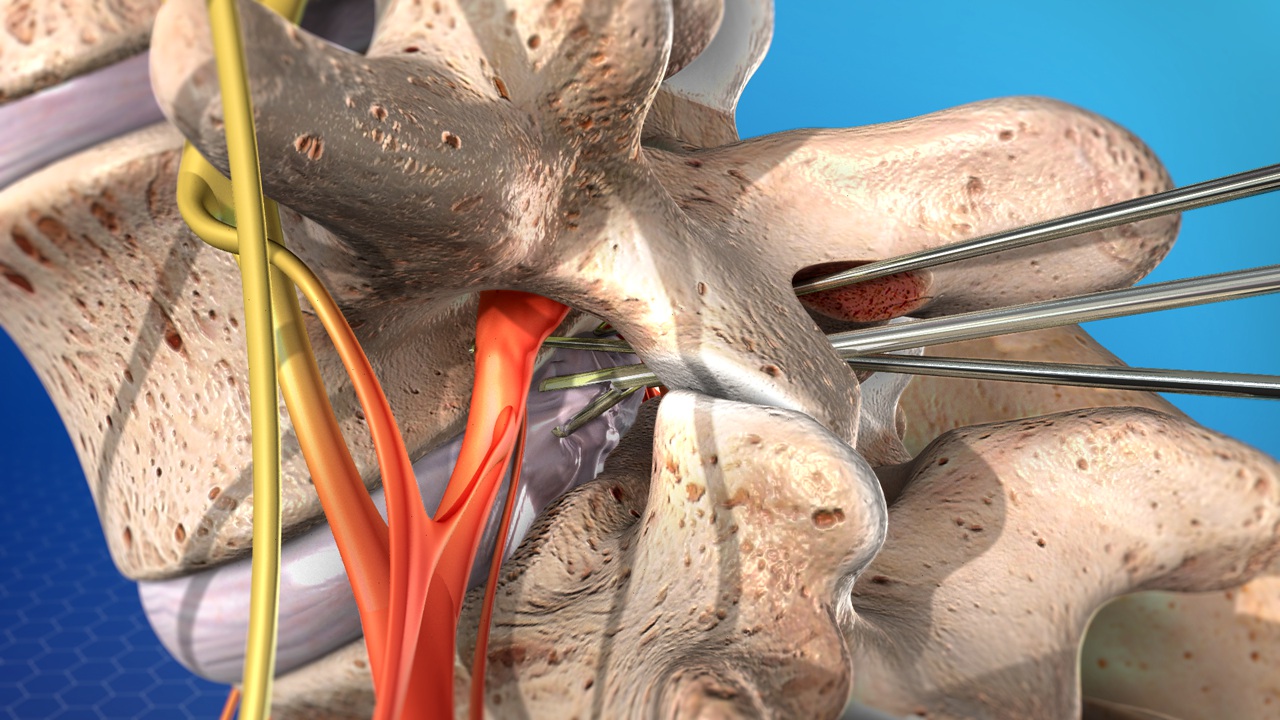
For cases where drug therapy is ineffective in managing epilepsy, Vagal Nerve Stimulation (VNS) is one of the most effective neuromodulation methods offered by modern neurosurgery. This technology utilizes the body's natural nerve networks to control seizures and improve quality of life.
What is Vagal Nerve Stimulation (Epilepsy Pacemaker)?
VNS is a system that regulates seizure activity by sending electrical signals through the vagus nerve in the neck region without directly intervening in the brain.
This method, referred to as the "epilepsy implant," aims to balance electrical irregularities in the brain.
Basic Components of the VNS System: Generator and Electrodes
The system consists of two main parts: a small titanium generator (battery) placed under the chest wall and a thin electrode wire wrapped around the vagus nerve in the neck. These two components are connected to each other by a cable that passes under the skin.
How Does the Epilepsy Battery Affect the Brain? (Neuromodulation Mechanism)
The vagus nerve is one of the main communication highways between the brain and the body. The implant sends mild electrical signals to this nerve at specific intervals.
When these signals reach the brain, they trigger chemical changes that make it harder for seizures to start and stabilize abnormal electrical discharges.
Who is Eligible for an Epilepsy Stimulator? Patient Selection Criteria
VNS is not the first option for every epilepsy patient; however, it is vitally important for certain groups.
Drug-Resistant (Refractory) Epilepsy: Patients whose seizures cannot be controlled despite at least two different appropriate antiepileptic drugs.
Cases Not Suitable for Surgery: Patients who cannot undergo resection surgery because the seizure focus is in critical areas of the brain or because there are multiple foci.
Children and Adults: It can be safely applied to both pediatric and adult patient groups.
Vagal Nerve Stimulation Surgery Process
The surgical procedure does not require opening the brain, making it a lower-risk procedure with faster recovery compared to traditional brain surgeries.
Surgical Procedure: Implantation of the Pacemaker and Electrodes
The approximately 1-hour operation is usually performed under general anesthesia. The system is implanted through small incisions made in the chest and neck areas. Thanks to aesthetic suturing techniques, the surgical scars become less noticeable over time.
| Feature | Medication Therapy | VNS (Epilepsy Stimulator) |
| Administration Method | Oral (By mouth) | Surgical Implant |
| Seizure Intervention | Preventative only | Magnet-based instant stoppage option |
| Cognitive Side Effect | May cause dizziness or drowsiness | Low side effect profile |
| Continuity | Requires dose monitoring | Operates automatically |
Recommendations from Prof. Dr. Erdinç Özek
"Patience is the most important factor in epilepsy implant treatment. Instead of expecting seizures to stop immediately after the implant is placed, the goal should be gradual improvement over time. Additionally, if the patient or a caregiver feels a seizure coming on, using the magnet can reduce seizure severity by 50-60%."
Advantages and Expected Benefits of the Epilepsy Stimulator
The success of VNS therapy is not measured solely by the number of seizures; the patient's participation in social life is also taken into account.
Seizure Control: A significant reduction in seizure frequency and severity is observed in the vast majority of patients.
Magnet Use: When the patient senses an impending seizure (aura), they can manually trigger the implant by holding a special magnet over it, thereby stopping the seizure or reducing its severity.
Faster Recovery: The duration of confusion and fatigue following a seizure is reduced.
Clinical Experiences and Case Example
Anonymous Case Analysis: A 14-year-old patient who experienced 5-6 generalized seizures per week despite taking three different medications. A 40% reduction in seizure frequency was recorded in the first 6 months after VNS implantation. By the end of the first year, with optimized battery settings, seizures decreased to 1-2 per month and a marked increase in school performance was observed.
Frequently Asked Questions
Does VNS therapy completely stop seizures immediately?
Vagal nerve stimulation is a treatment method that shows its effect over time; rather than completely stopping seizures, the goal is to gradually reduce their frequency and severity and improve quality of life.
Is epilepsy implant surgery a risky brain surgery?
The VNS procedure does not involve direct intervention on brain tissue; since the electrodes are placed on the vagus nerve in the neck and the implant is placed in the chest area, it has a much lower risk profile compared to traditional brain surgery.
Does the implant cause hoarseness or difficulty swallowing?
Temporary hoarseness or a tingling sensation in the throat may be felt during the electrical signals sent by the device; this is usually controlled by optimizing the pacemaker settings by the physician.
What is the purpose of using a magnet during a seizure?
When the patient or a caregiver senses a seizure is starting, they can hold the special magnet over the implant to initiate extra stimulation; this intervention can stop the seizure, shorten its duration, or reduce its severity.
Can a patient with an epilepsy implant undergo an MRI scan?
Most current VNS devices are designed to be "MRI compatible," but since the implant must be turned off or placed in a specific safety mode before the scan, the procedure must be planned under the supervision of a physician.
What is the battery's lifespan, and what is the replacement process?
The battery life is approximately 5 to 10 years, depending on the current settings used; when the battery runs out, only the generator in the chest area is replaced with minor local surgery, and the cables in the neck are not touched.
Scientific References
The Lancet: Vagus nerve stimulation in drug-resistant epilepsy: a randomized clinical trial. https://www.thelancet.com
Epilepsia (Official Journal of the ILAE): Long-term outcomes of VNS therapy in pediatric and adult populations. https://onlinelibrary.wiley.com/journal/15281167
PubMed (NIH): Mechanisms of vagus nerve stimulation in the treatment of epilepsy. https://pubmed.ncbi.nlm.nih.gov
Professional Consultation and Appointment
It is critical to seek expert advice to determine whether VNS (epilepsy implant) is a suitable option for you in cases of drug-resistant epilepsy. You can contact Prof. Dr. Erdinç Özek to learn about the detailed evaluation process and application protocols at our clinic, and to schedule your appointment.