


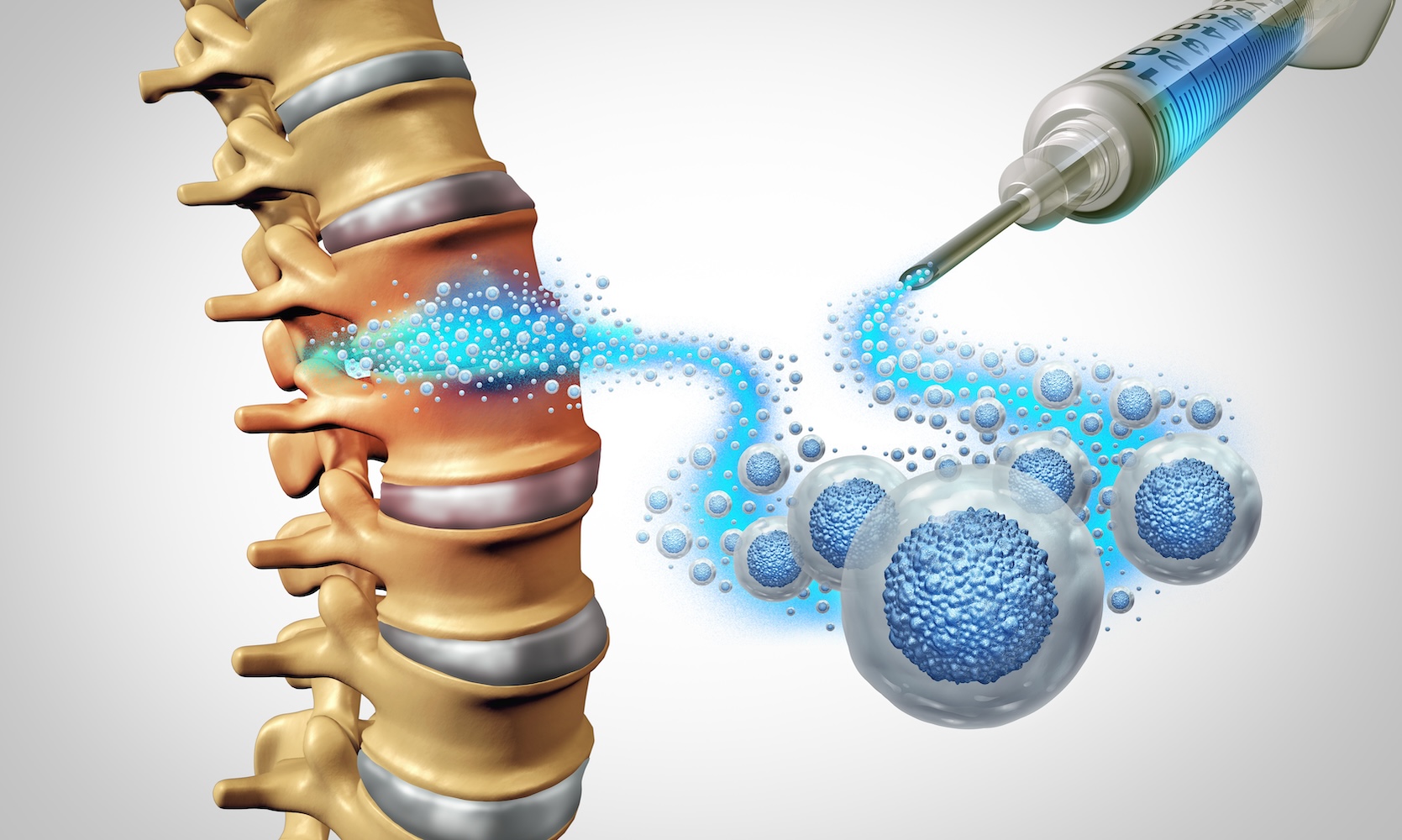
Spinal cord injuries, which present the most challenging scenario among central nervous system injuries, are one of the areas where modern medicine focuses its efforts most intensely.
While traditional approaches generally focus on halting the progression of damage and preserving existing functions, current stem cell therapies represent a new era in terms of regaining lost neural functions and biologically repairing nerve tissue.
What is Spinal Cord Injury? (The Difference Between Paraplegia and Tetraplegia)
The spinal cord is a vital nerve pathway that transmits commands from the brain to the body and carries sensations from the body to the brain.
Any interruption at any level of this pathway causes the communication network below the damaged area to collapse.
The clinical picture is divided into two main categories based on the level of the spine where the injury occurred:
Tetraplegia (Quadriplegia): The injury is in the neck (cervical) region. In this case, the arms, torso, legs, and all pelvic organs are affected. The patient’s mobility and sensory perception are limited in all four limbs.
Paraplegia: The injury is in the back (thoracic), waist (lumbar), or tailbone (sacral) region. While arm function is preserved, loss of function is observed in the lower torso, legs, and pelvic organs.
Causes of Spinal Cord Injury
The mechanisms that damage spinal cord tissue are examined in two main categories. The form of the injury and the type of damage to the tissue are of great importance when determining the treatment strategy:
Traumatic Injuries: These are sudden injuries caused by fractures or dislocations of the spine resulting from traffic accidents, falls from heights, firearm injuries, or sports accidents. In this case, crushing, tearing, or bleeding occurs in the tissue.
Non-Traumatic Injuries: These occur without external impact, due to a process within the body compressing the spinal cord or disrupting its nutrition. Spinal tumors, advanced lumbar hernias, infections (such as transverse myelitis), and vascular disorders fall into this group.
Spinal Shock Period: The Importance of the First 6 Weeks After Injury
Immediately after the injury, a physiological process called “spinal shock” begins. During this phase, all reflex activity and nerve conduction below the level of injury are temporarily and completely suspended.
Duration: It typically begins immediately after the injury and can last from a few days to 6 weeks.
Diagnostic Misconception: During this period, the patient’s paralysis may appear to be “complete damage”; however, this picture can be misleading.
Clinical Significance: Neurological assessment performed before spinal shock resolves (before reflexes return) does not fully reflect the patient’s ultimate recovery potential. This phase must be carefully monitored when planning stem cell therapy.
Prof. Dr. Erdinç Özek: “The uncertainty of the spinal shock phase is the most challenging process for the patient’s relatives. During this period, one should avoid definitive judgments such as ‘they will never walk again’ or ‘they will recover immediately’. After stabilization is achieved in the first 6 weeks, detailed neurological examinations and radiological investigations will chart the most accurate course for advanced applications such as stem cell therapy.”
Review and Knowledge Gains Note: In spinal cord injuries, tissue damage is not limited to the initial impact; cell death continues in a process called “secondary damage.” Our goal in stem cell applications is to stop this secondary damage and improve the microenvironment.
Scientific Basis: Spinal shock and classification standards are based on the International Standards for Neurological Classification of Spinal Cord Injury (ISNCSCI) criteria.
How Does Stem Cell Therapy Offer Hope for Spinal Cord Injury?
While traditional treatments focus on stabilizing the damaged area, stem cell therapy offers a direct regenerative approach.
This treatment aims to trigger the “neural repair” process that the body cannot achieve on its own after spinal cord injury.
The fundamental goal is to biologically bridge the severed nerve pathways and achieve functional recovery.
Mechanism of Action of Stem Cells: Neuron Repair and Remyelination
Nerve transmission occurs through a protective insulating layer (myelin sheath), similar to electrical cables.
In spinal cord injury, this sheath is damaged and the cables (axons) break. Stem cells perform two vital tasks here:
Remyelination: They rebuild the damaged insulation layer, increasing signal transmission speed.
Axonal sprouting: They promote the regrowth of severed nerve endings, establishing new connections along the nerve pathway.
Preventing Secondary Damage: Anti-inflammatory and Anti-apoptotic Effects
Within hours and days after injury, a destructive process called “secondary damage” begins in the tissue. Stem cells provide the following protection by secreting specific growth factors and cytokines:
Suppression of Inflammation: They reduce the excessive immune response and edema in the area, preventing damage to healthy tissue.
Prevention of Cell Death (Apoptosis): They enable “dying” cells around the damaged area to cling to life.
Types of Stem Cells Used in Spinal Cord Injury
Each patient’s clinical picture is different, and the success of treatment is directly related to the selection of the correct cell type. Currently, there are three main cell types that stand out in clinical applications and research:
Mesenchymal Stem Cells (MSCs): Fat and Bone Marrow-Derived Treatments
These are currently the most preferred cells in clinical applications and have the highest safety profile. They are typically obtained from the patient’s own bone marrow or adipose tissue.
Advantage: Since they are derived from the patient’s own tissue, there is no risk of rejection by the body.
Mode of Action: Rather than directly transforming into new nerve cells, they function as a “supportive factory,” secreting healing molecules.
Neural Stem and Progenitor Cells (NSPCs)
These cells are directly derived from the nervous system and have a very high potential to differentiate into neurons or support cells.
Objective: To form new neural circuits in the damaged area and fill the physical void (cavity).
Clinical Status: They typically require specialized differentiation in a laboratory setting.
iPSC Technology: Genetically Programmed Cells Specific to the Individual
Induced Pluripotent Stem Cells (iPSCs) are obtained by genetically “resetting” the patient’s skin or blood cells. This technology offers an option with the capabilities of embryonic stem cells, but without the ethical controversies.
Importance: It forms the basis of the vision for producing personalized “spare parts.”
Prof. Dr. Erdinç Özek: “The type of stem cell to be used should be determined based on the patient’s age, the time elapsed since the injury, and their current neurological level. It should be remembered that the key to success is not only the type of cell, but also how ‘viable’ and ‘functional’ that cell is prepared in the laboratory environment.”
Treatment Comparison Table
| Feature | Mesenchymal (MSC) | Neural (NSPC) | iPSC Technology |
| Source | Bone Marrow / Fat | Neural Tissue | Skin / Blood (Reprogrammed) |
| Immune Compatibility | Excellent (Autologous) | Variable | Excellent |
| Primary Effect | Anti-inflammatory / Protection | New Neuron Formation | Multifaceted Regeneration |
| Ease of Application | High | Moderate | Technically Complex |
[Case Example – Anonymized]: In a 28-year-old male patient who presented to our clinic in the 4th month after injury (subacute) with incomplete damage at the lumbar level, a 30% increase in sensory perception and improvement in bladder control were observed in the 6th month after bone marrow-derived MSC application with intensive physical therapy support. This example confirms the importance of timing and proper cell selection.
Treatment Process and Stem Cell Application Methods
Stem cell therapy is not just about administering cells to the body; it is a comprehensive surgical protocol that includes preparation, application, and follow-up processes. The most suitable transfer route for the patient’s clinical condition is selected to ensure that the cells reach the damaged tissue in the most efficient way.
How is Cell Transplantation Performed? (Intrathecal, Intravenous, and Intralesional Injection)
There are three primary methods used to deliver cells to the spinal cord:
Intralesional (Direct) Injection: This is a transplant performed directly into the damaged area of the spinal cord using microsurgical techniques. It is the most effective method for ensuring that the cells reach their target, but it requires surgical precision.
Intrathecal Administration: Cells are delivered into the cerebrospinal fluid (CSF) via a puncture in the lumbar region. The cells are then transported to the damaged area by the fluid flow.
Intravenous (IV) Administration: A non-invasive method preferred primarily for systemic support and reducing inflammation.
Transplants Supported by Biomaterials and 3D Scaffold Technologies
Especially in cases of complete transection or tissue void, a “biological scaffold” is needed for the cells to adhere to the damaged area.
3D scaffold technology consists of artificial tissue structures onto which stem cells are grafted and which guide neural growth.
This method prevents the dispersion of cells, increasing the survival rate in the transplant area.
Success Factors and Rehabilitation in Stem Cell Therapy
Stem cell therapy is not a “magic wand,” but a trigger that initiates regeneration. For the treatment to translate into functional movement, the body must be prepared for this process.
The Power of Exercise: The Importance of Physical Therapy for Cell Integration
External stimuli are necessary for the newly transplanted cells and established neural connections (synapses) to become permanent.
Neuroplasticity: Exercise enables the brain and spinal cord to recognize new cells.
Conditioning: In a patient without exercise and rehabilitation support, even if the cells are successfully transplanted, movement cannot occur due to frozen joints and atrophied muscles.
Ideal Timing: At Which Stage (Acute, Subacute, Chronic) Should Treatment Be Applied?
| Stage | Process | Treatment Potential |
| Acute | First 2-4 weeks | Risky due to edema and spinal shock; treatment is protective. |
| Subacute | 1st month – 6th month | Golden Window: The period when the highest yield is obtained for cell transplantation. |
| Chronic | 6 months and beyond | The rate of recovery is slow; however, the goal is to improve quality of life. |
Prof. Dr. Erdinç Özek: The most common mistake after cell therapy is neglecting rehabilitation. If the transplanted cells are ‘seeds’, then intensive physical therapy is the soil that allows those seeds to sprout. Maintaining muscle structure and joint mobility before and after treatment accounts for 50% of success.”
Frequently Asked Questions and Practical Information
Spinal Cord Injury Stem Cell Therapy Costs and SGK Coverage
Stem cell therapy requires high-tech laboratory processes that comply with GMP (Good Manufacturing Practice) standards. Treatment costs are determined based on the number of applications, the type of cells selected, and the length of hospital stay. As these applications are currently considered “innovative treatments” in most cases, they may not be covered by routine SGK reimbursement. You can obtain information about the current processes from our clinic.
What Are the Risks of Treatment? (Tumor Formation and Immune Rejection Concerns)
The most frequently asked question is about the risk of cells transforming into tumors (teratomas). In modern medicine, this risk is negligible, especially with mesenchymal stem cells obtained from the patient themselves. Furthermore, when the patient’s own cells (autologous) are used, there is no risk of the immune system rejecting the cells.
Is Stem Cell Therapy Administered in State Hospitals?
In Turkey, stem cell applications are carried out in certain university hospitals and research centers approved by the Ministry of Health, within the scope of approved clinical research protocols. These are not standard outpatient services; rather, they are ethical committee-approved processes for patients who meet specific criteria.
Scientific References
The following links direct you to the most prestigious studies in the international literature on the use of stem cells in spinal cord injuries:
The Lancet Neurology (Clinical Review): Regenerative medicine in spinal cord injury: Anticipating the next steps (A comprehensive study examining the future of regenerative medicine in spinal cord injuries and clinical phase stages.)
PubMed / Stem Cell Research & Therapy (Safety and Efficacy): Mesenchymal stem cell transplantation in spinal cord injury: A meta-analysis of RCTs (A scientific article analyzing the efficacy of mesenchymal stem cells through randomized controlled trials.)
Journal of Neurotrauma (Timing and Protocol): The Time is Now: Early Intervention in Spinal Cord Injury (Research proving the effect of post-injury intervention timing on neurological recovery.)