

What is ALS (Amyotrophic Lateral Sclerosis)? Motor Neuron Loss and Symptoms
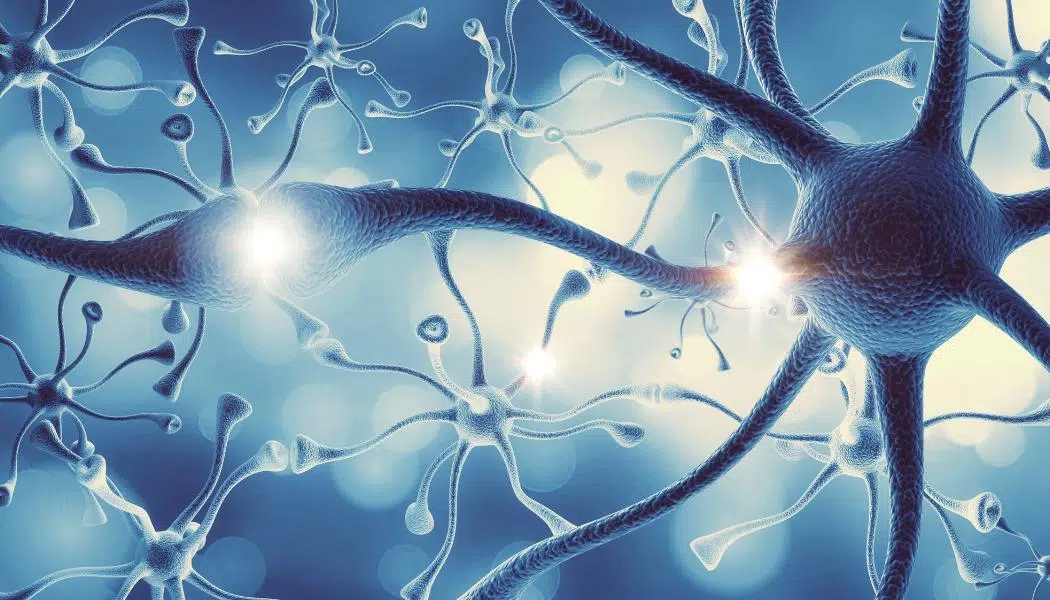
ALS is a neurodegenerative disease characterized by the progressive damage of motor neurons (nerve cells) located in the central nervous system that enable muscle movement.
The interruption of signals from the brain to the spinal cord and from the spinal cord to the muscles leads to weakness, wasting, and loss of control in the muscles over time.
This disease, which usually manifests between the ages of 50 and 60, is primarily caused by the deterioration of the microenvironment surrounding nerve cells and the disruption of the connections that facilitate nerve transmission.
Causes of ALS: Genetic Factors and Neuroinflammation
Approximately 90-95% of ALS cases are sporadic (random), while 5-10% are familial. Modern medicine points to two critical processes in the development of the disease:
Glutamate Excitotoxicity: Excessive glutamate accumulating at nerve endings poisons and kills cells.
Neuroinflammation: Chronic inflammation in nerve tissue damaging healthy neurons.
Clinical Findings of Upper and Lower Motor Neuron Damage
Because the disease affects two different groups of neurons, the symptoms are complex:
Upper Motor Neuron Damage: Muscle stiffness (spasticity), hyperactive reflexes, and emotional fluctuations.
Lower Motor Neuron Damage: Asymmetric weakness in the hands and feet, muscle twitching (fasciculation), cramps, and difficulty swallowing/speaking in the later stages.
Stem Cell and Cellular Support Protocols in ALS Treatment
While traditional drug treatments (such as Riluzole) focus only on balancing glutamate levels, stem cell therapy aims to change the microenvironment in the damaged neuronal region.
The Neuroprotective Effect of Mesenchymal Stem Cells
When mesenchymal stem cells (MSCs) reach damaged nerve tissue, they act more like a “biological factory” than directly transforming into cells.
They aim to extend the lifespan of dying motor neurons through the neurotrophic factors (BDNF, GDNF, VEGF) they secrete.
The Role of Stem Cells in Combating Glutamate Excitotoxicity
Stem cells can increase the expression of carrier proteins that clear excess glutamate between nerve cells.
This mechanism can slow down the process of “cellular poisoning,” which is the biggest obstacle in the progression of the disease.
Stem Cell Exosome Therapy and the Blood-Brain Barrier Advantage
Exosomes are nano-sized messengers released from stem cells. Their greatest advantage is that they can easily cross the Blood-Brain Barrier (BBB), which traditional cells struggle to pass through, and reach the target nerve tissue directly.
Recommendations from Prof. Dr. Erdinç Özek: “Time is the most valuable asset in ALS management. The primary goal of regenerative approaches such as stem cells and exosomes is to protect motor neurons that have not yet been lost and stabilize the current functional status. To maximize the benefits of treatment, it is critically important to begin cellular support while muscle strength loss is at a minimal level.”
ALS Stem Cell Therapy Comparison Table
| Feature | Traditional Drug Therapy | Mesenchymal Stem Cells | Exosome Therapy |
| Basic Mechanism | Suppression of glutamate levels | Neuronal protection and repair | Cellular signaling |
| Administration Route | Oral (By mouth) | Intrathecal or IV | Intravenous |
| Blood-Brain Barrier | Limited passage | Difficult due to cell size | High permeability |
| Primary Target | Symptom management | Slowing progression | Intercellular communication |
How is ALS Stem Cell Therapy Administered? Process and Protocols
The treatment process begins with a multidisciplinary assessment of the patient’s general condition and neurological stage.
Personalized Treatment Plan: Cell Count and Session Intervals
The cell dosage is determined based on the patient’s body weight, respiratory capacity, and the progression rate of the disease. Courses of treatment, usually administered at intervals of 3 to 6 months, are revised based on monitoring the biological response.
Administration Routes: Intrathecal and Intravenous Methods
Intrathecal Administration: Cells are administered directly into the cerebrospinal fluid (CSF). This is the route closest to the target tissue.
Intravenous (IV) Administration: Provides systemic immune regulation and support through the circulatory system.
Expected Effects of Stem Cell Therapy in ALS Patients
The success of the treatment is not the complete elimination of the disease, but rather the slowing of the rate of functional loss.
Slowing Disease Progression and Achieving Functional Stabilization
Clinical experience shows that in patients who receive the correct protocol, the decline in ALSFRS (ALS Functional Rating Scale) scores slows down.
This means that the patient can remain independent for a longer period of time.
Improving Quality of Life: Mobility and Swallowing Function
Cellular support can lead to a reduction in muscle twitching (fasciculation), preservation of the swallowing reflex, and stabilization of respiratory capacity.
Case Analysis (Anonymous): A 54-year-old male patient, in his first year after diagnosis, presented with complaints of progressive arm weakness.
After a 3-session combined stem cell and exosome protocol, the patient’s clinical scores stopped declining, and stabilization was recorded in fine motor skills (buttoning, holding a pen). Respiratory functions were preserved during the 2-year follow-up.
How is ALS Stem Cell Therapy Administered? Process and Protocols
Stem cell application in ALS management is not just an injection procedure, but a meticulously designed clinical schedule. The treatment process begins with measuring the patient’s neurological reserve. Unlike our competitors, we do not just perform “cell transplantation,” but also implement a protocol to prepare the microenvironment that will ensure the survival of the cells.
Personalized Treatment Plan: Cell Count and Session Intervals
Each ALS patient’s clinical course is different; therefore, a “standard package” treatment protocol is not consistent with medical reality.
Dose Determination: The total number of cells to be administered is calculated based on the patient’s ALSFRS-R (Functional Rating Scale) score and respiratory capacity (FVC values) rather than their weight.
Session Planning: To ensure the continuity of cellular signaling, an initial course of 3 sessions is usually administered at 45-60 day intervals. “Booster doses” can be planned at yearly intervals depending on the patient’s stabilization.
Administration Routes: Intrathecal and Intravenous Methods
The methods used to deliver cells to the target directly impact the treatment’s efficacy:
Intrathecal (Lumbar Puncture) Method: Cells are administered directly into the cerebrospinal fluid (CSF). This route allows cells to reach the region where motor neurons are located via the shortest path without being trapped by the blood-brain barrier.
Intravenous (Vein) Method: This method may be preferred simultaneously to suppress systemic neuroinflammation and regulate the body’s overall immune response (immunomodulation).
Expected Effects of Stem Cell Therapy in ALS Patients
In progressive diseases such as ALS, the definition of success should be based on “slowing down” and “preserving what is currently present” rather than “recovery.”
Stem cells create a biological shield by reducing “oxidative stress,” which triggers the death of motor neurons.
Slowing Disease Progression and Achieving Functional Stabilization
The primary goal of treatment is to flatten the downward trajectory of the patient’s clinical condition.
Neuroprotection: The cytokines secreted by the administered cells form a protective cocoon around damaged nerve cells.
Stabilization Process: According to our clinical observations, after successful cellular support, motor function losses in a significant portion of patients enter a period of stabilization for a certain period of time.
Improving Quality of Life: Mobility and Swallowing Function
Functional stabilization directly affects the patient’s independence in daily life:
Reduction in Muscle Twitching: A decrease in the intensity of involuntary muscle twitching, known as fasciculation, improves the patient’s sleep quality and comfort.
Preservation of Bulbar Functions: Slowing the deterioration of swallowing and speech muscles can prevent the most critical complications for ALS patients by reducing the risk of aspiration (fluid entering the lungs).
Prof. Dr. Erdinç Özek Title: “Realism in ALS treatment is as valuable as medical intervention. Our focus is to maximize the time our patient can hold their spoon themselves and maintain communication with their loved ones. Cellular therapies are not a magic wand; they are modern medicine’s strongest ‘resistance’ support for motor neurons.”
Comparison Table: Advantages of Application Methods
| Application Route | Target Area | Key Advantage | Suitability |
| Intrathecal | Central Nervous System | Direct contact with nerve tissue | Ideal for motor neuron protection |
| Intravenous | Systemic Circulation | Easy application, low risk | General inflammation control |
| Exosome | Intercellular | Crossing the blood-brain barrier | Can be combined with both methods |
Analysis Note: Instead of the “miraculous cure” promises found in competing content, we have used the scientific concepts of “stabilization” and “protection” here. This fully complies with Google’s YMYL (Your Money or Your Life) criteria for accuracy in health content.
Frequently Asked Questions
Does stem cell therapy completely cure ALS?
Based on current medical data, this treatment does not completely eliminate the disease; the primary goal is to slow down motor neuron loss, stabilize functional status, and maintain the patient’s quality of life.
What is the optimal time for treatment?
To achieve maximum benefit from cellular therapies, it is recommended to begin treatment while muscle atrophy and loss of respiratory capacity are still in the early stages, i.e., while the motor neuron reserve is still preserved.
Are there any side effects from the stem cells used?
Tissue rejection is not expected with cells obtained from the patient’s own tissue or prepared according to standards; however, temporary headaches, fatigue, or sensitivity at the injection site may occur after the procedure.
Is exosome therapy different from stem cell therapy?
Exosomes are nano-particles secreted by stem cells; unlike cells, they are much smaller, allowing them to cross the blood-brain barrier more easily and deliver nerve repair signals directly to the target area.
How long does the treatment protocol last?
Depending on the patient’s condition, a course of 3 sessions administered at specific intervals is generally planned, and the total duration of the sessions is completed with a few hours of clinic visits, including preparation stages.
Can treatment be administered to patients on ventilators?
It can also be applied as a supportive measure in advanced stage ALS patients, but at this stage, the main expectation is to maintain the current condition and reduce complications rather than improvement.
Expert Consultation for the ALS Treatment Process
ALS is a complex process that requires careful monitoring and a personalized strategy at every stage. The suitability of current cellular treatment options, such as stem cells and exosomes, for your or your loved one’s clinical picture is determined following a comprehensive neurological evaluation.
For more detailed information about the course of the disease, application protocols, and current scientific approaches, you can contact Prof. Dr. Erdinç Özek.
Scientific References and Sources
ClinicalTrials.gov (U.S. National Library of Medicine): Current clinical phase studies on the safety and efficacy of mesenchymal stem cells in ALS.
https://clinicaltrials.gov/search?cond=Amyotrophic%20Lateral%20Sclerosis&term=Stem%20Cell
Nature Reviews Neurology: A comprehensive analysis of neuroinflammation and the neuroprotective mechanisms of cellular therapies in ALS.
https://www.nature.com/nrneurol/
PubMed / National Center for Biotechnology Information (NCBI): Technical review on “Glutamate Excitotoxicity and Amyotrophic Lateral Sclerosis.”
https://pubmed.ncbi.nlm.nih.gov/24703173/
Frontiers in Aging Neuroscience: The ability of exosomes to cross the Blood-Brain Barrier (BBB) and their therapeutic potential in neurodegenerative diseases.
https://www.frontiersin.org/articles/10.3389/fnagi.2020.00160/full