


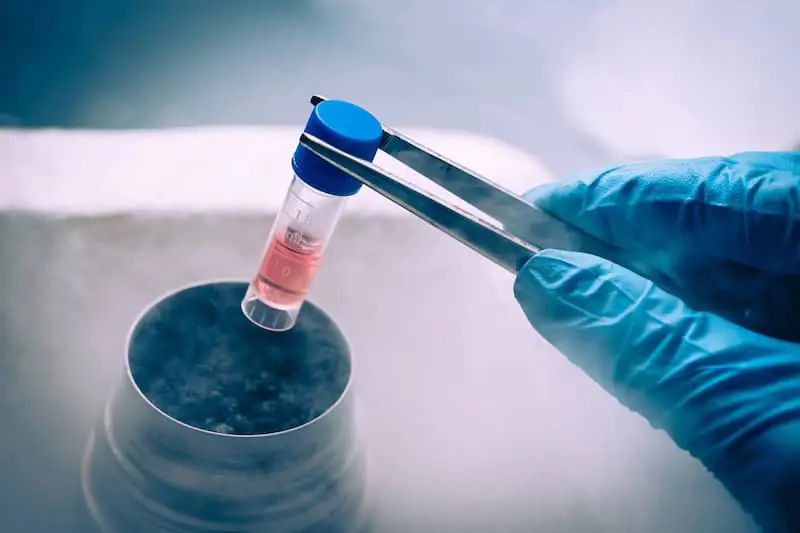
Systemic Lupus Erythematosus (SLE) is a complex autoimmune disease in which the immune system identifies its own tissues as foreign and attacks them.
Advances in stem cell technology today provide a scientific basis for re-regulating the immune system (immunomodulation) and repairing tissue damage, particularly in resistant cases.
What is Lupus (Systemic Lupus Erythematosus)? Symptoms and Stages
Lupus is a chronic disease that causes inflammation and tissue damage anywhere in the body (joints, skin, kidneys, blood cells, brain, heart, and lungs).
The disease typically progresses through periods of “flare-ups” and “remission” (improvement). While nonspecific symptoms such as fatigue and joint pain are seen in the early stages, organ involvement determines the clinical picture in the later stages.
Types of Lupus: SLE, Discoid, Drug-Induced, and Neonatal Lupus
Lupus is categorized based on its clinical presentation, and eligibility for stem cell therapy is assessed according to these types:
Systemic Lupus Erythematosus (SLE): The most common and severe type; it affects internal organs.
Discoid (Cutaneous) Lupus: Typically limited to the skin, causing rashes that leave permanent scars on the face and scalp.
Drug-Induced Lupus: Occurs after the use of certain medications and usually resolves when the medication is discontinued.
Neonatal Lupus: A rare condition seen in babies born to mothers with SLE, usually temporary.
Organ Involvement and Neuro-Lupus: Effects on the Central Nervous System
Approximately 50% of lupus patients experience nervous system involvement. This condition, known as Neuro-Lupus, can lead to severe headaches, decreased cognitive function (brain fog), seizures, and sometimes severe conditions such as psychosis.
Stem cell therapy aims to create a protective shield over nerve tissue by triggering mechanisms that can cross the blood-brain barrier, particularly in these neurological complications.
Traditional Lupus Treatments and the Difference with Stem Cells
While classic treatment methods focus on suppressing symptoms, stem cell therapy targets the underlying biological mechanism (immune system error) of the disease.
Limitations of Current Medications (Steroids and Immunosuppressants)
Corticosteroids and immunosuppressants used in traditional treatment are necessary to control inflammation; however, long-term use carries the following risks:
Increased susceptibility to infections.
Bone loss (osteoporosis) and organ damage.
Managing only the consequences (symptoms) rather than addressing the root cause of the disease.
The Mechanism of Action of Stem Cells: Immunomodulation and Tissue Repair
Stem cells, particularly Mesenchymal Stem Cells (MSC), behave like “smart cells” when introduced into the body:
Immunomodulation: Suppresses aggressive immune cells, restoring the system to its normal functioning.
Anti-inflammatory Effect: They stop damage to organs by secreting cytokines that reduce inflammation.
Cellular Repair: Provides the necessary growth factors for the regeneration of damaged tissues (especially kidney and nerve tissue).
| Feature | Traditional Drug Therapy | Stem Cell Therapy |
| Primary Goal | Suppress symptoms | Regulate and repair the immune system |
| Duration of Effect | As long as the medication is taken | Potential for long-term remission |
| Side effect profile | High (Risk of organ damage) | Low (The patient’s own cells are used) |
| Administration | Daily tablet/injection | Clinical application at specific intervals |
Prof. Dr. Erdinç Özek: “Stem cell applications in lupus treatment are a powerful option that comes into play when the patient does not respond to medication or when organ involvement (such as the kidneys or brain) poses a vital risk. Our goal is not only to stop flare-ups, but to permanently improve the patient’s quality of life.”
Types of Stem Cells Used in Lupus Treatment
Stem cells used in systemic diseases such as lupus are selected based on the patient’s clinical condition and the severity of organ involvement. Current clinical studies focus on two main cell types and the new-generation materials derived from them.
Mesenchymal Stem Cells (MSC)
Mesenchymal stem cells are typically obtained from the umbilical cord, adipose tissue, or bone marrow. Their greatest advantage in lupus treatment is that they calm the immune system by training only the aggressive cells, without “killing” the immune system.
Hypoantigenic Properties: These cells are not recognized as foreign by the immune system, so the risk of tissue rejection is minimal.
Homing: Injected MSCs follow inflammation signals in the body and travel directly to damaged kidney or nerve tissue.
Allogeneic Hematopoietic Stem Cell Transplantation (aHSCT): Resetting the Immune System
aHSCT is a preferred “reset” procedure in more aggressive and drug-resistant cases of Lupus.
The patient’s own blood-producing stem cells are collected, then the immune system is suppressed with high doses of drugs, and the purified stem cells are returned to the body with the aim of rebuilding the system without errors.
Exosome Therapy: A Targeted Extracellular Approach in Lupus
Exosomes are microvesicles secreted by stem cells. Rather than transplanting the cell itself, using these vesicles that carry the cell’s healing messages offers a targeted molecular treatment for specific Lupus symptoms such as vasculitis and skin rashes.
Expected Benefits and Success Rates of Stem Cell Therapy
Success in Lupus treatment is measured not only by the patient feeling better, but also by clinically significant medical improvements. Scientific literature (PMC9524813) reports marked biochemical improvement following stem cell applications.
Improvement in SLEDAI Score and Laboratory Data (ANA, Anti-dsDNA)
The most concrete indicator of treatment success is a decrease in the SLEDAI (Systemic Lupus Erythematosus Disease Activity Index) score.
Anti-dsDNA and ANA: Significant decreases in the levels of these antibodies, which indicate that the immune system is attacking its own DNA, are observed after treatment.
Complement (C3, C4) Levels: The return of these values to normal levels, which decrease when the disease is active, is evidence that the inflammation in the organs has subsided.
Remission Process: Reduction in Flare-ups and Decrease in Medication Load
The primary goal of stem cell therapy is to minimize the heavy doses of steroids and immunosuppressants that patients must take for life.
Flare-Up Control: The frequency and severity of attacks such as “butterfly rash” and joint swelling decrease.
Preservation of Organ Function: In patients with kidney involvement (lupus nephritis), a decrease in protein leakage may delay the need for dialysis.
| Parameter | Before Treatment | Post-Treatment (6-12 Months) |
| Cell Activity | Uncontrolled attack | Modulated response |
| Anti-dsDNA Level | High / Positive | Decreasing trend / Negative |
| Steroid Requirement | High dose (Dependent) | Minimum dose or complete discontinuation |
| Quality of Life | Low (Constant fatigue/pain) | High (Active social life) |
Prof. Dr. Erdinç Özek’s Recommendation: “The most common success we observe in our Lupus patients undergoing stem cell therapy is not only the improvement in test results; it is the patient’s ability to overcome morning stiffness and return to their daily activities without medication dependency. However, it should be noted that each patient’s genetic makeup and disease stage are different; therefore, the protocol must be tailored to the individual.”
Lupus Stem Cell Treatment Application Process and Safety
Stem cell application in Lupus (SLE) treatment is not merely a cell transplant; it is a comprehensive set of medical protocols. Every stage of the process is meticulously planned to ensure the immune system is properly modulated.
Pre-Treatment Preparation, Dosage, and Application Protocol
The treatment process begins with an assessment of the patient’s current disease activity (SLEDAI score) and organ function.
Preparation: The patient is checked for any infection foci. Any immunosuppressive drugs currently being used are adjusted in a controlled manner so as not to reduce the effectiveness of the cells.
Dosage: The number of cells to be administered (usually millions of cells per body weight) is calculated based on the patient’s weight, age, and especially the severity of kidney/nervous system involvement.
Administration: Mesenchymal stem cells are usually administered intravenously (through a vein). After passing through the lungs, the cells follow inflammation signals to reach damaged tissues.
Side Effect Management and Long-Term Follow-Up After Treatment
Stem cell therapy has a relatively safe profile compared to traditional chemotherapy-based methods.
Acute Monitoring: Mild fever or fatigue, rarely observed during administration, may be a natural indication of the cells interacting with the immune system and resolves quickly.
Long-Term Follow-Up: Check-ups are performed 1, 3, 6, and 12 months after treatment. During this process, not only symptoms but also complete blood counts, kidney function tests, and antibody (Anti-dsDNA) levels are closely monitored.
Stem Cell Treatment for Lupus and Clinical Selection in Turkey
Turkey hosts centers that rank among the top globally in terms of stem cell production and clinical application standards.
However, in a complex disease such as Lupus, clinical selection should be based not only on the quality of the cells but also on the expertise of the medical team.
Realistic Expectations and an Ethical Approach in Light of Scientific Literature
An honest approach to Lupus treatment involves clearly outlining the limitations of science rather than promising the patient a “definite cure.”
Realistic Expectation: Stem cell therapy may not completely reverse existing organ damage, but it can stop active inflammation, prevent new damage, and put the patient into a long-term drug-free remission period.
Ethical Standard: It is essential that the center performing the procedure obtains cells from a GMP (Good Manufacturing Practices) certified laboratory and transparently informs the patient about the risks and benefits.
Anonymized Case Analyses and Clinical Experiences
Clinical experience shows that stem cell therapy improves quality of life, especially in cases resistant to standard treatments:
Case 1 (Neuro-Lupus and Cognitive Impairment): A 34-year-old female patient experiencing severe “brain fog” and loss of balance despite high-dose steroid use. Six months after the mesenchymal stem cell (MSC) protocol, a marked improvement in cognitive function and a 50% reduction in medication load were recorded.
Case 2 (Lupus Nephritis and Proteinuria): A 29-year-old male patient at risk of dialysis due to kidney involvement. At the 12-month follow-up after cell transplantation, proteinuria was stabilized and kidney function was preserved.
Frequently Asked Questions
Does stem cell therapy completely cure Lupus?
In the medical literature, the goal is long-term remission, where the disease enters a dormant phase, rather than a definitive “cure.”
How long does the treatment process take?
The procedure is typically an outpatient procedure, and the intravenous cell transfer is completed in approximately 30 to 60 minutes.
Which type of stem cell is safer?
Mesenchymal stem cells (MSC) are considered the safest option because they do not carry the risk of tissue rejection and regulate rather than suppress the immune system.
When do the effects of the treatment begin to appear?
Clinical signs of improvement and laboratory value improvements typically become apparent 3 to 6 months after the procedure.
Does SGK or private insurance cover this treatment?
Since stem cell applications are currently classified as “supportive and innovative treatment” under most insurance plans, payment conditions vary from institution to institution.
Is there an age limit?
While there is no specific age limit, the patient’s overall health condition and the suitability of organ functions for the treatment are the determining criteria.
Expert Opinion and Appointment
Lupus (SLE) is a systemic disease that requires a complex and personalized approach. It is critical to obtain expert opinion to determine whether stem cell therapy is a suitable option for your condition, analyze the stage of the disease, and plan personalized treatment protocols.
To obtain detailed information about current stem cell applications in neuro-lupus and other organ involvement and to schedule an examination, you can contact Prof. Dr. Erdinç Özek’s clinic and make an appointment.
Scientific References and Sources
• Frontiers in Immunology (2022) – Comprehensive Analysis: https://pmc.ncbi.nlm.nih.gov/articles/PMC9524813/ (One of the most detailed clinical studies on Lupus and Mesenchymal Stem Cells.)
• Journal of Clinical Medicine (2023) – Current Status: https://pmc.ncbi.nlm.nih.gov/articles/PMC10381313/ (A recent report on the efficacy and safety of stem cell transplantation in SLE patients.)
• Cell Transplantation – Long-Term Follow-Up: https://pmc.ncbi.nlm.nih.gov/articles/PMC6719502/ (Scientific data on the long-term outcomes of Lupus patients who underwent stem cell transplantation.)