


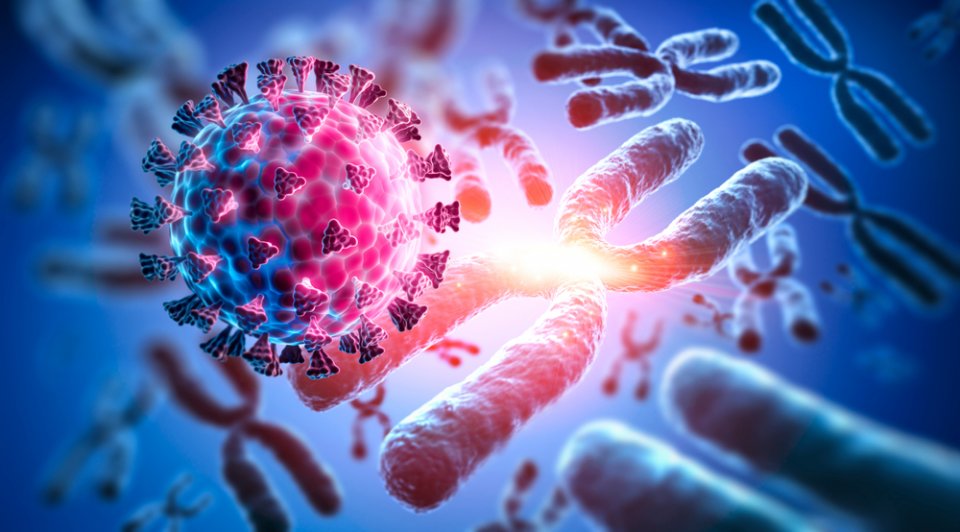
Stem cells are the fundamental building blocks found in the human body that are not yet specialized but have the potential to transform into different tissue and organ cells when needed.
These cells, which stand out for their ability to renew themselves and repair damaged tissues, act as a biological repair system for the body, initiating the regenerative process in areas that are aging, losing function, or exposed to trauma.
This cellular treatment approach, which has revolutionized both the management of chronic diseases and aesthetic and reconstructive surgery in modern medicine, can be processed in a laboratory environment using biotechnological capabilities and applied directly to the target area.
What Are Stem Cells?
A stem cell is a precursor cell within an organism that is not “programmed” to perform any specific function.
Unlike the heart, muscle, nerve, or skin cells in our body, the most distinctive feature of stem cells is their unlimited division capacity and their ability to acquire the characteristics of the tissue in the area where the signal is sent.
When an injury or tissue loss occurs, these cells migrate to the affected area (homing) and trigger the formation of new, healthy cells there.
This process not only replenishes what is missing but also creates a systemic wave of healing by secreting growth factors to the surrounding cells.
What Are Autologous Stem Cells? (Why Do We Use Our Own Cells?)
Autologous stem cell transplantation is the process of obtaining the cells used in treatment directly from the patient’s own body (usually abdominal fat tissue or bone marrow).
There are critical medical reasons for preferring the autologous method over allogeneic (donor-derived) cells:
Zero Risk of Rejection: Since the cells carry the person’s own genetic material, the immune system does not perceive these cells as “foreign” and does not show biological resistance.
Safety from Allergic Reactions: Since there is no introduction of a foreign protein or tissue, the risk of anaphylaxis or serious allergic reactions is eliminated.
Ethical and Practical Advantages: There is no need to search for a donor, and the cells can be processed quickly in a laboratory environment and re-injected into the patient on the same day or according to the planned treatment schedule.
Prof. Dr. Erdinç Özek: “The key to success in stem cell therapy is transplanting the right cell type at the right depth and in the appropriate concentration. Autologous systems allow us to initiate the healing process in its most natural form while ensuring the patient’s biological safety.”
Types and Characteristics of Stem Cells
Stem cells are primarily classified into three groups based on their developmental stages and differentiation potential (potency):
Embryonic Stem Cells: These are the highest-capacity cells obtained from the early stages of a fertilized egg and can transform into all cell types (pluripotent) in the body. However, their clinical use is quite limited due to ethical debates and the risk of uncontrolled proliferation.
Adult Stem Cells: These are cells found in various tissues of the body (bone marrow, adipose tissue, gum tissue, etc.) after birth. They generally tend to transform into the cells of the tissue in which they are found (multipotent).
Mesenchymal Stem Cells (MSC): These cells, which are abundant in adipose tissue and bone marrow, are the most preferred type in clinical applications due to their ability to transform into cartilage, bone, muscle, and adipose tissue, and their powerful anti-inflammatory effects.
What is Stem Cell Therapy?
Stem cell therapy is a biological intervention based on transplanting live stem cells obtained from specific tissues to damaged or aged areas in order to maximize the body’s self-healing capacity.
Unlike traditional surgical procedures, this method aims to stop cellular destruction in the affected area and trigger the formation of new, healthy tissue, rather than cutting the tissue or replacing it with an artificial material.
In modern medicine, this field, known as “Regenerative Medicine,” achieves maximum efficiency by purifying and activating cells taken from the patient’s own tissue in a laboratory environment.
In Which Fields Are Stem Cells Used?
The multipotent (ability to transform into multiple cell types) nature of stem cells makes them an indispensable tool in almost every branch of medicine.
While they are used in a wide range of applications today, from orthopedic joint disorders to systemic diseases, their results in tissue engineering and dermo-cosmetics are particularly noteworthy and have been described as a “cellular revolution.”
Skin Rejuvenation and Anti-Aging Applications
Over time, the production of fibroblasts in the skin slows down, leading to a loss of collagen and elastin, which in turn causes sagging and wrinkles. Stem cell therapy aims to reverse the biological age of the skin by injecting a fresh cell population into the aging area. This application:
Naturally filling in fine lines and deep wrinkles on the skin,
Restores skin elasticity (firmness),
Equalizing skin tone and achieving a brighter appearance.
Acne Scar, Scar, and Pigmentation Treatment
Deep acne scars and wound marks are caused by improper or incomplete healing of the tissue. Stem cells soften the fibrous (hardened) tissue in this area and allow it to be replaced by new skin cells.
Scar Treatment: Helps smooth the surface by filling sunken scars with new cells.
Scar Treatment: Stabilizes skin tone by regulating the activity of melanocyte cells, especially in cases of stubborn sun spots and melasma.
Stem Cell Support for Hair Transplantation and Hair Regrowth
In hair loss treatment, stem cells are used to both thicken existing hair strands and activate hair follicles in the resting phase.
With Hair Transplantation: Increases the survival rate of grafts taken from the donor area and doubles the healing speed in the transplanted area.
Hair Regrowth: It nourishes hair follicles in areas prone to hair loss, improving hair quality and density.
Prof. Dr. Erdinç Özek: “The ‘one-size-fits-all’ approach in cellular therapies is unscientific. Personalized dosages prepared by analyzing the patient’s skin structure, age, and cell quality are the most fundamental factors determining the success of the treatment.”
In Which Areas Are Stem Cells Used in Aesthetics?
In aesthetic surgery and medical aesthetics, stem cell applications offer “biological restoration” unlike temporary fillers administered externally.
Stem cell-enriched transfers are preferred, especially in facial rejuvenation, breast, and buttock aesthetics, to increase the permanence of fat injections.
With this method, when the patient’s own fat tissue is transferred after being converted into a serum enriched with stem cells, the survival rate (retention success) of the injected fat shows a significant increase compared to conventional methods.
Orthopedic Conditions (Knee Osteoarthritis, Cartilage Repair)
In the field of orthopedics, stem cell therapy is positioned as a last resort before surgical intervention or as an adjunct to surgery.
The very low self-healing capacity of cartilage tissue in joints makes stem cells vital in this field.
Knee Osteoarthritis (Osteoarthritis): Intra-articular injections are used to try to stop the wear and tear of the cartilage and manage pain by suppressing inflammation in the area.
Cartilage and Meniscus Repair: In sports injuries or age-related tears, tissue integrity is supported thanks to the ability of stem cells to transform into cartilage-like cells (chondrocytes).
Dermatology and Cosmetic Surgery (Skin Renewal, Scar Treatment)
In dermatological applications, mesenchymal stem cells penetrate the lower layers of the skin, initiating a “cellular signal.” The main approaches in this field are as follows:
Skin Rejuvenation: Repairing the cellular matrix damaged by sun exposure or aging.
Scar and Keloid Treatment: Minimizes the appearance of scars by improving tissue quality in areas affected by burn scars, surgical scars, and deep acne scars.
Chronic Wound Healing: Accelerates tissue closure by increasing blood flow and cell migration in difficult-to-heal conditions such as diabetic foot ulcers.
Current Approaches in Neurological and Systemic Diseases
One of the most exciting and strategic areas of stem cell research is the nervous system and chronic organ failure.
The limited regenerative capacity of nerve cells (neurons) is being addressed through stem cell technology.
Neurological Diseases: In Parkinson’s disease, MS (Multiple Sclerosis), and spinal cord injuries, the goal is to protect damaged nerve sheaths (myelin) and support communication between neurons.
Systemic Approaches: Clinical studies are ongoing for Type 1 diabetes, liver cirrhosis, and some autoimmune diseases due to their immunomodulatory effects.
Prof. Dr. Erdinç Özek: “Stem cell therapy for neurological and systemic diseases is still in the intensive research phase worldwide. It is critically important for our patients to follow current protocols based on evidence-based medicine rather than promises of ‘miracle solutions’.”
How is Stem Cell Therapy Performed? Step-by-Step Application Process
Stem cell therapy is not a random injection procedure; it is an interdisciplinary process involving the careful collection, processing, and delivery of biological material.
The success of the treatment depends on the cells being transferred without losing their viability and without compromising sterility.
Despite involving complex biological processes, stem cell therapy is a patient-focused procedure that is usually completed in a single session. The process proceeds as follows:
Assessment and Preparation: The patient’s clinical condition is examined, the appropriate cell source (adipose tissue or bone marrow) is determined, and the treatment area is sterilized and local anesthesia is administered.
Cell Collection (Harvesting): The necessary tissue sample is painlessly obtained from the designated donor site (usually the abdominal area or hip bone) using special cannulas or aspiration needles.
Laboratory Processing and Separation: The collected tissue is placed in a closed-loop centrifuge system or special laboratory kits to purify the stem cells from other tissue components.
Activation: The isolated stem cells are enriched with special biological factors to increase their activity and are prepared for injection in a highly concentrated form.
Cell Transfer: The prepared live stem cells are injected directly into the targeted damaged tissue or into the circulatory system via a vein, guided by imaging devices (ultrasound or fluoroscopy).
This step-by-step process is completed on the same day and under professional clinical conditions to preserve the viability of the cells.
Where and How Are Stem Cells Obtained? (Adipose Tissue and Blood Methods)
Although stem cells are found in many areas of the body, there are two main sources that yield the highest yield in clinical applications:
Adipose Tissue (Adipose Source): Adipose tissue from the abdomen or buttocks contains approximately 500 to 2500 times more mesenchymal stem cells than bone marrow. A small amount of tissue is harvested using special cannulas under local anesthesia, similar to a “mini-liposuction” procedure.
Blood (Peripheral Blood): This is preferred especially for immune system and systemic treatments. The target is the progenitor cells found in the blood drawn from the person’s arm.
How Are Stem Cells Obtained from Blood? (Process Details)
The process of obtaining stem cells from blood is more complex than a standard blood draw and is usually performed using a method called “apheresis”:
Mobilization: A few days before the procedure, special treatments may be administered to encourage stem cells in the bone marrow to enter the bloodstream.
Collection: The patient is connected to an apheresis machine. Blood is drawn from one arm, stem cells are separated using a centrifuge system inside the machine, and the remaining blood is returned to the patient through the other arm.
Duration: This procedure usually takes 2 to 4 hours and does not require hospitalization.
How Are Stem Cells Obtained? (Laboratory and Separation Stage)
The raw tissue (fat or blood) collected is not injected directly. It undergoes the following stages for cell purification:
Separation (Centrifugation): The material is spun in high-speed devices to remove heavy blood cells and fat particles.
Enzymatic Processing: If fat tissue is used, special enzymes are used to break down the tissue bonds that hold the cells together.
Activation: The purified stem cells obtained are “activated” with growth factors that trigger tissue repair.
How Are Stem Cells Administered? (Injection and Transfer Methods)
The prepared concentrated stem cell solution is transferred to the targeted treatment area via different methods:
Local Injection: Direct application with fine needles into the joint (orthopedics), scalp, or facial wrinkle lines (aesthetics).
Intravenous (IV) Administration: When systemic or neurological effects are expected, the cells are delivered into the circulatory system through a vein. The cells find the damaged area in the body themselves thanks to their “homing” (returning to the nest) property.
Surgical Transfer: During surgery, a “scaffold” enriched with stem cells can be placed on the damaged tissue (e.g., tendon rupture).
Prof. Dr. Erdinç Özek: “The precision of the technique used during the transfer of stem cells affects the rate of cell adhesion in that area by up to 40%. Therefore, the procedure must be performed in sterile clinical conditions with advanced technological equipment.”
Stem Cell Surgery
The process commonly referred to as “stem cell surgery” in the public domain is, in fact, an interventional medical procedure that often does not require a surgical incision.
However, when stem cells need to be harvested from the patient’s own adipose tissue (via liposuction) or bone marrow, this procedure is performed in a sterile operating room environment.
If stem cell transplantation is performed simultaneously with joint surgery, tendon repair, or tissue reconstruction, this is defined as a full-scale surgical intervention.
The primary goal here is to maximize the biological healing rate of the surgically repaired tissue with the power of stem cells.
Recovery Process and Expectations After Stem Cell Transplantation
The healing process is generally comfortable because stem cell therapy triggers the body’s natural repair mechanisms. However, it takes time and discipline for the cells to fully settle into the targeted tissue and begin biological activity.
The First 24 Hours After the Procedure and Precautions
The body’s adaptation process begins immediately after the procedure:
Mild Swelling and Sensitivity: Mild swelling, redness, or soreness in the area where the cells were injected or in the donor site (where the cells were taken) is to be expected.
Rest: Avoid strenuous physical activity on the day of the procedure to allow the body to devote its energy to cellular repair.
Ice Application: If recommended by your doctor, an indirect cold compress can be applied to the treatment area to control swelling.
Post-Treatment Protocols to Follow
The following rules are critical to maintaining treatment success and cell viability:
Use of Anti-inflammatory Medication: Stem cells initiate controlled inflammation (healing response) in the area. Therefore, unless your doctor specifies otherwise, the use of certain painkillers may be restricted in the first few weeks as they can halt cell activity.
Smoking and Alcohol Consumption: Smoking significantly reduces the chances of survival for newly transplanted stem cells by lowering oxygen levels in the blood.
Temperature Control: Avoid environments such as hot baths, saunas, or steam rooms for the first few days.
When Will Results Be Seen?
Stem cell therapy is not an immediate-results application like Botox or fillers; it is a long-term investment process:
Initial Effects (2-4 Weeks): Pain begins to subside or the skin begins to feel more vibrant as inflammation in the area decreases.
Real Change (3-6 Months): Cell differentiation and the production of new collagen/cartilage tissue peak during this period.
Maximum Effect: The tissue completely rebuilds itself, which takes 6 to 12 months depending on the application area and the patient’s age.
Prof. Dr. Erdinç Özek: “The ‘smart cell’ property of stem cells allows healing to occur over time. Being patient and adhering to the recommended medical protocols after the procedure are factors that affect the success of the treatment at a rate close to 100%.”
2026 Stem Cell Treatment Prices
Stem cell therapy is an advanced technology process that is personalized according to each patient’s biological needs, the extent of tissue damage, and the complexity of the protocol to be applied.
Therefore, rather than a standard price list, a cost estimate tailored to the patient is provided.
In accordance with Turkish healthcare regulations, it is not appropriate to directly state stem cell treatment prices on digital platforms for medical procedures; however, knowing the factors that shape the cost is critical for patients to make the right plans.
What Factors Determine the Cost of Stem Cell Therapy?
The main components that determine stem cell application costs are as follows:
Cell Source and Collection Method: Whether the stem cells are obtained from adipose tissue (SVF), bone marrow, or peripheral blood directly affects the cost, as it changes the technical equipment and process used.
Scope of Application: There is a difference in consumables and expertise between treating a single joint (e.g., knee) and a systemic neurological approach or a large-scale aesthetic surgery combination.
Laboratory Procedures: Simply isolating cells versus activating or purifying them in specialized devices requires different technological investments.
Combined Treatments: Supporting stem cell transplantation with laser, PRP, or surgical procedures determines the total treatment budget.
Is Stem Cell Therapy Expensive? (Cost-Benefit Balance)
At first glance, stem cell therapy may appear to have a higher initial cost than conventional methods (repeated medications, temporary fillers, or physical therapy sessions). However, when a cost-benefit analysis is performed, the situation changes:
Durability: Unlike temporary solutions, stem cells biologically repair tissue, so the results are much longer lasting.
Delaying/Avoiding Surgery: Particularly in orthopedic cases, a successful stem cell application can spare the patient from more costly and risky prosthetic surgery.
Quality of Life: The rapid recovery provided by cellular regeneration reduces work force loss, offering an indirect economic advantage.
The table below summarizes the fundamental differences between stem cell therapy and traditional methods, as well as its long-term advantages:
| Comparison Criteria | Traditional Methods (Medication/PRP/Cortisone) | Surgical Interventions (Prosthetics/Surgery) | Stem Cell Therapy (Regenerative) |
| Mechanism of Action | Suppresses symptoms (pain relief focused). | Replaces damaged tissue with artificial tissue. | Biologically repairs and renews tissue. |
| Recovery Period | None (Effect is temporary). | 3 – 6 Months (Rehabilitation is required). | 1–3 days (Quick return to daily life). |
| Hospitalization | Not required. | 3 – 7 days. | Not required (surgical procedure). |
| Long-term outcome | Requires continuous repetition. | Permanent, but revision may be necessary. | Long-term repair and natural tissue preservation. |
| Risk Factor | Risk of side effects (stomach, kidneys, etc.). | Infection and anesthesia risks. | Minimal (the person’s own cells are used). |
Is Stem Cell Therapy Covered by Social Security?
The status of stem cell treatments under social security coverage varies depending on the purpose of the application:
Standard Approved Treatments: Bone marrow (hematopoietic) stem cell transplants performed for certain blood diseases such as leukemia may be covered by SGK under certain conditions and with institutional approvals.
Aesthetic and Regenerative Applications: “Regenerative” applications aimed at improving aesthetic appearance and quality of life, such as knee osteoarthritis, hair transplantation, anti-aging, or scar treatment, are generally classified as “special procedures” under current legislation and are not covered by SGK.
Prof. Dr. Erdinç Özek: “Instead of cost-focused decisions, the sterility of the technology used and the experience of the physician performing the procedure should be your priority. Due to personal/commercial confidentiality and our medical ethics protocols, the most accurate cost analysis can only be shared after a detailed clinical examination and radiological tests.”
Frequently Asked Questions
To prevent misinformation in society about stem cell treatments and donation processes, we answer the most frequently asked questions from a scientific perspective.
What is Stem Cell Donation and How is it Done? (The Process of Becoming a Stem Cell Donor)
Stem cell donation is when a healthy individual voluntarily shares stem cells from their bone marrow to be transplanted to another patient. The process is usually performed using the peripheral blood collection method; after the donor receives cell-stimulating medication for a few days, blood is drawn from the arm using an apheresis machine, the cells are separated, and the donor can return to their normal life the same day.
How Are Stem Cells Transplanted?
The method of administering stem cells for treatment is determined based on the depth of the targeted tissue and the type of disease. The prepared concentrated cells can be injected directly into the damaged area using fine needles, or if systemic distribution is desired, they can be administered intravenously into the circulatory system.
How Are Stem Cells Collected?
Stem cells are collected by accessing the reserves in the person’s own tissues. If adipose tissue is preferred, a liposuction-like method is used with special cannulas, while if bone marrow is preferred, aspiration is performed by entering the bone cavity with special needles under sterile conditions. Both procedures are completed painlessly under local anesthesia or sedation.
Where Are Stem Cells Obtained From?
The richest sources of stem cells in our body are the adipose tissue in the abdominal region and the bone marrow in the hip bone (iliac crest). In addition, peripheral blood can also be used as a source in suitable patients.
Is There Such a Thing as Stem Cell Surgery?
There is no single type of surgery directly referred to by this name in the medical literature. However, the use of stem cells as a supportive element during a surgical operation (e.g., during tendon repair or bone grafting) has led to this procedure being referred to as stem cell surgery among the general public.
What Are the Risks of Stem Cell Therapy?
When autologous (taken from the patient themselves) stem cells are used, there is no risk of tissue rejection or allergy. However, as with any invasive procedure, there may be a risk of temporary swelling, bruising, or infection in environments where sterility is not maintained. Therefore, it is vitally important that the procedure is performed in a fully equipped clinical setting.
Expert Opinion and Appointment
Stem cell applications are medical procedures that vary depending on the patient’s general health and tissue characteristics. It is recommended to consult a specialist physician for more detailed information about the scientific protocols to be applied in each case, the expected results, and the procedure processes.
You can start your preliminary examination process by making an appointment with Prof. Dr. Erdinç Özek for clinical analysis of the medical suitability of stem cell treatments and the process. After the evaluation at our clinic in the Istanbul area, you will be provided with detailed information about the most appropriate current treatment approaches for your condition.
Scientific References
This content on stem cell therapies and regenerative medicine protocols is based on current studies and clinical guidelines available in the following international medical databases:
The Lancet: Clinical Applications and Future of Mesenchymal Stem Cell Therapies.
PubMed / National Institutes of Health (NIH): Autologous Stem Cell Transplantation for Orthopedic and Neurological Repair Protocols.
Nature Reviews Molecular Cell Biology: The Role of Stem Cell Niche in Tissue Regeneration and Healing.
Journal of Bone and Joint Surgery (JBJS): Efficacy of Bone Marrow Aspirate Concentrate (BMAC) in Osteoarthritis Treatments.
International Society for Cell & Gene Therapy (ISCT): Global Standards for Cell Processing and Clinical Applications.