


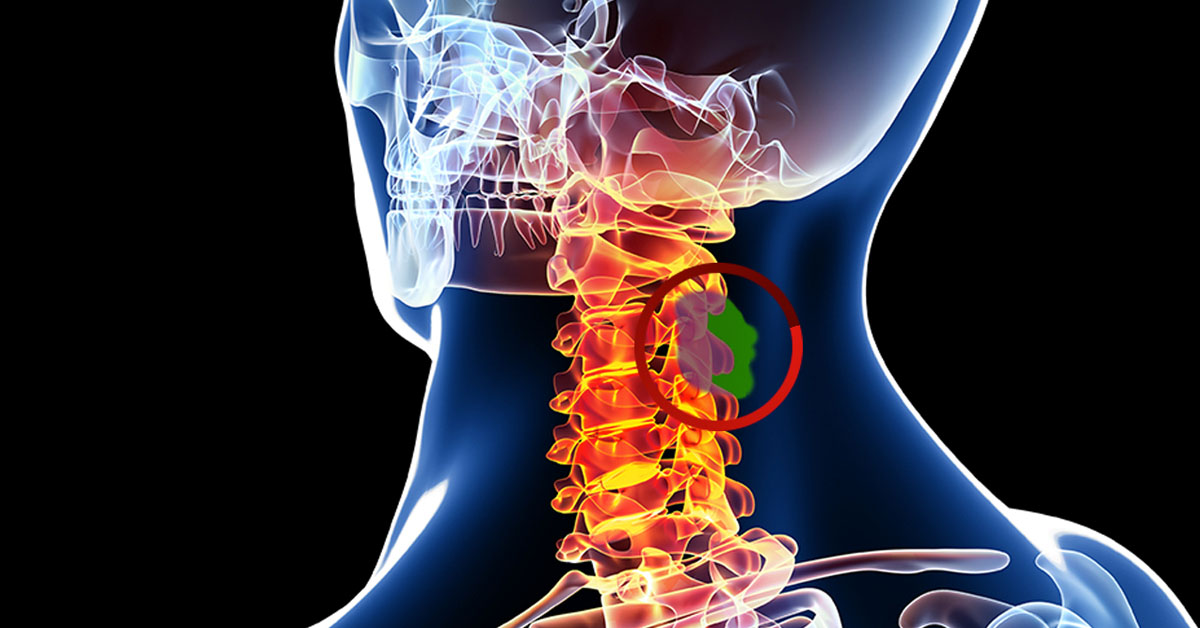
Spinal tumors are masses that develop in the bone structures forming the spinal column or in the nerve tissues within the spinal canal. These masses can cause pain by disrupting the stability of the spine, as well as cause functional loss by putting pressure on nerve tissues.
What is a Spinal Tumor? Types and Classification
Spinal tumors are classified based on their origin and biological behavior. The treatment plan is personalized according to the tumor’s classification.
Primary and Secondary (Metastatic) Tumors
Primary Tumors: These are masses that originate directly from the spine’s own cells (bone, cartilage, or nerve). They are rare.
Secondary Tumors: These are cancers that have spread to the spine from another part of the body (such as the lungs, breast, or prostate). The vast majority of spinal tumors fall into this category.
Benign and Malignant Distinction
Benign tumors generally grow slowly but can cause pressure due to the limited space in the area where they are located. Malignant tumors, on the other hand, tend to spread to surrounding tissues and can rapidly weaken the structure of the spinal bone.
What Are the Symptoms of a Spinal Tumor?
While symptoms vary depending on the tumor’s location and size, the most characteristic finding is night pain that does not subside with rest.
Persistent Back and Waist Pain: Pain that is independent of physical activity, worsens at night, and is localized.
Neurological Losses: Numbness, tingling, and progressive weakness in the arms or legs.
Mechanical Pain: Severe pain that worsens with movement due to microfractures caused by the tumor weakening the bone structure.
Spinal Tumor Surgery and Surgical Approaches
The primary goal of surgical intervention is to relieve pressure on the spinal cord (decompression), remove the tumor completely if possible, and restore the spine’s load-bearing capacity.
Surgical Technique Comparison Table
| Method | Purpose | Technical Details | Recovery Process |
| Total Spondylectomy | Tumor Removal | Removal of the spinal bone along with the tumor | 8 – 12 Weeks |
| Decompression | Nerve decompression | Removal of the part narrowing the spinal canal | 4 – 6 weeks |
| Stabilization | Providing support | Fixation with screws and titanium rods | 6 – 8 weeks |
Recommendations from Prof. Dr. Erdinç Özek
“The most critical point in spinal tumor surgery is to preserve the patient’s motor functions while removing the tumor. If we are dealing with a metastatic tumor, our goal is to relieve the patient’s pain and prevent them from becoming bedridden. The biopsy and genetic mapping performed before surgery tell us which surgical technique or radiotherapy combination will be more effective. Remember, not every tumor requires surgery; sometimes minimally invasive methods offer a much higher quality of life.”
Clinical Experiences and Case Example
Anonymous Case Analysis: A 62-year-old male patient presented with a history of lung cancer and severe back pain. An MRI scan revealed a compression fracture at the T10 vertebra due to metastasis and spinal cord compression. Prof. Dr. Erdinç Özek performed palliative decompression and stabilization surgery, relieving the pressure on the spinal cord and supporting the spine with titanium screws. The day after the surgery, the patient’s pain decreased by 80%, he began to walk, and he regained the physical condition necessary to continue his oncological treatment (radiotherapy).
Safety in Spinal Surgery: Neuromonitoring
During spinal tumor surgeries, we work very close to the nerve roots. Neuromonitoring technology allows us to monitor the patient’s nerve signals on a screen during the surgery. If a surgical maneuver poses a risk to the nerve, the system immediately alerts us, helping to prevent permanent damage.
Frequently Asked Questions About Spinal Tumors
Does a spinal tumor always mean cancer?
Spinal tumors can be either benign or malignant (cancerous); metastatic masses resulting from cancer spreading from another part of the body also fall into this category.
How is damage to the spinal cord prevented during surgery?
Thanks to neuromonitoring technology, which continuously monitors nerve signals during surgery, the surgeon is immediately alerted when approaching nerve tissue, minimizing the risk of permanent damage.
How is back pain caused by a tumor distinguished?
Unlike mechanical back pain, pain associated with spinal tumors usually does not go away with rest, worsens at night, and may be accompanied by symptoms such as weight loss over time.
Does spinal tumor surgery cause paralysis?
Thanks to advanced microsurgical techniques and intraoperative imaging systems, the risk of paralysis due to surgery is very low; on the contrary, surgery is performed to prevent paralysis that would result from the pressure exerted by the tumor.
Is radiation therapy or chemotherapy required after surgery?
Depending on the type of tumor and the pathology results, oncological treatments may be planned with a multidisciplinary approach to prevent recurrence or eliminate remaining cells after surgery.
How does the spine carry the body after the tumor is removed?
To maintain the spine’s load-bearing capacity, titanium screws, rods, or special cage systems are placed in place of the bone tissue removed along with the tumor, ensuring complete stabilization.
Professional Evaluation and Appointment
The management of spinal tumors requires the coordinated work of surgical and oncological units. You can contact Prof. Dr. Erdinç Özek’s clinic for information about treatment options and personalized surgical planning. You can make an appointment at our center in Istanbul and seek expert advice through a multidisciplinary approach.
Scientific References
Spine (Philadelphia): Surgical Management of Spinal Metastases: Evidence-Based Recommendations. https://journals.lww.com/spinejournal
The Lancet Oncology: Trends in the treatment of primary malignant spinal tumors. https://www.thelancet.com/oncology
PubMed (NIH): Intraoperative neuromonitoring in spinal tumor resection. https://pubmed.ncbi.nlm.nih.gov