


Spasticity is a condition characterized by excessive muscle stiffness and uncontrolled muscle contractions resulting from damage to the central nervous system. This condition, which is particularly seen in cerebral palsy (CP), spinal cord injuries, and after a stroke, can limit the patient's ability to move and cause severe pain.
What is Spasticity? What are its Causes and Symptoms?
Spasticity occurs when the parts of the brain or spinal cord that control muscle movement are damaged. The muscles are constantly tense and lose their normal flexibility.
Spasticity Associated with Cerebral Palsy and Spinal Cord Injuries
In cerebral palsy, spasticity usually develops due to brain damage occurring before or during birth; in adults, traumatic spinal cord injuries or MS (Multiple Sclerosis) are among the most common causes.
What Complications Can Arise if Spasticity Is Not Treated?
Contractures: Permanent shortening of muscles and joints.
Deformities: Permanent skeletal deformities (especially in the hips and spine).
Hygiene Issues: Muscles become so stiff that caregivers cannot perform hygiene tasks or dress the patient.
Baclofen Pump (Intrathecal Baclofen Therapy)
When oral medication is insufficient or causes serious side effects, the Baclofen Pump is the gold standard.
What Is a Baclofen Pump and How Does It Work?
It is a computerized device implanted under the skin in the abdominal area. It delivers the medication (Baclofen) directly into the spinal fluid (intrathecal space). This provides a much stronger muscle relaxant effect with only one-thousandth of the dose taken orally.
Pump Refill and Programming Process
As the medication in the pump runs out (approximately every 3-6 months), it is refilled in an outpatient setting using a needle through the skin. The medication dose can be adjusted with millimeter precision via an external computer according to the patient's needs.
Selective Dorsal Rhizotomy (SDR) Surgery
SDR is a permanent surgical method applied to the nerve roots in the spinal cord to reduce spasticity.
What is SDR Surgery? Who is it Suitable for?
It is preferred especially for children with cerebral palsy who have pronounced spasticity in their legs. During the surgery, the faulty sensory nerve roots that send excessive contraction signals to the muscles are identified one by one using electrical tests and cut.
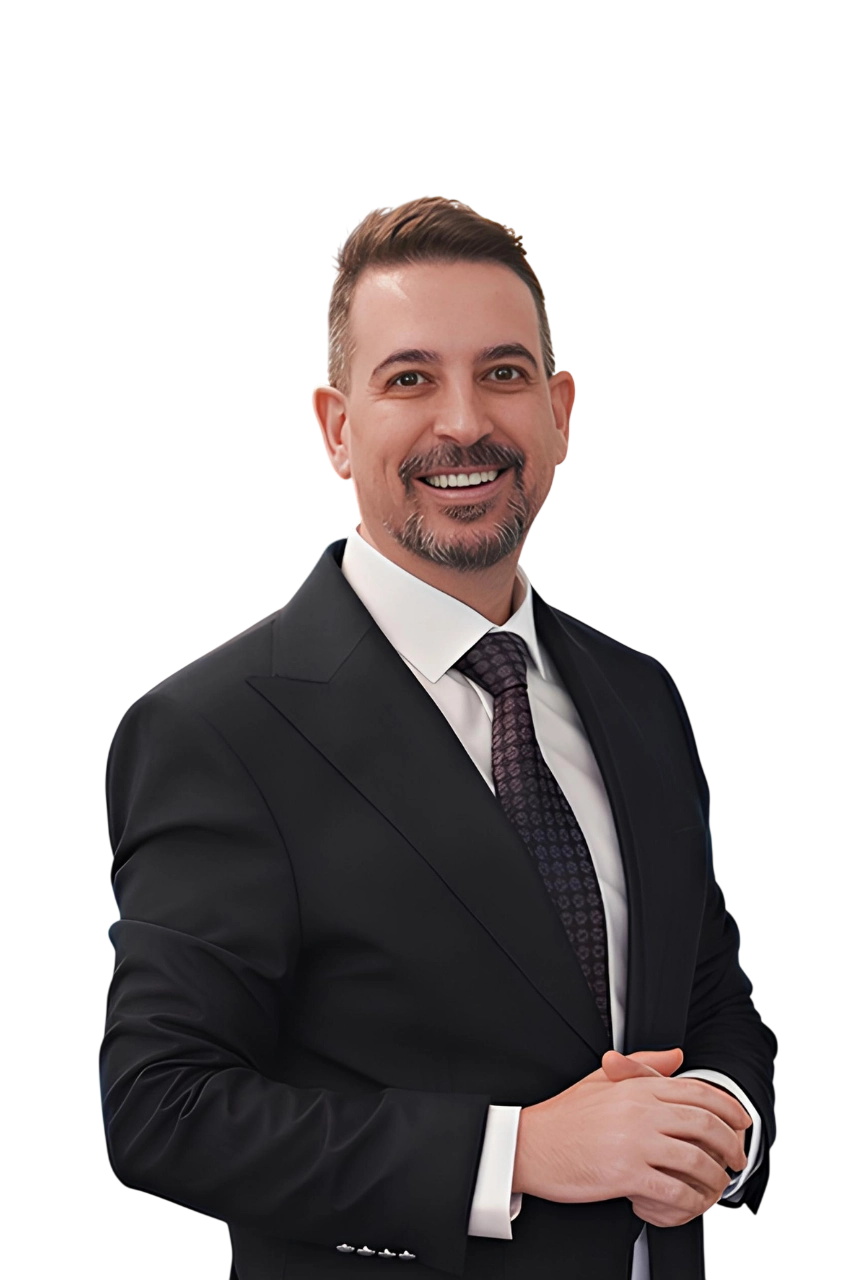
Recommendations from Prof. Dr. Erdinç Özek: "Spasticity surgery is not a miracle in itself, but a key that opens a door. The surgery reduces spasticity, but to walk through this door, an intensive physical therapy program lasting at least 6-12 months after surgery is essential. The determination of the family and the rehabilitation team is the foundation of success."
Baclofen Pump or SDR? Choosing the Right Method
This table comparing treatment methods serves as a guide in the decision-making process:
| Feature | Baclofen Pump | Selective Dorsal Rhizotomy (SDR) |
| Permanence | Reversible (Pump can be removed) | Permanent procedure |
| Area of Effect | Entire body or lower extremity | Especially the legs (lower extremity) |
| Intervention | Requires periodic medication refills | Single surgical procedure |
| Recovery | Rapid, low surgical burden | Requires long-term intensive physical therapy |
Clinical Experiences and Case Study
Anonymous Case Analysis: An 8-year-old patient diagnosed with Cerebral Palsy (Spastic Diplegia). Due to toe-walking and hip contractures, the patient was unable to use a walking device. Following SDR surgery and one year of intensive rehabilitation, spasticity was reduced by 70%. The patient is now able to move independently with a walker and is fully compliant with physical therapy exercises.
Frequently Asked Questions
Is the baclofen pump surgery risky?
The pump implantation procedure does not involve direct intervention in brain tissue; since the device is placed in the abdominal area and the catheter is placed in the spinal canal, the risk profile is lower compared to major brain surgery.
Does SDR surgery provide a permanent solution?
Selective Dorsal Rhizotomy (SDR) provides lifelong neurological relief by reducing spasticity based on the principle of cutting faulty nerve roots.
When should the baclofen pump be refilled?
Depending on the dose and concentration of the medication, refilling is typically required every 3 to 6 months in an outpatient setting, using a special needle without the need for surgical intervention.
Is it possible to walk immediately after spasticity surgery?
The surgery immediately reduces muscle stiffness, but a long-term and disciplined physical therapy process is required after the operation for weak muscles to strengthen and for the patient to adapt to the new movement pattern.
Can SDR surgery be performed on every spastic patient?
The ideal candidates for SDR are children with cerebral palsy who have pronounced spasticity in their legs, relatively good trunk control, and a level of mental development that allows them to adapt to rehabilitation.
What happens when the pump's battery runs out?
When the battery life expires (approximately 5-7 years), the generator unit in the abdomen is replaced with a new one through a small incision under local or general anesthesia; the catheter system in the spinal cord is not touched.
Scientific References
Journal of Neurosurgery: Long-term outcomes of Selective Dorsal Rhizotomy. https://thejns.org
The Lancet Neurology: Intrathecal baclofen for severe spasticity. https://www.thelancet.com
PubMed (NCBI): Spasticity management in Cerebral Palsy: Surgical vs Medical. https://pubmed.ncbi.nlm.nih.gov
Professional Consultation and Appointment
Spasticity surgery requires a multidisciplinary approach. To evaluate the suitability of treatment options for your child or patient, you can schedule an appointment at Prof. Dr. Erdinç Özek's clinic and obtain detailed information about the processes.