


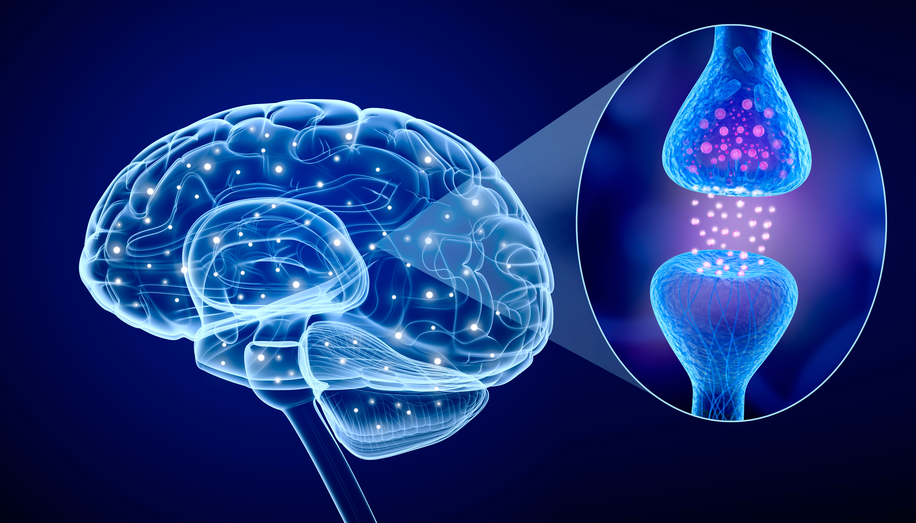
Parkinson’s disease is a neurodegenerative process that affects the central nervous system, is progressive, and can significantly limit quality of life.
While traditional treatment methods generally focus on supplementing the missing dopamine externally, regenerative medicine applications offered by modern medicine target the direct repair of damaged tissue.
What is Stem Cell Therapy for Parkinson’s Disease?
Stem cell therapy for Parkinson’s disease is a biological intervention that aims to restore lost functions by utilizing the body’s natural repair mechanisms.
This method focuses not only on suppressing symptoms but also on stopping or slowing down the underlying cellular destruction of the disease.
Dopaminergic Neuron Loss and Cellular Repair Mechanism
At the core of Parkinson’s disease lies the death of dopamine-producing neurons in the brain responsible for movement control.
Stem cells, thanks to their “pluripotent” (multi-talented) structure, have the potential to transform into dopamine-producing cells under appropriate laboratory conditions and clinical protocols.
The treatment aims to integrate these new cells into existing neural networks and restore dopamine balance through natural pathways.
The Restorative Effect of Stem Cells in the Substansia Nigra Region
The substantia nigra (black core) region of the brain is the area most affected by Parkinson’s disease. After stem cell transplantation or infusion, the cells migrate to this region (homing effect) and suppress inflammation. This process triggers the release of neurotrophic factors, which also help protect healthy cells in the surrounding tissues.
Types of Stem Cells Used in Parkinson’s Treatment
Each patient’s clinical picture is different; therefore, the type of cell used must be determined on an individual basis.
Mesenchymal Stem Cells and Their Anti-Inflammatory Advantages
These cells, typically obtained from the patient’s own adipose tissue (SVF) or umbilical cord connective tissue (Wharton’s jelly), possess potent immune-modulating effects.
By reducing inflammation in the brain (microglia activation), they increase the survival chances of existing neurons.
Fetal Stem Cell Applications and Neural Differentiation
Fetal stem cells are the cell types with the highest rate of transformation into neural tissue. The greatest advantage of these cells is their ability to transform into specific neuron types (dopaminergic) that are lacking in Parkinson’s patients, which is more pronounced than in adult stem cells.
Induced Pluripotent Stem Cells (iPSC) and Personalized Treatment
In this method, considered the pinnacle of modern medicine, the patient’s own skin or blood cells are reprogrammed back into an embryonic stem cell form in a laboratory setting.
Within the scope of personalized medicine, the risk of the body rejecting the cell (immunological reaction) is minimized with this method.
Prof. Dr. Erdinç Özek: Expert: “Success in Parkinson’s treatment depends on the principle of ‘the right cell type at the right time’. As the disease progresses, the cellular reserve decreases; therefore, evaluating regenerative treatments before motor skills are completely lost can maximize the effectiveness of the treatment.”
Parkinson’s Exosome Therapy: Overcoming the Blood-Brain Barrier
The biggest obstacle faced by traditional drugs and even some cells is the “Blood-Brain Barrier” (BBB) that protects the brain. Exosomes are natural nano-carriers that can cross this barrier.
Targeted Treatment with Nano-Sized Vesicles
Exosomes are small vesicles secreted by stem cells, measuring 30-150 nanometers in size.
Because they are much smaller than the cells themselves, they can directly infiltrate brain tissue when administered intravenously or intranasally (through the nose). This offers a comfortable application option that reduces the risk of surgical intervention.
The Role of Exosomes in Reducing Alpha-Synuclein Protein Accumulation
One of the main factors contributing to the progression of Parkinson’s disease is the abnormal folding and accumulation of proteins called alpha-synuclein in the brain. Next-generation exosome therapies aim to deliver genetic material and proteins that assist in the clearance (autophagy) of these toxic accumulations directly to the target area.
Treatment Methods Comparison Table
| Feature | Mesenchymal Stem Cells | Exosome Therapy | Drug Therapy (L-Dopa) |
| Primary Purpose | Tissue repair and immunity | Cellular signaling and cleansing | Symptom suppression |
| ENT Transition | Limited | Very High | High |
| Application | Intravenous / Intrathecal | Intranasal / Intravenous | Oral |
| Durability | Long-term repair | Mid-term signal transmission | Short-term (a few hours) |
Process Analysis:
In light of the above information, a comprehensive neurological evaluation is required to determine the appropriate protocol for your patient’s clinical condition. For detailed information and scientific consultation, you can make an appointment at our clinic in the Istanbul area and consult with Prof. Dr. Erdinç Özek.
Stem Cell Treatment Protocol and Application Methods
Stem cell therapy for Parkinson’s disease is a process that requires surgical and biological precision rather than standard medication use.
The treatment protocol is carried out according to a schedule determined based on the patient’s age, stage of the disease, and existing neurological damage.
How Many Sessions Does the Treatment Last? Intravenous and Intranasal Applications
In our clinical practice, the process is generally not limited to a single session but may include a protocol of 3 to 5 sessions to reinforce the effect of the cells on the tissue.
Intravenous (Vein): Ensures that the cells enter the systemic circulation and reduce general inflammation in the body.
Intranasal (Nasal Route): Targets nano-sized vesicles such as exosomes to bypass the blood-brain barrier via the olfactory nerves and reach the cerebrospinal fluid and brain parenchyma directly. This method maximizes patient comfort as it does not involve surgical risk.
Personalized Treatment Plan and Patient Eligibility Criteria
Dopaminergic neuron loss does not progress at the same rate in every patient. Therefore, mapping is performed using advanced imaging techniques (PET or MRI) and neurological scales prior to treatment. Patients in the early and middle stages generally tend to respond more quickly to cellular therapy; however, supportive protocols can also be applied in advanced stages to provide symptomatic relief and slow progression.
Combined Approach: Stem Cell, Exosome, and TMS Synergy
Instead of simply transplanting cells, a multifaceted strategy is pursued to support the survival of transplanted cells in the brain and their establishment of active synapses.
Neural Activation with Transcranial Magnetic Stimulation (TMS)
TMS is a non-surgical method that activates neurons by sending electromagnetic waves to targeted areas in the brain.
TMS sessions administered simultaneously with or immediately after stem cell and exosome therapy enhance the brain’s neuroplasticity (self-renewal) capacity.
It provides the electrical stimulation necessary for newly settled or repaired neurons to become functional.
The Effect of Combined Treatment on Motor and Non-Motor Symptoms
When the structural repair of stem cells is combined with the electrical activation of TMS, a more stable improvement in dopamine levels can be observed.
This synergy targets not only movement disorders but also the cognitive side effects of Parkinson’s, which are at least as debilitating as motor symptoms.
Treatment Success Rate and Contributions to Quality of Life
Recent data in the literature and our clinical observations show that regenerative therapies provide varying degrees of improvement in quality of life in over 70% of patients.
Improvement in Tremor, Movement Slowness, and Balance Issues
Following successful cell adhesion, patients report less tremor and smoother movement, particularly during “off” periods (when medication effects diminish).
As muscle stiffness (rigidity) decreases, noticeable improvements in walking balance and performing daily simple tasks (such as buttoning a shirt or eating) can be observed.
Improvements in Sleep Disorders and Cognitive Functions
The neuroprotective effect of exosomes and stem cells helps repair the centers that regulate the sleep-wake cycle.
Improvements in depression, anxiety, and “mask face” expression, which are common in patients, support adaptation to social life.
Recovery Process and Expected Effects Table
| Period | Expected Changes | Application Focus |
| 0 – 1 Month | Reduction in inflammation, increase in energy | Cell homing |
| 1 – 3 Months | Stabilization of motor skills, improved sleep quality | Neural activation (TMS support) |
| 3 – 9 months | Significant reduction in tremor and movement slowness | Strengthening of synaptic connections |
Prof. Dr. Erdinç Özek: “Cell therapies are not a miracle, they are a biological process. To get the most out of the treatment, the patient must support it with their diet, exercise routine, and neuro-rehabilitation process. Patience and discipline are the most important partners in regenerative medicine.”
Analysis and Case Note:
Based on our anonymized clinical data, in a case that has been battling Parkinson’s for over 10 years, a 30% reduction in medication dosage and a significant decrease in the UPDRS (Unified Parkinson’s Disease Rating Scale) score were recorded after combined treatment. Each patient’s course is unique.
To create a personalized roadmap for your Parkinson’s journey and evaluate current treatment options, you can schedule an appointment with Prof. Dr. Erdinç Özek at our center in Istanbul.
Frequently Asked Questions
Is Parkinson’s stem cell therapy a definitive solution?
Based on current medical data, this method should be considered not as a definitive solution, but as a regenerative support that aims to slow the progression of the disease and repair lost cellular functions.
Is there an age limit for treatment?
While there is no specific age limit, the patient’s overall health and neurological reserve are determining factors; a stronger cellular response has been observed in patients in the early and middle stages.
Does stem cell therapy completely eliminate the need for medication?
The primary goal of the treatment is to reduce medication dosage and side effects; however, the decision to completely discontinue medication is made during the process under the supervision of a neurologist, based on the patient’s rate of improvement.
Is hospitalization required after the procedure?
Applications performed intravenously and intranasally are generally outpatient procedures, and patients can return to their daily lives on the same day.
Are there any side effects?
When the person’s own cells or compatible exosomes are used, the risk of allergic reactions is very low; apart from short-term sensitivity at the application site, permanent side effects have rarely been reported in the literature.
When does the effect of the treatment begin to appear?
Since cellular repair is a biological process, the first effects are usually seen from the second month onwards in the form of stabilization of motor skills and improvement in sleep quality.
Clinical Evaluation and Appointment Process
Stem cell and exosome applications in Parkinson’s disease are advanced medical techniques that must be customized according to each patient’s neurological condition.
The success of the treatment depends on the transfer of cells or vesicles at the correct stage and in the correct dosage.
The most important step in this process is a comprehensive preliminary examination and analysis of radiological tests by a specialist physician.
To determine the course of the disease, the details of the treatment protocols, and your personalized recovery schedule, you can schedule a clinical consultation with Prof. Dr. Erdinç Özek.
Scientific References
PubMed (National Library of Medicine): The Use of Exosomes as Cell-Free Therapy in Parkinson’s Disease https://pubmed.ncbi.nlm.nih.gov/33215160/
ScienceDirect / Stem Cell Reports: Safety and Efficacy of Neural Progenitor Cells Derived from Human Embryonic Stem Cells in Parkinson’s Disease Models https://www.sciencedirect.com/science/article/pii/S221367112030062X
Frontiers in Neurology: Transcranial Magnetic Stimulation (TMS) and Neuroplasticity in Neurodegenerative Diseases https://www.frontiersin.org/articles/10.3389/fneur.2020.00753/full
Journal of Parkinson’s Disease: A Review on the Anti-Inflammatory Effects of Mesenchymal Stem Cells in Parkinson’s Disease https://journals.sagepub.com/home/pkn