


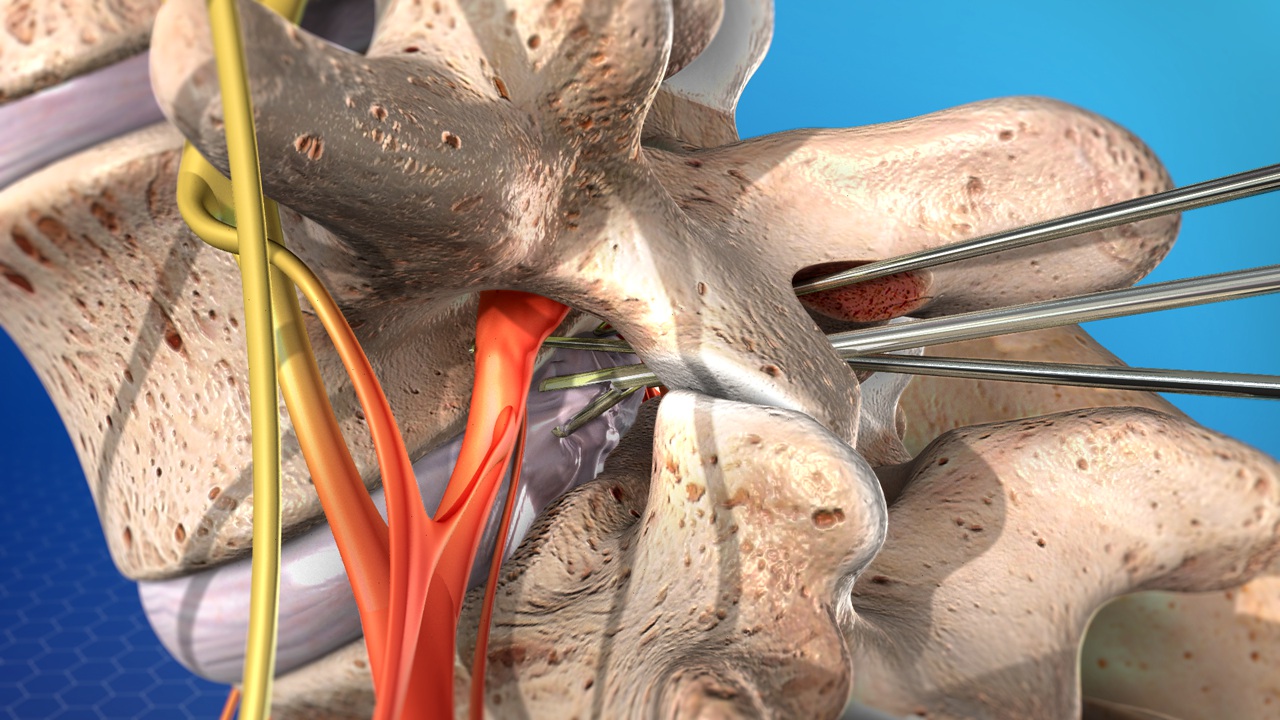
When surgical intervention is required for lumbar and cervical hernia treatment, microsurgery is currently the most reliable and tissue-friendly approach. Performed under high-resolution microscopes, this procedure protects nerve tissues with millimeter precision, enabling patients to return to their daily lives quickly.
What is Microsurgery? How is it Applied in Hernia Treatment?
Microsurgery is a technique in which the surgical field is magnified 20 to 40 times with the help of surgical microscopes. This method allows the surgeon to clearly distinguish fine nerve fibers and blood vessels that are impossible to see with the naked eye.
Basic Principles and Technological Infrastructure of the Microsurgery Method
The fundamental principle is to cause minimal damage to healthy muscle, bone, and nerve tissue while reaching the herniated tissue. Thanks to advanced lighting and optical magnification systems, the focus is solely on the area where the herniation is located.
Differences Between Traditional Surgery and Microsurgery
While traditional open surgery requires large skin incisions and muscle stripping, microsurgery requires only an incision of approximately 1.5-2 cm. This directly affects post-operative pain and recovery time.
Microdiscectomy for Lumbar Herniated Disc Surgery
Microdiscectomy, the gold standard in herniated disc surgery, is performed on patients with severe pain radiating to the leg, loss of strength, or functional impairment.
In Which Lumbar Disc Herniation Cases Is Microsurgery Preferred?
Microsurgery is the preferred option in cases where pain persists despite medication, physical therapy, and rest, where there is progressive muscle weakness, or where urinary/bowel control issues (Cauda Equina Syndrome) develop.
How Is Microdiscectomy Surgery Performed?
While the patient is under general anesthesia, a small incision is made in the herniated area. With the aid of a microscope, the nerve root is gently pulled aside and the herniated disc fragment pressing on the nerve is removed.
Microsurgical Neck Herniation Surgery
In cervical herniation, microsurgery is typically performed through a small incision made in the front part of the neck (anterior).
Who is Micro-Surgery for Neck Hernia Suitable For?
It is suitable for patients experiencing severe pain, numbness, and decreased hand function in the arms who have not benefited from conservative treatments.
The Process of Cervical Disc Herniation Surgery Using the Microsurgical Method
After relieving the pressure on the spinal cord and nerve roots under a microscope, a special “cage” or prosthesis is usually placed in the disc space to maintain spinal stability.
Advantages and Benefits of Microsurgical Surgery
Microsurgery offers patients numerous advantages both surgically and cosmetically:
Small Incision: Less trauma to the tissues.
Minimal Blood Loss: Bleeding control is high because blood vessels are clearly visible under the microscope.
Faster Recovery: Patients typically get up on the day of surgery or the next day.
| Feature | Traditional Open Surgery | Microsurgical Method |
| Incision Size | 5-10 cm | 1.5-2 cm |
| Hospital Stay | 3-5 days | 1 day |
| Return to Normal Life | 4-6 weeks | 1-2 weeks |
| Tissue Damage | High | Minimal |
Recommendations from Prof. Dr. Erdinç Özek
“Instead of being afraid of hernia surgery, you should be afraid of delaying it. Thanks to microsurgery, the risk of nerve damage is extremely low. However, remember that half of the success of surgery is the operation itself, and the other half is the movement discipline you will follow in the first month after surgery. Protecting your spine should be a way of life.”
Clinical Experiences and Case Example
Anonymous Case Analysis: A 42-year-old patient presented with a risk of foot drop (paralysis) in the left leg. MRI scans revealed a ruptured hernia at the L4-L5 level. The pressure on the nerve was relieved with a 40-minute operation using the microsurgical (microdiscectomy) method. The patient was walking 4 hours after the surgery, returned to office work on the 15th day, and muscle strength returned to normal in the 3rd month.
Frequently Asked Questions
How long does a herniated disc surgery using microsurgery take?
The duration of the surgery varies depending on the structure of the herniation and whether it is single or double-level, but it is generally completed within 45 to 60 minutes.
When can I get out of bed after surgery?
Because the microsurgical method causes minimal tissue damage, patients can usually get up and walk 4-6 hours after surgery.
Is it necessary to have the stitches removed after hernia surgery?
In most cases, aesthetic and self-dissolving stitches are used, so there is no need for stitch removal, and the scar remains minimal.
When can I take a shower after surgery?
Depending on the skin closure method, bathing is usually permitted 3 to 5 days after surgery with special waterproof dressings or according to the healing of the wound site.
When can exercise be resumed after microsurgery?
Walking can be started immediately; however, swimming and light exercises are generally permitted after the 4th week, while heavy sports and active training are typically allowed after the completion of the 3rd month.
Is surgery a definitive solution, or can the hernia recur?
Microsurgery is highly successful in removing the existing hernia; however, there is always a 5-10% risk of recurrence if the patient continues to lift heavy objects or maintain poor sitting habits.
Scientific References
The New England Journal of Medicine (NEJM): Surgery versus Prolonged Conservative Treatment for Sciatica. https://www.nejm.org
Journal of Neurosurgery: Spine: Microdiskectomy for Lumbar Disk Herniation. https://thejns.org
PubMed (NIH): Clinical outcomes of microvascular decompression and microdiscectomy. https://pubmed.ncbi.nlm.nih.gov
Professional Consultation and Appointment
To evaluate microsurgical solutions for your back or neck herniation complaints, you can contact Prof. Dr. Erdinç Özek’s clinic. By making an appointment at our center in Istanbul, you can get detailed information about modern diagnostic methods and personalized treatment plans.