


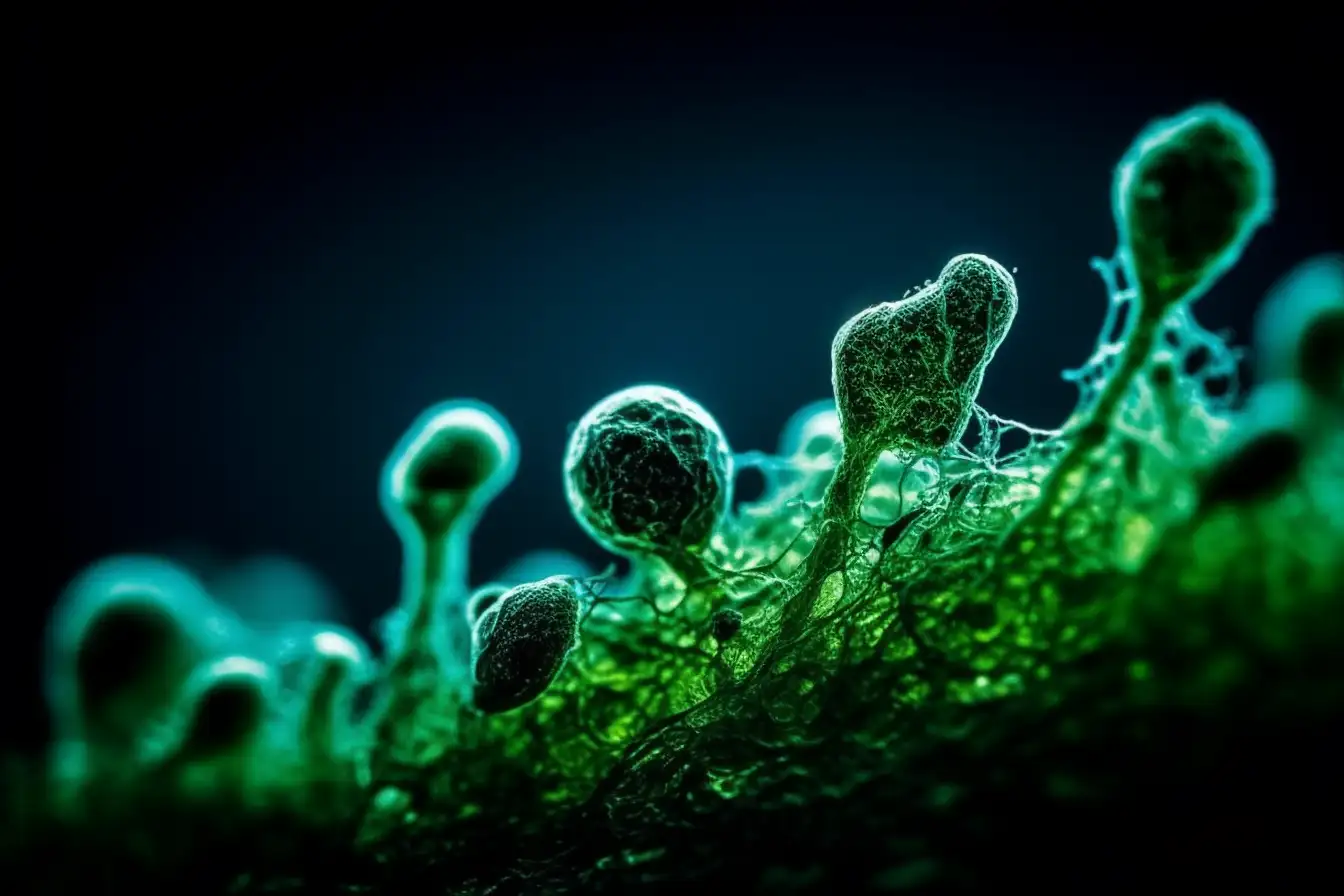
Lyme disease is one of the most challenging neuro-inflammatory processes in modern medicine’s diagnostic and treatment processes.
In chronic cases where traditional antibiotic treatments fall short, regenerative medicine and stem cell applications offer a new ray of hope by activating the body’s own repair mechanisms.
What is Lyme Disease (Borreliosis) and Why is it Difficult to Diagnose?
Lyme disease is a systemic bacterial infection transmitted to humans through the bite of infected ticks.
The difficulty in diagnosis stems from the bacterium’s ability to evade the immune system and the fact that its symptoms overlap with those of many other chronic diseases.
Spread of Bacterial Infection: The Borrelia Burgdorferi Mechanism
The Borrelia burgdorferi bacterium, which causes the disease, easily penetrates deep into tissues, cartilage, and nerve sheaths thanks to its spiral structure (spirochete).
Shortly after entering the body, this bacterium leaves the bloodstream and hides in “fortress” areas that immune cells cannot reach.
Stem cell therapy comes into play precisely at this point, targeting the chronic damage caused by the bacteria in the nervous system.
The Imitator Disease: Lyme’s Connection to 350 Different Health Problems
Lyme is known in medical literature as the “Great Imitator.” It can mimic the clinical presentation of over 350 diseases, including MS (Multiple Sclerosis), ALS, chronic fatigue syndrome, fibromyalgia, and rheumatoid arthritis.
This situation leads to patients being treated with incorrect diagnoses for years and the disease becoming chronic.
Stages and Clinical Symptoms of Lyme Disease
If left untreated, Lyme infection progresses through three main stages, compromising the body’s defense mechanisms.
Stage I: Early Localized Infection and Bull’s Eye (EM) Rash
In the early days of infection, a red rash called Erythema Migrans, consisting of concentric rings, appears around the tick bite.
However, in approximately 30% of cases, this rash does not develop, leading to the disease being overlooked in its initial stage.
Stage II: Early Dissemination, Neuroborreliosis, and Bannwarth Syndrome
Weeks or months later, the bacteria reach the nervous system. In this stage, severe radicular pain known as Bannwarth Syndrome, facial paralysis (Bell’s Palsy), and meningitis may occur. Patients experience intense neurological complaints at this stage.
Stage III: Late-Stage Spread, Lyme Arthritis, and Permanent Joint Damage
Months or years after the infection, chronic swelling and severe arthritis develop, particularly in large joints such as the knees. The destruction caused by the bacteria in the joint tissue can lead to permanent mobility limitations.
Post-Treatment Lyme Disease Syndrome (PTLDS) and Chronic Lyme
The biggest misconception in Lyme treatment is the belief that the disease is completely gone once the antibiotics are finished. However, for many patients, the real struggle begins after this point.
Situations Where Antibiotic Treatment Is Insufficient
While standard antibiotic courses may be effective in killing the active forms of the bacteria, they may fail to eliminate bacteria that have taken on a “cystic structure” or are hidden deep within tissues.
PTLDS (Post-Treatment Lyme Disease Syndrome) is a condition in which the damage and autoimmune response remain in the body even after the bacteria have been eliminated.
Chronic Inflammation and the Immune System’s Excessive Response
The Lyme bacterium leaves the immune system in a permanent “alarm” state. The body begins to attack its own nerve and joint tissues. This chronic inflammation is the root cause of extreme fatigue, “brain fog,” and persistent pain.
Recommendation from Prof. Dr. Erdinç Özek: “In Lyme treatment, it is not enough to focus solely on eliminating the bacteria. Cleaning up the cellular debris left by the bacteria in the nerve pathways and rebalancing the immune system (immunomodulation) are critical to the success of the treatment. Stem cell and exosome applications are modern medicine’s most powerful tools for achieving this balance.”
Treatment Options and Comparison Table
The following table compares the focal points of traditional methods with cellular therapies:
| Feature | Antibiotic Therapy | Stem Cell & Exosome Therapy |
| Primary Target | To eliminate the bacteria (Borrelia) | Repair damaged tissue and regulate the system |
| Mechanism of Action | Bactericidal (Killing) | Regenerative and Immunomodulatory |
| Chronic Pain | Generally has no effect | Aims to reduce pain by repairing nerve damage |
| Immune System | Has no effect | Balances excessive immune response (T-Cell) |
| Application Area | Early-stage infection | Chronic stage and PTLDS (Persistent damage) |
Clinical Experiences and Anonymized Observations
Based on observations from our clinic, adhering to the principle of personal data confidentiality, an example case course is as follows:
Case (Chronic Lyme): A 45-year-old patient who had been experiencing “brain fog” and migratory joint pain for 3 years and had not recovered despite multiple courses of antibiotics. After the mesenchymal stem cell and exosome protocol, a clear improvement in the patient’s cognitive functions and a 60% reduction in pain scale (VAS) were observed in the 4th month.
Stem Cell and Exosome Technologies in Lyme Treatment
The damage caused by the Lyme bacterium to the nervous system, joints, and immune tissues occurs at a depth that antibiotics cannot reach.
At this point, regenerative medicine focuses on cleaning up the “inflammatory debris” left behind by the bacteria and restoring damaged tissue at the cellular level, rather than killing the bacteria.
The Immunomodulatory and Anti-Inflammatory Effects of Mesenchymal Stem Cells (MSC)
Mesenchymal stem cells (MSC) act like the body’s “smart repair units.” They work in two ways against the chronic tissue damage seen in Lyme disease patients:
Anti-Inflammatory Effect: They suppress the cytokine storm in tissues, thereby extinguishing chronic inflammation.
Regenerative Capacity: They secrete the growth factors necessary for the repair of damaged cartilage, nerve sheaths, and muscle fibers.
Exosome and Secretome Therapy: Repair Signals at the Cellular Level
In modern protocols, exosomes (secretome), which are microvesicles secreted by stem cells, are the accelerating power of the treatment.
Exosomes, being much smaller than stem cells, can more easily cross the blood-brain barrier.
This allows them to directly deliver repair signals to the target area in cases of brain damage caused by neuroborreliosis.
T-Cell Modulation: Stopping the Body’s Attack on Its Own Cells
In autoimmune responses that develop after Lyme disease, the immune system’s T-cells spiral out of control and attack the body’s own healthy tissues.
MSC therapy does not suppress these T-cells but rather “trains” them (immunomodulation) to restore the immune system to its proper balance.
This is a delicate mechanism that stops autoimmune destruction without compromising the body’s defense against infections.
Application Protocol: How is Stem Cell Therapy for Lyme Disease Performed?
The treatment process is a dynamic one, tailored to the patient’s pathological profile rather than a standard procedure.
Personalized Dosage Planning: Age, Weight, and Disease Stage Analysis
Each Lyme patient’s clinical picture is unique. When determining dosage, the following factors are considered:
Duration of the Disease: The number of years since infection.
Damage Spread: Whether it is limited to the joints or involves the central nervous system.
Biometric Data: The number of cells to be transferred (based on millions/kg) is calculated taking into account the patient’s age and body mass index.
Administration Methods: Intravenous (IV) and Systemic Approaches
Since Lyme disease is a systemic illness, stem cells are typically administered intravenously (IV).
The cells circulate throughout the body via the circulatory system and attach to damaged areas that emit inflammation signals (homing effect).
In cases with severe neurological involvement, exosome support optimizes this process.
Session Schedule and Post-Treatment Monitoring Process
Sessions, which are usually administered at 45-60 day intervals, are monitored periodically to assess the body’s cellular response.
The first signs of improvement are usually observed starting from the 4th week; however, a process of 3 to 6 months is anticipated for full cellular integration.
Expected Post-Treatment Outcomes and Improved Quality of Life
The ultimate goal of cellular therapy is not only to rid the patient of bacteria but also to restore them to their social and physical life.
Improvement in Cognitive Functions and the Dissipation of “Brain Fog”
Difficulty concentrating, forgetfulness, and mental fatigue (brain fog), which are the most common complaints of Lyme disease patients, begin to disappear as neuroinflammation decreases.
Patients describe feeling as though “the fog has lifted from their minds” after treatment.
Chronic Pain Management, Increased Mobility, and Energy
As stem cells repair micro-damage at nerve endings and regulate the biochemistry of joint fluid,
Significant reduction in migratory joint pain,
Relief of morning stiffness,
and alleviation of chronic fatigue through energy increase supported at the mitochondrial level.
Recommendation from Prof. Dr. Erdinç Özek: “Stem cell therapy is not a ‘magic wand’; it is the body’s biological clock being reset to repair mode. To increase the success of the treatment, one should avoid dietary habits that trigger inflammation during this process and adhere to personalized supportive protocols.”
Recovery Process Comparison Table
| Symptom Group | First 1 Month (Adaptation Phase) | 3-6 Months (Repair Phase) | 1 Year (Stabilization) |
| Energy Level | Slight fluctuations | Significant increase | Stable high energy |
| Mental Clarity | Increased awareness | Focusing ability | Normal cognitive processes |
| Joint pain | Decreased sensitivity | Freedom of movement | Pain-free quality of life |
| Immune response | Balancing begins | Inflammation stops | Strong immune balance |
Frequently Asked Questions
Does stem cell therapy completely kill the Lyme bacteria?
Stem cell therapy is not an antibiotic and does not directly kill the bacteria; however, it repairs the chronic damage caused by the bacteria in the nervous system, joints, and immune system, thereby increasing the body’s resistance.
Is hospitalization required for treatment?
The procedure is usually performed on an outpatient basis; after the intravenous session, the patient can return to their daily life after a short rest.
How long does it take for stem cell therapy to take effect?
Although the cellular repair process varies from person to person, the first positive effects are usually felt within 4-8 weeks in the form of increased energy and reduced pain.
Are there any side effects of the treatment?
Since mesenchymal stem cells are obtained from the patient’s own tissue or compatible tissues, the risk of allergic reactions is minimal; mild fever or temporary fatigue may rarely occur after the procedure.
Can stem cell therapy be administered alongside antibiotic treatment?
Yes, receiving stem cell support while continuing antibiotic use during the active infection period can provide a strategic advantage in preventing tissue damage from becoming chronic.
Can stem cells be applied at every stage of Lyme disease?
Stem cell applications are effective at every stage, but they are most commonly preferred in chronic stages where antibiotics are ineffective and in patients with Post-Lyme Syndrome (PTLDS).
Professional Consultation and Appointment
You can consult our expertise to combat the chronic effects of Lyme disease and obtain a scientific opinion on personalized regenerative treatment options.
You can schedule an appointment to receive detailed information about our clinical processes under the supervision of Prof. Dr. Erdinç Özek and to have your condition evaluated.
Scientific References
NCBI – PubMed (National Center for Biotechnology Information): A comprehensive review of the therapeutic effects of mesenchymal stem cells on neuroinflammation and autoimmunity. https://pubmed.ncbi.nlm.nih.gov/30210204/
Frontiers in Immunology: Post-Treatment Lyme Disease Syndrome (PTLDS) and immune dysfunction in chronic cases. https://www.frontiersin.org/articles/10.3389/fimmu.2021.624024/full