


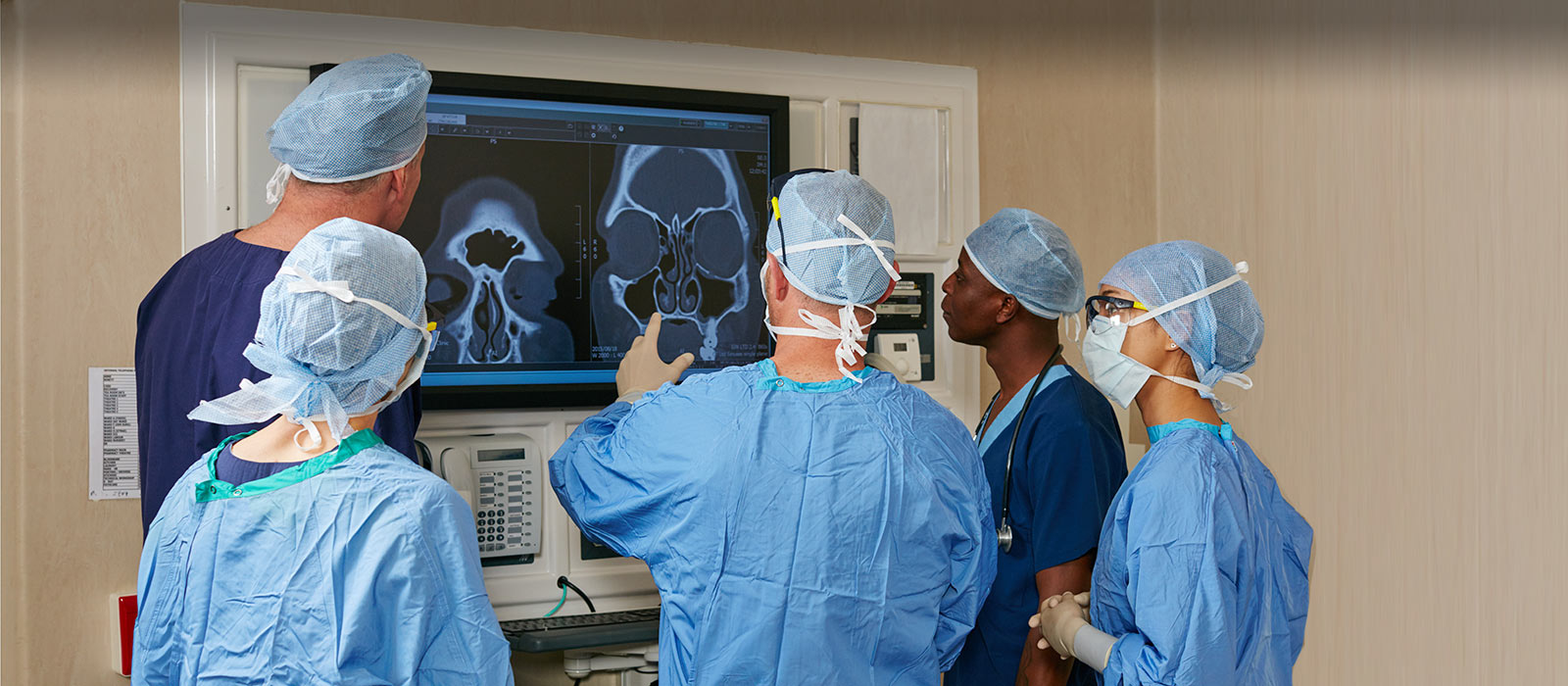
Brain tumors are masses formed as a result of uncontrolled cell proliferation in brain tissue or in the membranes surrounding the brain. The treatment of these masses is a highly sensitive process that requires the maximum removal of the tumor while preserving the brain’s vital functions.
What is a Brain Tumor? Types and Classification
Brain tumors are classified based on the type of cell they originate from and their growth rate. This distinction is fundamental in determining the surgical technique and additional treatments to be applied.
Primary and Metastatic Brain Tumors
Primary Tumors: Tumors that originate directly from brain tissue or membranes.
Metastatic Tumors: Tumors that form when cancer from another part of the body (such as the lungs or breasts) spreads to the brain.
Differences Between Benign and Malignant Brain Tumors
Benign tumors typically have distinct borders and grow slowly. Malignant tumors, on the other hand, tend to infiltrate surrounding brain tissue and spread rapidly.
Common Types of Tumors
The most common types encountered in clinical practice are gliomas originating from supportive tissue, meningiomas originating from the brain membranes, and pituitary adenomas that affect hormonal balance.
Brain Tumor Symptoms and Diagnostic Methods
Early diagnosis directly increases the success rate of surgery and the chances of preserving nerve tissue.
Common Symptoms
Headaches that are more severe in the morning and worsen over time.
New-onset epileptic seizures (convulsions).
Speech disorders, weakness in the arms or legs, balance problems.
Advanced Diagnostic Techniques
Contrast-enhanced MRI is a fundamental tool in the modern diagnostic process. In addition, functional MRI (fMRI), which maps the tumor’s relationship with the brain’s speech or movement centers, and PET scanning, which measures tumor activity, are integral parts of surgical planning.
How is Brain Tumor Surgery (Craniotomy) Performed?
Surgical intervention consists of customized steps depending on the type and location of the tumor.
Removal of the Tumor Using the Microsurgical Method
Microsurgery allows access to the tumor while preserving the brain’s delicate blood vessels and nerve structures under high-magnification microscopes. This minimizes damage to healthy tissue.
Awake Craniotomy
If the tumor is located very close to speech or motor centers, “Awake Craniotomy” may be preferred. In this method, the patient is awakened during surgery, and the surgeon tests the patient’s speech or movement functions in real-time while removing the tumor.
Advanced Technologies Used in Brain Surgery
Technological equipment enables the surgeon to safely remove tumors deep within the brain.
| Technology | Function | Benefit to the Patient |
| Neuronavigation | Guides the surgeon during surgery like a GPS. | Provides the shortest and safest route to the tumor. |
| Neuromonitoring | Monitors nerve pathways electrically. | Minimizes the risk of paralysis. |
| Fluorescent staining | Illuminates tumor tissue during surgery. | Clearer differentiation of malignant tissues. |
Recommendations from Prof. Dr. Erdinç Özek
“Receiving a brain tumor diagnosis is a challenging process for the patient and their family. However, today’s navigation and imaging technologies allow us to safely intervene even in tumors located in the most sensitive areas of the brain. The key to success is not only removing the tumor but also performing this procedure while preserving the patient’s social and functional life.”
Post-Surgery Recovery and Rehabilitation Process
Postoperative care is a stage that reinforces the success of the surgery.
Intensive Care: Patients usually spend the first 24 hours after surgery in intensive care for close monitoring.
Hospital Stay: Discharge is planned between 3 and 7 days, depending on the size of the tumor.
Neurological Rehabilitation: If there is a loss of function due to the tumor, physical therapy started early on supports the brain’s plasticity (regeneration) feature.
Clinical Experience and Case Study
Anonymous Case Analysis: A 45-year-old patient presenting with severe headache and loss of dexterity in the right hand was found to have a 4 cm mass (meningioma) adjacent to the left motor area. The tumor was completely removed through microsurgery performed with neuronavigation and neuromonitoring. The patient was mobilized on the second day after surgery, and at the one-month follow-up, complete recovery of right hand function was observed.
Frequently Asked Questions
How long does brain tumor surgery take?
Although operation times vary depending on the size, type, and proximity to vital centers of the tumor, microsurgical procedures are generally completed within 3 to 6 hours.
Will there be personality changes after surgery?
Depending on the location of the tumor in the brain, temporary behavioral changes may be observed; however, the goal of modern surgery is to preserve the patient’s cognitive and personality characteristics by protecting healthy tissue.
Is all the hair shaved after brain surgery?
Thanks to modern techniques, hair is usually shaved only along the small incision line where the surgery will be performed, allowing patients to return to social life more quickly and confidently.
Does brain tumor surgery carry a risk of paralysis?
Although every surgical procedure carries certain risks, technologies such as neuromonitoring and navigation allow for real-time monitoring of nerve pathways during surgery, minimizing the risk of paralysis.
When can patients return to normal life after surgery?
Patients are usually discharged after a week of recovery and can return to their active daily lives and work within 4 to 6 weeks, depending on the type of tumor.
Should benign tumors be surgically removed?
Benign tumors are generally recommended for surgical removal because, even if they do not become cancerous, they can grow and put pressure on brain tissue, leading to vision, speech, or movement loss.
Scientific References
Journal of Neurosurgery: Advances in neuronavigation and intraoperative imaging. https://thejns.org
The New England Journal of Medicine (NEJM): Treatment of Glioblastoma and Other Malignant Gliomas. https://www.nejm.org
PubMed (NIH): Awake craniotomy for brain tumor resection in eloquent areas. https://pubmed.ncbi.nlm.nih.gov
Professional Consultation and Appointment
For brain tumor diagnosis and personalized surgical treatment planning, you can contact Prof. Dr. Erdinç Özek’s clinic. By scheduling an appointment at our center in Istanbul, you can receive detailed information about our modern neurosurgery protocols.