


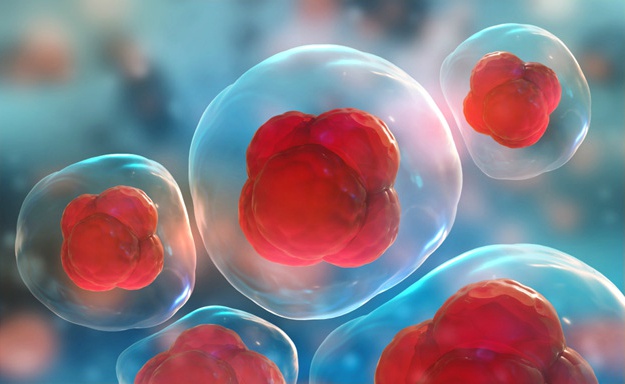
This article discusses current developments in the field of regenerative medicine and stem cell applications in muscle diseases based on academic data.
The focus of the study is on cellular therapies aimed at stabilizing the breakdown of muscle fibers.
What is Muscular Dystrophy? Symptoms and Causes
Muscular dystrophy is a group of genetic disorders characterized by progressive weakening and loss of skeletal muscle.
This condition arises from the faulty coding or complete absence of proteins that maintain the integrity of muscle fibers.
The disease is not only a physical loss of strength but also a systemic process that can affect respiratory and cardiac muscles.
Duchenne Muscular Dystrophy (DMD) and the Relationship with the Dystrophin Protein
Duchenne Muscular Dystrophy (DMD) is the most common and fastest-progressing type of muscle disease. At the core of this condition lies a deficiency of a vital protein called “dystrophin.”
Dystrophin provides strength to the membrane surrounding muscle fibers; when this protein is absent, each muscle contraction damages the cell membrane.
Over time, damaged muscle cells die and are replaced by fat or connective tissue, leading to loss of function.
Genetic Transmission and the X Chromosome Factor in Muscular Dystrophy
Most muscular dystrophies, particularly DMD and Becker type, exhibit X-linked recessive inheritance.
Women, who have two X chromosomes, are typically carriers and do not exhibit symptoms of the disease.
However, since males have only one X chromosome, the defective gene inherited from the mother directly causes the disease to manifest.
Genetic risk factors such as consanguineous marriages can increase the incidence of rare subtypes (such as Limb-Girdle).
Early Diagnosis Symptoms: Difficulty with Physical Activities and Muscle Atrophy
The disease usually signals itself in early childhood with impairments in motor skills. The most common clinical findings in the diagnostic process are:
Using hands to support oneself on the knees when standing up (Gowers sign).
Duck-like gait and tendency to walk on tiptoes.
Pseudohypertrophy (false swelling and hardness) in the calf muscles.
Lagging behind peers when climbing hills or stairs.
How Does Stem Cell Therapy Bring About Change in Muscle Disease Patients?
Although stem cell therapy does not completely erase the existing genetic defect, it aims to intervene in the natural course of the disease by altering the biochemical environment of the damaged tissue.
Regenerative medicine protocols focus on reducing the rate of muscle fiber breakdown and suppressing inflammation.
Muscle Cell Repair and the Regenerative Medicine Approach
The applied mesenchymal stem cells exhibit a “paracrine effect” when they reach the damaged muscle area.
This means that the cells trigger the body’s own repair mechanisms by secreting growth factors and cytokines.
Stem cells aim to extend the life of existing muscle fibers by regulating the microenvironment around them.
Stopping Disease Progression and Improving Quality of Life
The primary goal of treatment is to delay the age of wheelchair use and ensure that the patient maintains their daily self-care skills (eating, writing, assisted walking) for as long as possible.
Clinical observations show that fatigue levels decrease and muscle pain is alleviated in patients who follow a regular protocol.
The Role of Mesenchymal Stem Cells in Mucosal and Muscle Tissue Healing
Mesenchymal stem cells (MSCs) have immunomodulatory properties.
By suppressing the chronic inflammation seen in muscle wasting, they slow down fibrosis (hardening) in muscle tissue.
This helps maintain muscle flexibility and reduces the rate of functional loss.
| Treatment Parameter | Standard Supportive Therapies | Mesenchymal Stem Cell Therapy |
| Primary Goal | Manage symptoms | Tissue repair and inflammation control |
| Mechanism of Action | Physical Therapy and Steroids | Cellular renewal and paracrine signaling |
| Application Method | Daily routine / Medication use | Intravenous or local application in a clinical setting |
| Expectations for Recovery | Efforts to maintain the current condition | Increase in functional capacity and slowing of deterioration |
Types and Sources of Stem Cells Used in Muscle Atrophy Treatment
The source of cells used in regenerative medicine is the most fundamental factor determining the biological efficacy and safety of the treatment.
Today, the cells used in muscular dystrophy protocols are high-purity products obtained from the patient’s own tissue or from donors.
Umbilical Cord (Allogeneic) and Adipose Tissue (Autologous) Source Cells
Two main sources stand out in treatment:
Autologous (Adipose Tissue/Bone Marrow): Cells taken from the patient’s own body (usually abdominal fat or iliac crest). The biggest advantage is that there is no risk of rejection. However, in genetic-based diseases such as muscular dystrophy, it is an undeniable fact that the patient’s own cells may also carry the genetic defect.
Allogeneic (Umbilical Cord): These are cells obtained from the umbilical cord (Warton’s jelly) of newborns. Because these cells are “young” cells, their division and repair capacities are quite high. Since they do not carry genetic defects, they are often preferred in muscle diseases.
Mesenchymal Stem Cells (MSC) and Exosome Technology
Mesenchymal stem cells are multipotent cells capable of differentiating into various tissues such as muscle, bone, and cartilage.
In recent years, exosomes, which are small vesicles secreted by these cells, have attracted attention as a cell-free therapy method.
Exosomes directly target inflammation in damaged muscle areas by carrying RNA and proteins that facilitate intercellular communication, thereby accelerating healing signals.
Fetal Stem Cell Applications and Modern Scientific Approaches
Fetal stem cells are the cell group with the highest developmental potential. They have been used for many years, particularly in some international centers such as Ukraine.
However, in today’s modern medical world, due to ethical debates and safety protocols, they are increasingly being replaced by umbilical cord-derived mesenchymal cells and advanced technology-based gene therapy-supported cells.
How Do Application Protocols and the Treatment Process Proceed?
Muscle wasting treatment is not a standard medication regimen but a non-surgical procedure tailored to the individual.
The process begins with a detailed analysis of the patient’s clinical condition (age, weight, mobility).
Ministry of Health-Approved Stem Cell Application List and Legal Regulations
The Ministry of Health of the Republic of Turkey supports stem cell applications within specific indications and subject to the approval of an ethics committee.
Duchenne Muscular Dystrophy (DMD) is one of the priority diseases on the Ministry’s application list.
These treatments must be performed in authorized clinics using cells produced in laboratories licensed by the Ministry and complying with GMP (Good Manufacturing Practices) standards.
Treatment Intervals, Dose Determination, and Administration Methods
The treatment protocol is typically calculated based on the number of cells per million, determined according to the patient’s weight. Administration methods include:
Intravenous (IV): Cells are administered into the systemic circulation to reach all muscle tissue.
Intramuscular (Muscle): Direct injection is performed into specific muscle groups where muscle weakness is particularly severe.
| Application Parameter | Young/Early Stage Patient | Advanced Stage/Adult Patient |
| Number of Sessions | Generally 3-4 sessions | Repeated courses depending on the situation |
| Application Interval | Every 1-2 months | Follow-up every 3-6 months |
| Cell Source | Allogeneic (Cord Blood) | Allogeneic or Autologous SVF |
| Cell Quantity | 1-2 million per kg | 2-3 million per kg |
The Importance of Physical Therapy and Rehabilitation After Treatment
While stem cells repair tissue, physical therapy transforms this repair into functional gain. Physical therapy is an integral part of the process following cell application to keep muscles active, increase blood flow, and prevent joint stiffness (contractures).
Clinical Success Rates and Expected Outcomes
Success in stem cell therapy is defined not as the complete elimination of the disease, but as slowing its progression and regaining some of the lost functions.
Increase in Muscle Strength and Restoration of Mobility
The first positive outcomes observed in treated patients typically include:
Being able to stand for longer periods without tiring.
Increased stair-climbing speed and improved respiratory capacity.
Stabilization of CPK (muscle breakdown enzyme) levels in the blood.
Long-Term Follow-Up and Success Analysis with Clinical Data
Scientific literature indicates that the 6th and 12th months following stem cell applications are critical.
Motor function tests conducted during this period serve as evidence of the treatment’s effectiveness.
However, it should be noted that muscular dystrophy, being a genetic process, requires a multidisciplinary approach and regular specialist follow-up.
Personalized Treatment and Detailed Information
Time is the most important factor in combating muscle wasting. Early intervention is vital for cells to have maximum effect on muscle tissue. You can seek professional support to determine protocols appropriate for your current clinical condition and to obtain information about legal processes.
At our clinic in the Istanbul area, you can request a detailed assessment of treatment protocols specific to your condition by making an appointment with Prof. Dr. Erdinç Özek.
Frequently Asked Questions
Does stem cell therapy completely stop muscle wasting?
In today’s medical technology, this method is not a definitive solution; it is a supportive treatment protocol aimed at slowing the progression of the disease and improving the patient’s quality of life.
Is there an age limit for treatment?
While there is no specific lower age limit, early interventions performed before muscle wasting has progressed significantly have a higher chance of clinical success compared to applications in older age groups.
Are there any known side effects of the procedure?
Mesenchymal stem cells produced under GMP standards have high compatibility with the patient’s immune system; serious side effects are rarely seen in the literature, except for temporary sensitivity or mild fever at the application site.
How long does the treatment process take, and how many sessions are required?
Although it varies depending on the patient’s weight and clinical stage, 3-session courses administered at 45-60 day intervals are among the most commonly preferred protocols.
Does SGK cover stem cell therapy for muscle wasting?
Under current regulations, these treatments are generally considered private coverage; it is recommended to obtain information from specialist clinics regarding current legal regulations and coverage details.
Expert Opinion and Appointment
Muscle wasting (muscular dystrophy) is a genetic condition that progresses differently for each patient and requires multidisciplinary follow-up.
It is vital to conduct a detailed assessment of the suitability of stem cell applications for your current condition, the stage of the disease, and the expected clinical benefits.
To learn all the details you are curious about regarding the process and to plan personalized treatment protocols, you can make an appointment with Prof. Dr. Erdinç Özek and start your clinical evaluation process by seeking expert opinion.
References and Sources
Turkish Ministry of Health – General Directorate of Health Services: List of cellular therapy methods and legal regulations applied in Turkey. https://shgm.saglik.gov.tr/
National Institutes of Health (NIH) – ClinicalTrials.gov: Database of current stem cell clinical research studies on muscular dystrophy (DMD). https://clinicaltrials.gov/search?cond=Muscular%20Dystrophy&term=Stem%20Cell
PubMed / National Library of Medicine: Academic studies examining the effects of mesenchymal stem cells (MSC) on skeletal muscle regeneration and inflammation control. https://pubmed.ncbi.nlm.nih.gov/?term=mesenchymal+stem+cells+muscular+dystrophy