


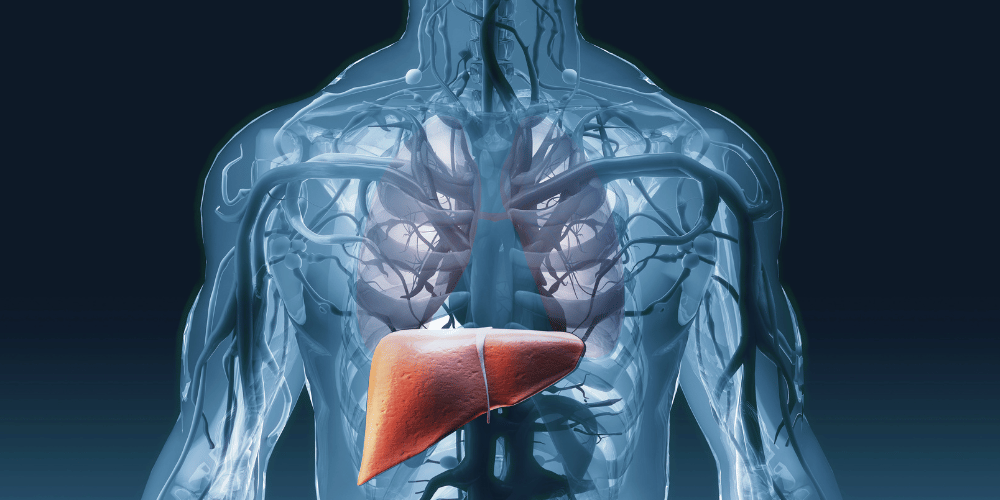
Liver cirrhosis is a process of irreversible functional loss in which the organ’s healthy tissue is replaced by scar tissue as a result of chronic damage.
Today, stem cell therapy is the most strategic option among regenerative medicine methods that aim to repair damaged liver architecture at the cellular level.
What Are Cirrhosis and Liver Failure?
Cirrhosis is an end-stage liver disease that occurs when the liver enters a cycle of chronic inflammation.
The hardened tissue that replaces healthy hepatocytes (liver cells) impairs the organ’s ability to cleanse the blood, synthesize proteins, and produce bile.
Liver failure, on the other hand, is when the organ reaches a point where it can no longer meet the body’s metabolic needs.
Symptoms and Stages of Liver Cirrhosis
The clinical course of cirrhosis is examined in two main stages based on the degree of damage to the liver:
Compensated Cirrhosis: This is the stage where the liver can still perform its functions and symptoms are mild.
Decompensated Cirrhosis: This is the stage where liver function collapses, and severe conditions such as fluid retention and jaundice are observed.
Common Symptoms:
Extreme fatigue and loss of appetite.
Yellowing of the skin and whites of the eyes (jaundice).
Edema in the legs and fluid accumulation in the abdominal cavity (ascites).
Spider-like vascular ruptures on the skin.
Hepatic Encephalopathy and Portal Hypertension Complications
The liver’s inability to filter blood allows toxic substances (especially ammonia) to reach the brain.
This condition is called Hepatic Encephalopathy and can result in cognitive impairment, sleep disturbances, and coma in severe cases.
Portal Hypertension, on the other hand, is an increase in blood vessel pressure due to the obstruction of blood flow to the liver caused by scar tissue.
This pressure leads to esophageal varices and serious internal bleeding risks. Stem cell therapy aims to reduce this pressure by increasing tissue elasticity.
Causes of Cirrhosis: Viral Hepatitis, Alcohol, and Fatty Liver Disease
The path to cirrhosis usually involves long-term chronic damage:
Hepatitis B and C: Viral infections that cause permanent inflammation in the liver.
Chronic Alcohol Use: Cell destruction through direct toxic effects.
NASH (Non-Alcoholic Fatty Liver Disease): Steatosis associated with diabetes and obesity that progresses to cirrhosis.
How Is Stem Cell Therapy Applied in Liver Cirrhosis?
The primary goal in cirrhosis treatment is not only to manage symptoms but to renew the liver’s architectural structure at the cellular level. Stem cell transplantation is a biological catalyst that triggers the liver’s self-repair mechanism (regeneration).
Prof. Dr. Erdinç Özek: The key to success in treating cirrhosis is to accurately analyze the extent of tissue loss. When stem cell transplantation is performed before the final stage, where the organ is completely converted to connective tissue, the potential to preserve the liver’s functional reserve and delay the need for transplantation is much higher.
Mechanism of Action of Mesenchymal Stem Cells (MSC)
Mesenchymal stem cells (MSC) release healing factors through a mechanism called “paracrine effect” when they reach the damaged area. These cells:
Can differentiate to replace damaged hepatocytes.
Promote the proliferation of existing healthy cells.
Regulate blood flow by repairing the liver’s microenvironment.
Suppression of Fibrosis and Myofibroblast Activity
Myofibroblasts are the main cells responsible for the hardening of the liver in cirrhosis. These cells produce excessive collagen, transforming the liver into scar tissue.
Stem cells suppress the activity of these harmful cells.
They help break down existing scar tissue (hardened areas) by secreting MMP (Matrix Metalloproteinase) enzymes.
Immunoregulation: Regulation of the Immune System
In many cases of cirrhosis, an excessive immune response (inflammation) deepens the damage.
Stem cells calm chronic inflammation in the liver by modulating immune cells (T-cells and macrophages). This “calming” effect prevents further damage to the liver.
Comparison of Application Methods and Expected Effects
| Feature | Traditional Drug Therapy | Stem Cell Therapy |
| Target | Suppression of symptoms | Cellular repair and tissue regeneration |
| Mechanism of Action | Chemical intervention | Biological regeneration |
| Immunity | Temporary suppression | Permanent immunomodulation |
| Fibrosis (Hardening) | Limited effect | Potential to dissolve scar tissue |
Process and Clinical Observations (Anonymous Case Analysis):
In our clinical observations, positive functional responses such as increased albumin synthesis and decreased ascites fluid were recorded in patients with a Child-Pugh score (cirrhosis severity stage) of B following stem cell application. Each patient’s biological response varies depending on the origin of cirrhosis and existing liver reserve.
Stem Cell Transplantation and the Liver Regeneration Process
Stem cell transplantation is not merely a cell transfer for cirrhosis patients; it is a complex biological process aimed at reprogramming the liver’s microenvironment. This process is dynamically planned according to the patient’s existing liver reserve and overall health status.
Personalized Cell Protocol and Dosage Determination
Each cirrhosis patient has a different level of fibrosis and metabolic needs. Therefore, personalized protocols are applied instead of a “standard” dosage.
Cell Count: Millions of live cells (typically 1-2 million cells per kg) are used, determined based on the patient’s body weight, Child-Pugh score, and MELD score.
Cell Source: Mesenchymal stem cells obtained from the patient’s own tissue (autologous) are the preferred primary source as they eliminate the risk of rejection.
Administration Methods: Intravenous (IV) and Hepatic Artery Injection
The method used to deliver stem cells to the liver determines the density at which the cells will reach the target.
| Method | Administration Method | Advantage |
| Intravenous (IV) | Systemic infusion via the bloodstream. | Non-invasive, does not require hospitalization. |
| Hepatic Artery | Direct injection into the hepatic artery via interventional radiology. | Ensures that cells reach damaged tissue directly at high concentrations. |
Recommendation from Prof. Dr. Erdinç Özek: In advanced cases, we generally find targeted injections via the Hepatic Artery to be more effective in increasing the cells’ “homing” capacity in the liver. However, the patient’s coagulation values are the main factor determining this method.
Post-Treatment Monitoring of Liver Function
The post-transplant process involves monitoring the liver’s biochemical responses. The first 3 to 6 months represent the most active phase of regeneration.
Laboratory Tests: Albumin, bilirubin, ALT/AST levels, and INR (coagulation) values are monitored regularly.
Imaging: Changes in liver stiffness and portal vein pressure are observed using elastography (Fibroscan) or Doppler ultrasound.
Advantages of Stem Cells in Cirrhosis Treatment and Scientific Data
The use of stem cells in the treatment of cirrhosis goes beyond classic symptomatic treatments and offers patients the chance of biological repair.
Cellular Therapies as an Alternative to Liver Transplantation
Liver transplantation involves difficulties such as organ insufficiency and lifelong use of immunosuppressive drugs.
Immune Compatibility: Stem cells are not recognized as foreign substances by the body, eliminating the risk of rejection crises after transplantation.
Bridge Therapy: Stabilizes liver function for patients on the transplant waiting list, buying them time.
Clinical Studies and Factors Affecting Success Rates
International literature (PubMed and Lancet data) shows that stem cells improve quality of life by 60% to 80% in randomized trials, particularly in early and mid-stage cirrhosis. Factors affecting success include:
Age and Genetic Factors: Younger patients have a higher cell proliferation capacity.
Cause of Cirrhosis: Cessation of alcohol consumption or control of viral load (hepatitis) is a prerequisite for success.
Timing of Application: Interventions performed before fibrosis has spread throughout the entire organ yield the highest efficacy.
Safety of Treatment and Potential Side Effect Analysis
Stem cell therapy carries minimal risk as it is not a surgical procedure.
Safety: Allogeneic applications using the patient’s own cells do not carry the risk of allergic reactions or tissue rejection.
Possible Side Effects: Apart from mild fever or temporary sensitivity at the injection site, which may occur within 24-48 hours after the application, major complications are rare in clinical data.
Clinical Observation Note (Anonymous):
In a 55-year-old patient with severe portal hypertension and recurrent gastric bleeding, a significant decrease in portal vein pressure and a reduction in varices were observed at 6 months after mesenchymal stem cell application. This finding supports the notion that cellular therapy repairs not only the tissue but also the vascular bed.
Frequently Asked Questions
Does stem cell therapy completely cure cirrhosis?
While it may not always be possible to reverse all advanced tissue damage caused by cirrhosis, stem cells can improve liver function, alleviate symptoms, and significantly slow the progression of the disease.
Does the treatment require hospitalization?
The procedure is usually performed on an outpatient basis; especially in the case of intravenous (IV) transplants, patients can be discharged on the same day after the procedure and return to their daily lives.
Does stem cell transplantation replace liver transplantation?
Organ transplantation is the definitive solution in end-stage failure; however, stem cell therapy is used to stabilize the condition of patients on the transplant waiting list or to eliminate this need in patients who have not yet reached the transplant stage.
When do the effects of the treatment begin to appear?
The cellular repair process begins immediately after the procedure; however, significant improvements in liver function tests and the patient’s overall health are usually observed starting from the third month.
Are there any side effects of stem cells in cirrhosis patients?
In protocols where the patient’s own cells (autologous) are used, the risk of tissue rejection or allergic reactions is negligible; rarely, short-term fatigue or mild fever may occur after the procedure.
Scientific References
The scientific basis for the information in this article and detailed data on the clinical success of stem cells in liver regeneration can be found in the following international medical indexes:
PubMed (NIH): Mesenchymal Stem Cell Therapy for Liver Fibrosis: Mechanisms and Clinical Applications
Stem Cells Translational Medicine: Autologous bone marrow-derived stem cell transplantation in patients with end-stage liver cirrhosis
World Journal of Gastroenterology: Stem cell therapy for liver diseases: From bench to bedside