


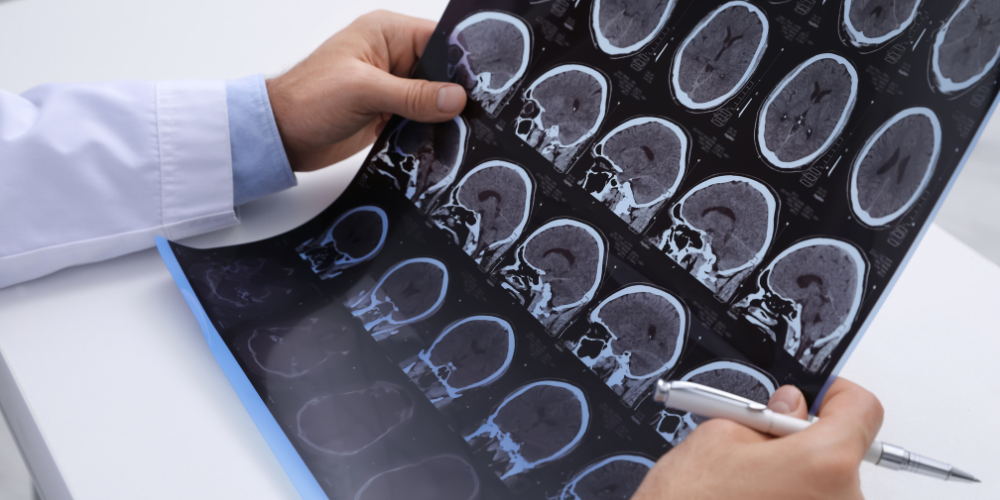
Multiple Sclerosis (MS) is an autoimmune disease in which the immune system perceives the central nervous system (brain and spinal cord) as a threat and attacks its own nerve sheaths (myelin).
While traditional drug treatments are successful in slowing down these attacks, stem cell therapy is one of the most important areas of research in modern medicine due to its potential to both stop these attacks and support the natural repair process of damaged tissues.
What is Stem Cell Therapy for MS?
Stem cell therapy in MS is a biological intervention that aims to rebalance the immune system by leveraging the body’s self-renewal capacity.
This method not only suppresses symptoms but also aims to correct the underlying immunological error of the disease.
Rewiring the Immune System and Repairing Nerves
Stem cells combat MS through two primary mechanisms:
Immunomodulation (Immune Regulation): Stem cells suppress inflammation by releasing chemical signals that reduce the aggressiveness of immune cells.
Neuroregeneration (Nerve Repair): They promote the repair of damaged myelin sheaths. Recent literature has shown that mesenchymal stem cells activate “endogenous” repair cells found within the body.
What Types of Stem Cells Are Used in MS Treatment?
Unlike competitors, it is important to note that each stem cell has a different function:
Hematopoietic Stem Cells (HSC): These are cells that build the blood and immune system from scratch. They are usually obtained from bone marrow.
Mesenchymal Stem Cells (MSC): These cells have a higher capacity for immune regulation and tissue repair. They are obtained from sources such as bone marrow, adipose tissue, or the umbilical cord.
Autologous Hematopoietic Stem Cell Transplantation (aHSCT)
The most studied and clinically proven method in the MS community is the aHSCT (Autologous Hematopoietic Stem Cell Transplantation) protocol. This procedure is more of a “system renewal” operation that clears the immune system’s faulty codes than a “transplant.”
How is the aHSCT Procedure Performed? (Step-by-Step Process)
The treatment minimizes the risk of tissue rejection because it uses the patient’s own cells (autologous):
Mobilization Phase: Growth factors and low-dose chemotherapy are administered to mobilize stem cells from the bone marrow into the bloodstream.
Cell Collection (Apheresis): Stem cells released into the bloodstream are collected using a separation device and stored frozen.
Conditioning (Immune Suppression): The patient receives high-dose chemotherapy. This phase aims to destroy the “memory cells” that cause MS and the aggressive immune system.
Cell Infusion (Reinjection): The stored healthy stem cells are reintroduced into the patient via an intravenous line.
Engraftment: The stem cells settle in the bone marrow and begin to produce a new, healthy, and non-aggressive immune system within approximately 2-3 weeks.
What Does “Resetting” the Immune System Mean?
In MS patients, the immune system is misprogrammed to recognize myelin as “enemy.”
The “reset” process eliminates all cells with this faulty memory. Thanks to the transplanted new stem cells, the immune system makes a “clean” start, just like a baby’s, and learns not to attack its own body tissues.
Who is aHSCT a Suitable Option For? (Patient Selection Criteria)
Because aHSCT is an intensive treatment, it is not recommended for every MS patient. Ideal candidates typically meet the following criteria:
Disease Type: Those with the relapsing-remitting form of MS.
Age Factor: Success rates are generally higher in individuals under 45 years of age.
Active Inflammation: The presence of new lesions (contrast-enhancing lesions) on MRI results increases the effectiveness of the treatment.
Treatment Response: Cases that continue to experience attacks despite current high-efficacy drug therapies (DMT).
Recommendations from Prof. Dr. Erdinç Özek: The decision to undergo stem cell transplantation should be made after a careful “benefit-risk” analysis. The isolation period during the aHSCT process is the stage where we are most vulnerable to the risk of infection. Maintaining high morale and fully complying with your physician’s hygiene protocols during this process is the key to success. Remember: our goal is not just to save today, but to halt the progression of MS for many years to come.
Decision-Making Guide: Comparison of Treatment Methods
| Feature | Drug Therapies (DMT) | aHSCT (Stem Cell Transplantation) |
| Administration Method | Continuous use (Medication/Serum) | Single-use procedure |
| Effect on Immunity | Suppression (Continuous) | Restoration (Reset) |
| Hospitalization | Generally not required | 3 – 4 weeks (Isolation) |
| Long-Term Suspension | Variable | 70-80% (In suitable cases) |
| Cost/Process | Lifetime cost | High initial cost / Intensive process |
In the following section, we will discuss the advantages of “Mesenchymal Stem Cells” and the critical details of the healing process.
Note: For a detailed clinical evaluation regarding stem cell applications, you can schedule an appointment at our center to have your personal analysis conducted.
New Generation Approach: Mesenchymal Stem Cell (MSC) Therapy
While hematopoietic (blood-forming) stem cells in MS treatment focus on “resetting” the immune system, Mesenchymal Stem Cells (MSC) stand out with their protective and restorative effects directly on the nervous system.
These cells, obtained from tissues such as bone marrow, adipose tissue, or umbilical cord, function like the body’s “smart repair units.”
Potential for Repairing Nerve Damage (Remyelination)
The greatest challenge in MS is the loss of the myelin sheath that enables nerve conduction. The role of MSCs in this process is not only to create new cells but also to modify the existing damaged environment:
Factor Release: MSCs stimulate the body’s own repair cells (oligodendrocytes) by secreting neurotrophic factors (such as BDNF and GDNF).
Myelin Regeneration: Laboratory and early-phase clinical studies show that these cells can promote the reformation of the myelin sheath (remyelination) and reduce nerve cell loss.
Differences and Advantages of Mesenchymal Stem Cells Compared to aHSCT
Although both methods play a critical role in MS treatment, their application processes and objectives differ:
| Feature | aHSCT (Hematopoietic) | MSC (Mesenchymal) |
| Focus | To completely renew the immune system. | Reducing inflammation and repairing tissue. |
| Chemotherapy | High-dose chemotherapy is required. | Does not require chemotherapy. |
| Risk Profile | Risk of infection and toxicity is higher. | The side effect profile is quite low (mild fever, fatigue). |
| Administration | Hospitalization (average 3-4 weeks). | Usually outpatient treatment (infusion). |
| Target Population | Aggressive and early-stage RRMS. | Progressive MS and RRMS. |
Neuroprotective Effects in MS and Clinical Studies
Meta-analyses published at the end of 2025 report significant improvements in physical function and quality of life in patients receiving MSC therapy.
These cells prevent early nerve cell death by calming chronic inflammation (microglial activation) in brain tissue. This is particularly promising for slowing the progression of the disease, especially in progressive forms of MS.
Expected Benefits and Success Rates of MS Stem Cell Therapy
The primary outcome expected from stem cell therapy is “No Evidence of Disease Activity” (NEDA). This includes the cessation of attacks, no new lesions on MRI, and no progression of disability.
Effects on EDSS Score and Disability Level
EDSS (Expanded Disability Status Scale) is a score ranging from 0 to 10 that measures the mobility of MS patients.
Success Data: In clinical studies, approximately 60-70% of eligible patients who underwent aHSCT achieved stabilization (cessation of worsening) in their EDSS score over a 5-year period.
Improvement: Some patients have shown improvements of 0.5 to 1.5 points in their EDSS score (e.g., easier walking, reduced balance problems).
Attack Frequency and Monitoring of New MR Lesions
Since stem cell therapy targets the immune attack at its root, the results are directly reflected in imaging methods:
Attack Prevention: In aggressive RRMS patients, attack frequency decreased by 80-90% within the first 2 years after treatment.
MRI Findings: A significant reduction in contrast-enhancing (indicating active inflammation) lesions and a slowing of brain volume loss (atrophy) have been detected.
Recommendations from Prof. Dr. Erdinç Özek: We should view stem cells in MS treatment not as a “last resort” but as a “window of opportunity” that should be pursued at the appropriate time. If you are still experiencing attacks or developing new MR lesions under your current drug treatments, you should consider these options before nerve damage becomes permanent. Remember, the most successful repair occurs when the damage is still fresh.
Anonymized Case Examples (Clinical Experiences)
Case C (38 years old, Male, RRMS): Diagnosed with MS for 10 years. Had three severe attacks in the last two years. The aHSCT protocol was applied. At the 18-month follow-up after treatment, no new lesions were detected, and the EDSS score decreased from 4.5 to 3.5.
Case D (42 years old, Female, SPMS): In the progressive phase, walking distance had fallen below 100 meters. A supportive Mesenchymal Stem Cell (MSC) protocol and neuro-rehabilitation were applied. After 1 year of follow-up, a 40% increase in walking distance and a marked improvement in hand skills were observed.
To determine which treatment is most suitable for your condition and to analyze current success rates based on your personal data, you can schedule an appointment at our clinic in Istanbul or consult with a specialist.
Treatment Process, Risk Management, and Safety Protocols
MS stem cell therapy, especially when it comes to aHSCT (hematopoietic transplantation), is not just a cell injection but a comprehensive hospital process. The most important priority in this process is to protect the patient’s suppressed immune system from external threats.
Side Effects of Stem Cell Therapy and Complication Management
The side effect profile varies depending on the treatment method:
aHSCT-Related Side Effects: Chemotherapy-related temporary hair loss, nausea, loss of appetite, and mucositis (mouth sores) are common. The most critical risk is “neutropenic fever” during the period when white blood cells drop.
MSC-Related Side Effects: These are generally milder. Short-term headache, mild fever, and fatigue after administration are the most commonly reported conditions.
Complication Management: Thanks to modern protocols, treatment-related mortality (TRM) rates have fallen below 0.3%. Prophylactic (preventive) antiviral and antibacterial treatments are standard to counter the risk of infection.
Post-Treatment Recovery Process and Quality of Life
Discharge from the hospital does not mean the process is over; the real recovery begins at home:
First 3 Months: The immune system is at its most sensitive stage. Crowded environments should be avoided, and hygiene rules (mask use, avoiding raw foods) should be strictly followed.
From the 6th Month Onward: Energy levels rise, and physical capacity increases. Many patients report a reduction in MS fatigue and an ability to perform daily tasks more independently.
Physical Therapy Compliance: Neuro-rehabilitation is an integral part of this process to convert the repair potential provided by stem cells into functional gain.
Infertility, Infection, and Long-Term Follow-Up
The long-term effects of treatment should be addressed during the planning phase:
Fertility: aHSCT, especially when it involves high-dose chemotherapy, carries a risk of infertility or early menopause. It is vital for patients considering family planning to evaluate egg or sperm freezing options before treatment.
Long-Term Follow-Up: While the immune system is rebuilding after transplantation, secondary autoimmune diseases such as thyroiditis may rarely develop. Therefore, patients are followed up with regular blood tests and MRI scans for at least 5 years.
MS Stem Cell Treatment and Center Selection in Turkey
Turkey is one of the few centers in the world for MS stem cell treatments (especially aHSCT) in terms of both infrastructure and specialist physicians. However, caution should be exercised against unlicensed practices.
The Importance of Clinical Experience and a Multidisciplinary Approach
For a successful stem cell process, simply injecting the cells is not sufficient. In an ideal center, the following units must work in coordination:
Neurology: Determines whether the patient is a suitable candidate for transplantation.
Hematology/Oncology: Manages the cell collection and chemotherapy process.
Infectious Diseases: Monitors the critical phase when immunity is low.
Apheresis Unit: Standardizes the quality and quantity of cells.
Current Literature Worldwide and Warnings About “Stem Cell Tourism”
In recent years, there has been an increase in centers offering “stem cell tourism” that lack scientific validity.
Warning Signs: If a clinic offers the same cell as a “definitive solution” for all diseases (from autism to paralysis), has no scientific publications, and has unclear ethical approvals, it should be avoided.
International Standard: The best guarantee of safety is that the center where you will receive treatment has international accreditations such as FACT-JACIE or is affiliated with a hematology center approved by the Ministry of Health.
Recommendations from Prof. Dr. Erdinç Özek: Stem cell therapy is not a “magic wand”; it is one of the most powerful tools science offers us. Our centers in Turkey have success rates that meet global standards. However, trust scientific data, not advertisements. A treatment with no side effects usually has no effect either; therefore, seek out physicians who clearly discuss the risks and evaluate you in a multidisciplinary committee. When the right patient, the right time, and the right center come together, MS is no longer a “hopeless” disease.
Frequently Asked Questions
Is stem cell therapy a definitive solution for MS?
No, there is currently no universally accepted “definitive” treatment for MS worldwide; however, stem cells can halt the disease for many years and reduce damage by resetting the immune system or supporting nerve repair.
Is there an age limit for treatment?
Patients between the ages of 18 and 55 are generally considered suitable; however, overall health and the aggressiveness of the disease can extend this limit.
How long does the procedure take?
While cell collection and preparation take a few days, the aHSCT protocol requires an average of 3-4 weeks of hospitalization for the transplant and immune recovery.
Are my own cells or someone else’s cells used?
To eliminate the risk of tissue rejection and ensure the highest level of safety in MS treatments, the patient’s own (autologous) cells are used.
When will I see results?
The suppression of the immune system immediately stops attacks; however, nerve repair and physical recovery symptoms are usually observed from the 6th month onwards.
Does stem cell therapy cause cancer?
There is no scientific evidence of cancer formation, especially in autologous (taken from the patient) adult stem cell applications; the risk is more often discussed in uncontrolled embryonic studies.
Do smoking and alcohol affect treatment?
Yes, smoking in particular negatively affects the survival rate of stem cells and vascular structure, significantly reducing the success of the treatment.
Will I return to my previous condition after treatment?
Treatment does not eliminate all existing damage; its purpose is to halt the progression of the disease and repair new damage. Rather than complete recovery, “stabilization of disability level or partial improvement” is a realistic expectation.
Expert Opinion and Appointment Process
MS stem cell treatment processes vary depending on your personal health profile and the stage of the disease. You can consult Dr. Erdinç Özek to assess the suitability of treatment options for you and to obtain detailed information about the medical processes.
You can make an appointment at our clinic in the Istanbul area for a detailed analysis and medical evaluation, and request comprehensive information about current treatment protocols.
Scientific References
National MS Society (NMSS): A comprehensive guide on the types of stem cell treatments, the aHSCT process, and current research findings. https://www.nationalmssociety.org/Treating-MS/Stem-Cells-in-MS
PubMed (National Institutes of Health): Summary of the renowned randomized clinical trial “MIST” examining the effectiveness of autologous hematopoietic stem cell transplantation in MS patients. https://pubmed.ncbi.nlm.nih.gov/30646103/
Mayo Clinic Research: A clinical perspective on the potential effects of next-generation Mesenchymal Stem Cell (MSC) studies on MS. https://www.mayoclinic.org/tests-procedures/bone-marrow-transplant/about/pac-20384854