


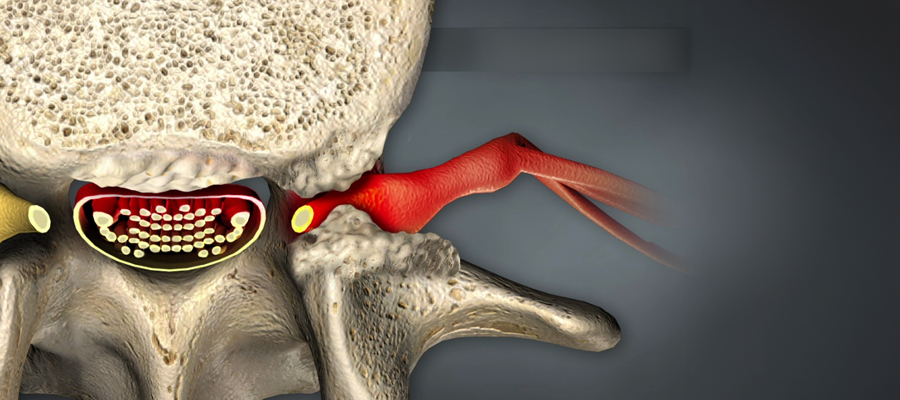
Spinal stenosis is a condition in which the nerve channels passing through the spine narrow due to aging, calcification, or genetic factors, putting pressure on the nerves. This condition, which manifests itself especially in advanced age with a shortening of walking distance and numbness in the legs, is a process that can be managed with modern neurosurgical techniques.
What is Spinal Stenosis?
Spinal stenosis is the narrowing of the space that houses the spinal cord and nerve roots. This narrowing is most commonly seen in the lumbar and cervical regions. The narrowed canal increases mechanical pressure on the nerves, causing neurological symptoms to appear.
Causes and Risk Factors of Canal Narrowing
The most common cause is degenerative changes in the spine, i.e., osteoarthritis. Loss of height in the discs between the vertebrae, enlargement of the facet joints, and thickening of the ligamentum flavum are the main factors that narrow the canal.
Symptoms of Spinal Canal Stenosis in the Lower Back and Neck
Patients with lumbar stenosis often complain of numbness in the legs and the need to stop after walking a certain distance, known as “window shopping disease.” In cervical stenosis, decreased hand dexterity and walking imbalance (myopathy) are prominent.
Spinal Stenosis Surgical Methods
The primary goal of surgical treatment is to relieve pressure on compressed nerves (decompression) and maintain spinal stability.
Decompression (Nerve Relief) and Microsurgery
Today, the “unilateral approach with bilateral decompression using microsurgery” technique is the method that causes the least damage to tissue. Under a microscope, narrowings in bone and connective tissue are cleared to relieve nerve roots.
Spinal Fusion (Screw and Plate Application)
If the narrowing of the canal is accompanied by spinal slippage (spondylolisthesis) or severe instability, in addition to decompression, screw and rod systems, commonly referred to as “platinum,” are applied to stabilize the spine.
| Treatment Method | Surgical Purpose | Hospital Stay | Return to Activity |
| Decompression Only | Nerve Relief | 1 Day | 1-2 weeks |
| Fusion (Screw/Plate) | Stabilization + Relaxation | 2-3 Days | 4-6 Weeks |
Recommendations from Prof. Dr. Erdinç Özek
“My patients with spinal stenosis are often very apprehensive about surgery, especially ‘screw placement’. However, with modern techniques, not every patient requires screw placement. The important thing is to intervene before nerve damage becomes permanent. If your walking distance has dropped below 100 meters, you should discuss surgical options in detail with your specialist.”
Clinical Experiences and Case Example
Anonymous Case Analysis: A 68-year-old male patient presented with severe pain in both legs and the need to sit down after walking 50 meters. An MRI revealed severe stenosis at the L3-L4 and L4-L5 levels. The patient underwent decompression via microsurgery. The patient was able to walk 6 hours after the operation, which did not require the use of screws. One month after the surgery, the patient’s walking distance had increased to 1 kilometer, and neurological symptoms had decreased by 80%.
Frequently Asked Questions
Does walking distance improve after spinal stenosis surgery?
Since surgical intervention relieves pressure on the nerves, the walking distance and numbness complaints in the legs improve significantly in the vast majority of patients after the operation.
Is the placement of a screw (plate) mandatory for every patient?
A screw is not required in every case of spinal stenosis; it is only applied to provide stabilization in patients with spinal displacement or those at risk of bone structure imbalance during surgery.
What risks might I face if I do not undergo surgery?
Untreated severe stenosis can lead to serious neurological damage, such as permanent loss of strength in the legs, urinary and fecal incontinence, and permanent walking disability.
How long does the recovery process take after surgery?
In decompression procedures performed with microsurgery, patients are usually discharged the next day and can return to desk work or light daily activities within 2-3 weeks.
At what age can stenosis surgery be performed?
Spinal stenosis is common in older adults; it is a procedure that can be safely performed in older age as long as the patient’s chronic conditions are under control and they can tolerate anesthesia.
Does physical therapy completely cure spinal stenosis?
Physical therapy can alleviate pain by strengthening muscles, but it cannot structurally reverse mechanical narrowing caused by thickening of bone and connective tissue.
Scientific References
Spine Journal: Long-term results of surgical vs non-surgical treatment for lumbar spinal stenosis. https://www.thespinejournalonline.com
The Lancet: Degenerative lumbar spinal stenosis: a clinical review. https://www.thelancet.com
PubMed (NIH): Decompression alone versus decompression with fusion in spinal stenosis. https://pubmed.ncbi.nlm.nih.gov